UltraClear anti-ageing solution
Loading article...
-
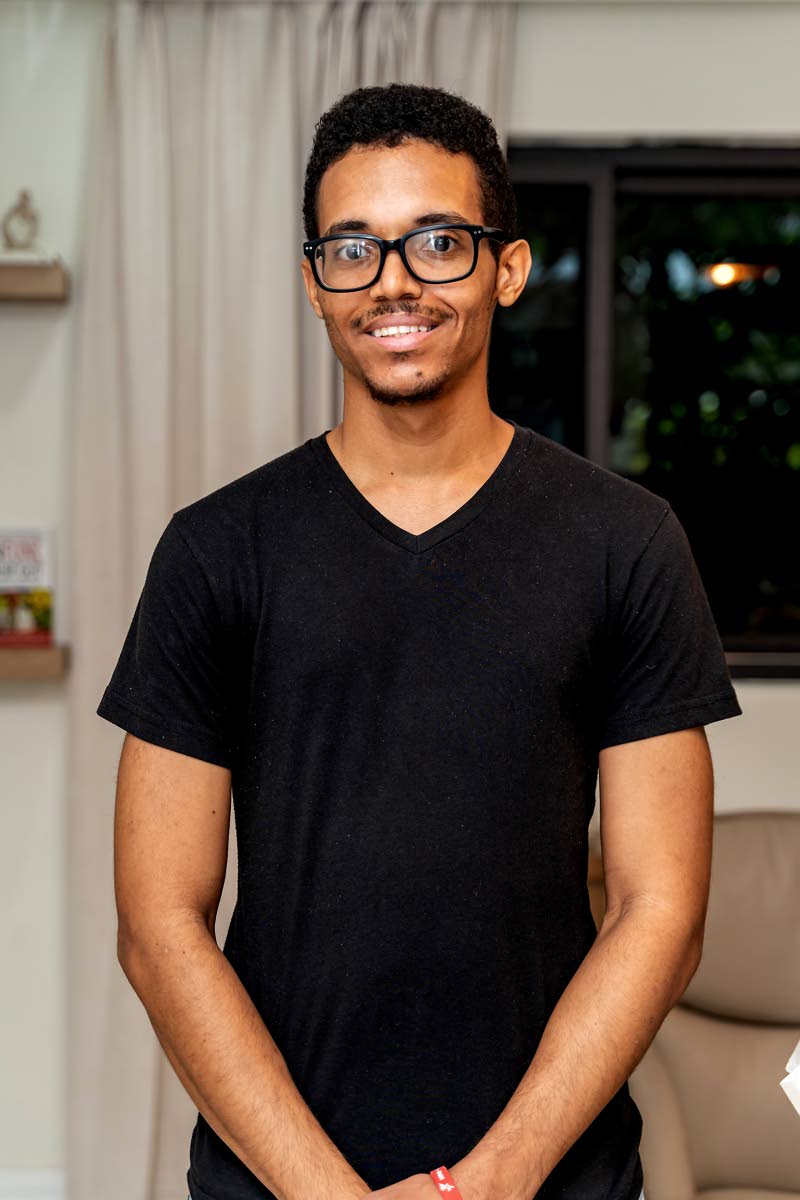
Martin Neil, patient who underwent the UltraCare treatment
-
 Carlos Gubbins, director for UltraClear in Latin America and the Caribbean
In Jamaica and across the Caribbean, demand for advanced aesthetic treatments continues to rise as more people seek safe, effective, non-surgical options for maintaining healthy, youthful skin.
At Future Medicine and Aesthetics, the introduction of the UltraClear Laser represents a major step forward in modern skin rejuvenation, combining science, technology, and medical expertise to deliver visible results with minimal downtime.
UltraClear is a next-generation, fractional cold-fibre laser designed to improve skin tone, texture, pigmentation, and early signs of ageing. Unlike traditional resurfacing lasers that rely heavily on heat, UltraClear uses a gentler technology that allows patients to experience effective skin renewal with significantly less discomfort and recovery time.
Dr Marcus Lee explains that the technology is transforming how patients approach anti-ageing treatments.
“UltraClear gives us the ability to resurface and rejuvenate the skin in a controlled and highly customised way. We can treat pigmentation, fine lines, acne scars, enlarged pores, and overall skin texture with minimal downtime, which makes it ideal for busy professionals and patients who want results without extended recovery,” he said.
UltraClear works by delivering controlled micro-beams of laser energy into the skin to stimulate collagen production and accelerate cell renewal. The treatment triggers the body’s natural healing response, replacing damaged skin with fresh, healthier tissue.
Dr Mariesha Terrelonge Lee notes that collagen stimulation is key to long-term skin health.
“As we age, collagen production declines, which leads to wrinkles, sagging, and dullness. UltraClear reactivates the skin’s natural regenerative processes, helping patients restore firmness, brightness, and overall skin quality,” she said.
Carlos Gubbins, director for UltraClear in Latin America and the Caribbean, emphasises the technology’s growing regional popularity.
“We are seeing strong adoption across the Caribbean because patients want treatments that are effective, safe for darker skin tones, and require little downtime. UltraClear was designed with inclusivity and safety in mind,” he said.
Before the procedure, patients undergo a consultation where their skin concerns, medical history, and treatment goals are evaluated. A personalised treatment plan is then created. Patients are typically advised to avoid sun exposure before treatment, discontinue certain skincare products such as retinoids, and arrive with clean, makeup-free skin.
The procedure itself usually takes between 20 and 45 minutes, depending on the treatment area.
One of the most common questions patients ask is whether the treatment hurts. According to Dr Terrelonge Lee, discomfort is minimal.
“Most patients describe the sensation as a mild warming or tingling feeling. We apply a topical numbing cream beforehand to ensure comfort throughout the procedure,” she said.
Recovery is significantly faster than traditional resurfacing lasers. Patients may experience mild redness, warmth, or slight swelling for 24 to 48 hours. Within days, the skin begins to look brighter and smoother. Full results develop over several weeks as collagen production increases.
Martin Neil, a patient who underwent the treatment, shared his experience.
“I noticed my skin looked fresher within days, but the biggest difference came after a few weeks. My pores looked smaller, my skin tone was more even, and people kept asking if I had changed my skincare routine,” he said.
Treatment frequency depends on individual goals. For maintenance, every four to six months; and for more intensive correction, a series of three to four treatments spaced four weeks apart.
“This is not a one-size-fits-all treatment. Some patients want preventative care, while others want to address pigmentation or acne scarring. The beauty of UltraClear is that it can be tailored to both,” Dr Marcus Lee said.
Skin health concerns are increasingly common in the region due to intense UV exposure and lifestyle factors. Sun damage, hyperpigmentation, acne scarring, and uneven skin tone are among the most common issues treated in aesthetic clinics.
With rising awareness of preventative skincare and advances in medical technology, more Caribbean patients are seeking treatments that support both appearance and long-term skin health.
Dr Terrelonge Lee believes the shift reflects a broader wellness movement.
“Patients are no longer waiting until signs of ageing become severe. They want preventative, science-based treatments that keep their skin healthy and confident at every stage of life,” she said.
UltraClear represents the future of aesthetic medicine in the Caribbean, where technology meets personalised care and results look natural, not overdone. “Our goal is simple: healthy skin, confident patients, and treatments that enhance natural beauty rather than change it,” he said.
keisha.hill@gleanerjm.com