Yaakov Raskin | What the World Cup can teach us about taking a day of rest
Loading article...
Over the past few weeks, more than half the world’s population has tuned in to the FIFA World Cup, the most watched sporting event on earth. For a few weeks every four years, people from every country set aside their differences and celebrate something they all share. What draws me in is how unpredictable it is – a team favoured to win can dominate one match and lose the next to a clear underdog.
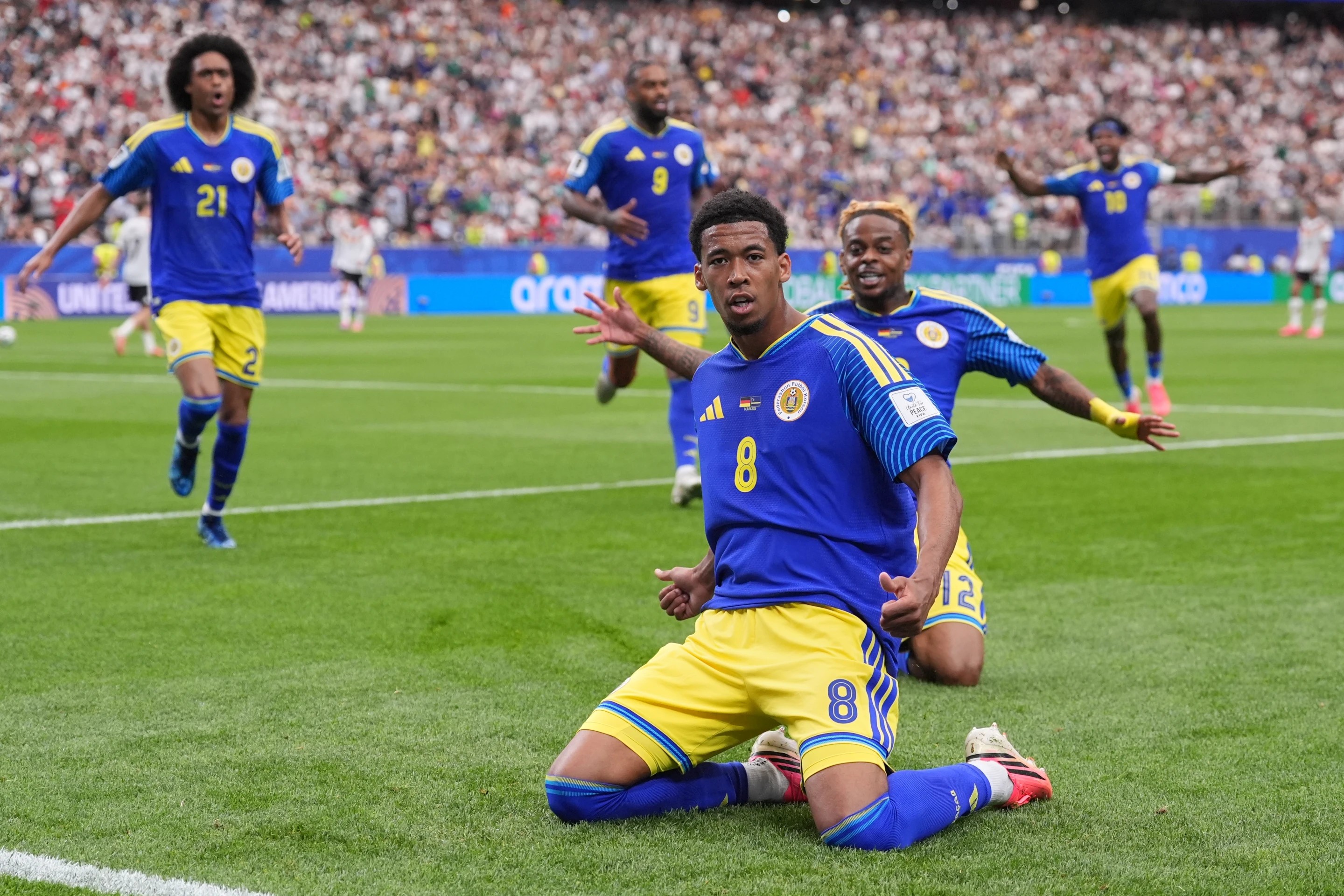
This past week gave us a good example. A match between Curaçao and Ecuador ended 0-0, a draw. The newspaper headlines called it a miracle. I don’t know much about the technical side of football, so my reaction was: How could a match where neither team scored any points be of any importance? It turns out the final score tells only a fraction of the story.
Early in the tournament, a draw doesn’t equal a loss. It actually means that both teams can move a step closer to the next round. With a population of about 158,000, Curaçao is the smallest nation ever to compete in a World Cup. For them, going up against the heavily-favoured South American country, the zero-zero draw was just as good as a win.
On top of that, the final score didn’t mean that nothing happened in the game. Behind that zero-zero was some of the best goalkeeping in World Cup history. Curaçao’s goalkeeper, Eloy Room, turned away shot after shot and finished with 15 saves, one short of the all-time World Cup record. This dazzling performance kept the small Caribbean nation’s dream alive that they could advance and maybe even take home the trophy.
That miraculous game, and the story hidden inside it, contains many parallels with a practice that I and nearly 16 million Jews around the world observe every week: Shabbat.
The Jewish day of rest, Shabbat takes place from sundown Friday through nightfall Saturday.
Jamaica is home to a large Seventh-day Adventist community that keeps its own Sabbath on the same day. For Jews, the practice goes back to the opening chapters of the Torah: G-d created the world in six days and rested on the seventh. Jews emulate that divine rhythm by refraining from “work” on the Sabbath. Work is defined as our job, as well as 39 categories of “creative work” such as farming or using electricity, which I will dive deeper into in a future article. So, how exactly does Shabbat relate to the recent World Cup match?
First — the zero-zero score. Just like the draw moved Curaçao one step closer to the next round without scoring any points, when a Jew takes a day of rest, it doesn’t mean nothing has happened. The Lubavitcher Rebbe, Rabbi Menachem Mendel Schneerson, often shared a Chassidic teaching that Shabbat is the source of blessing for the other six days. Taking a full day where no work is done isn’t viewed as a loss or a day where we fall behind, instead the day itself is a win.
Second — Just as the scoreless match was still full of attempted shots, blocked crosses and last-second tackles, Shabbat is a full day full with its own rituals and practices. These include sharing a meal with family and friends on Friday night and Saturday afternoon. We light candles before sunset and say blessings over wine and challah, braided bread eaten on Shabbat. These observances are integral to Shabbat, with each one carrying its own meaning and spiritual significance.
Third — Football has a level of precision that makes the game work. If the ball crosses the line by even a millimeter, it’s out, no matter the circumstances. Everything from the ball’s circumference, weight, and air pressure are regulated within a narrow range. Shabbat works much the same. For instance, there are three prayer services that we recite at specific times, facing east toward Jerusalem, and using specific prayers laid out in our prayer book (siddur).
Every detail of how we observe Shabbat has precision, down to the smallest detail.
Finally – When the match is over, at the final whistle, players from both the winning and losing teams shake hands as a sign of sportsmanship. Shabbat works on the same principle.
Regardless of what happened during the work week, when Shabbat arrives on Friday evening, we say the words ‘Shabbat Shalom’; (peaceful sabbath), sing Psalms of Praise and let what happened in the week go. This is like a handshake with G-d, saying thank you for everything that happened this past week, and refreshing us for the week ahead.
Over the past 400 years, keeping Shabbat has anchored Jamaica’s Jewish community. There is extensive documentation that Jewish merchants in the 17th and 18th centuries closed their shops on Saturdays, and Jewish men declined to take part in military drills or guard duty on the Sabbath. Shabbat was a holy day reserved for G-d, family, community, and tradition.
This summer, Chabad will be hosting Shabbat dinners in cities across Jamaica. In the month of July, we will be having Shabbat in Montego Bay, Kingston, Ocho Rios, and Negril. There will be warm people, meaningful prayers, delicious food, and unforgettable memories. Reach out if you’d like to join us at one near you.
For all the readers who have made it this far, find time this week to step away from your phone, your inbox and your to-do list. Sit down for a meal with people you care about without distractions and with clear intentions. Try choosing – for even just a few hours – to stop, focus on what’s important, and thank G-d for the blessings in our lives. See what miracles unfold in the week ahead.