Horace D. Ward | Bedward was never the joke
Loading article...
-
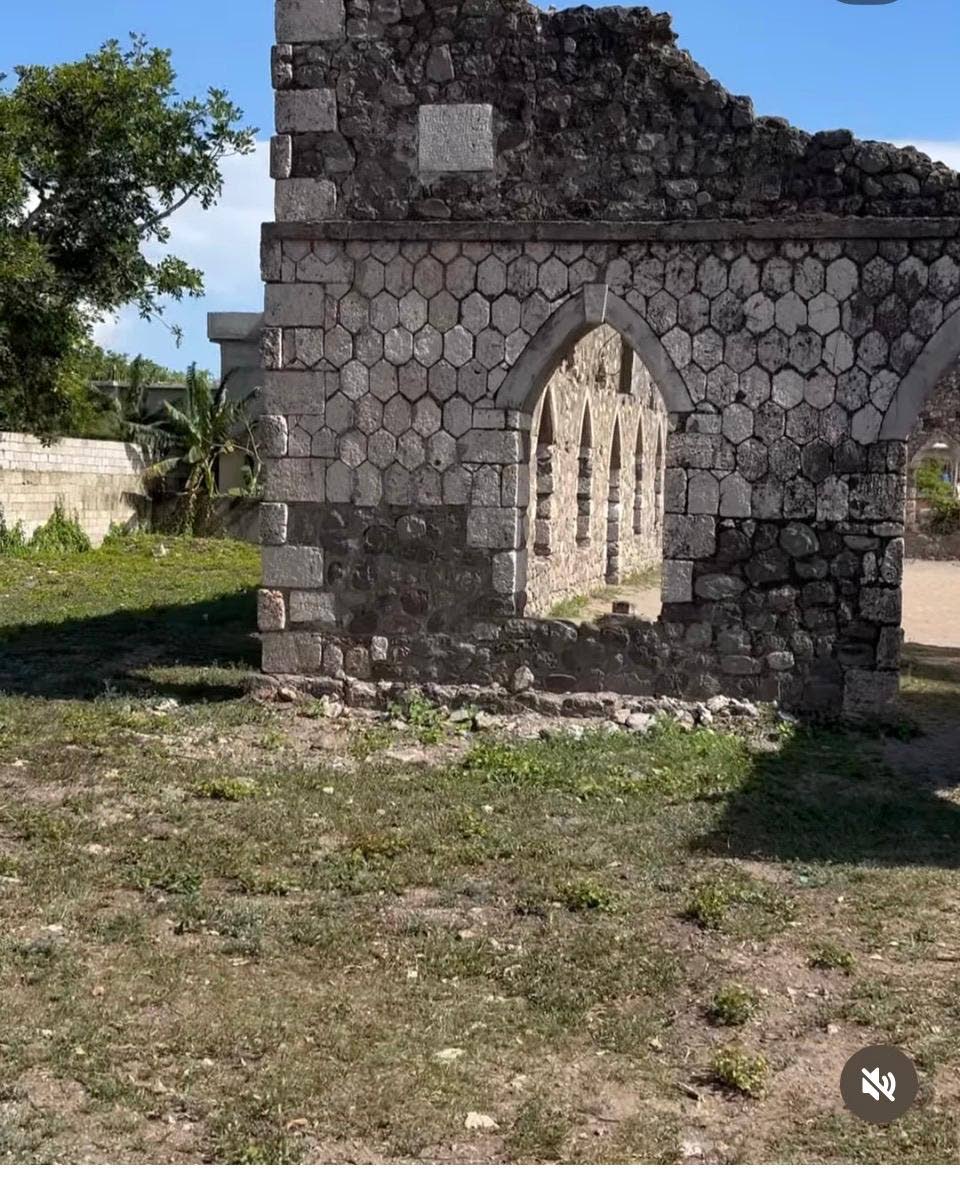 By 1894, Bedward’s church had a temple on the Hope River. Photo - Contributed
-
By 1894, Bedward’s church had a temple on the Hope River. Photo - Contributed
-
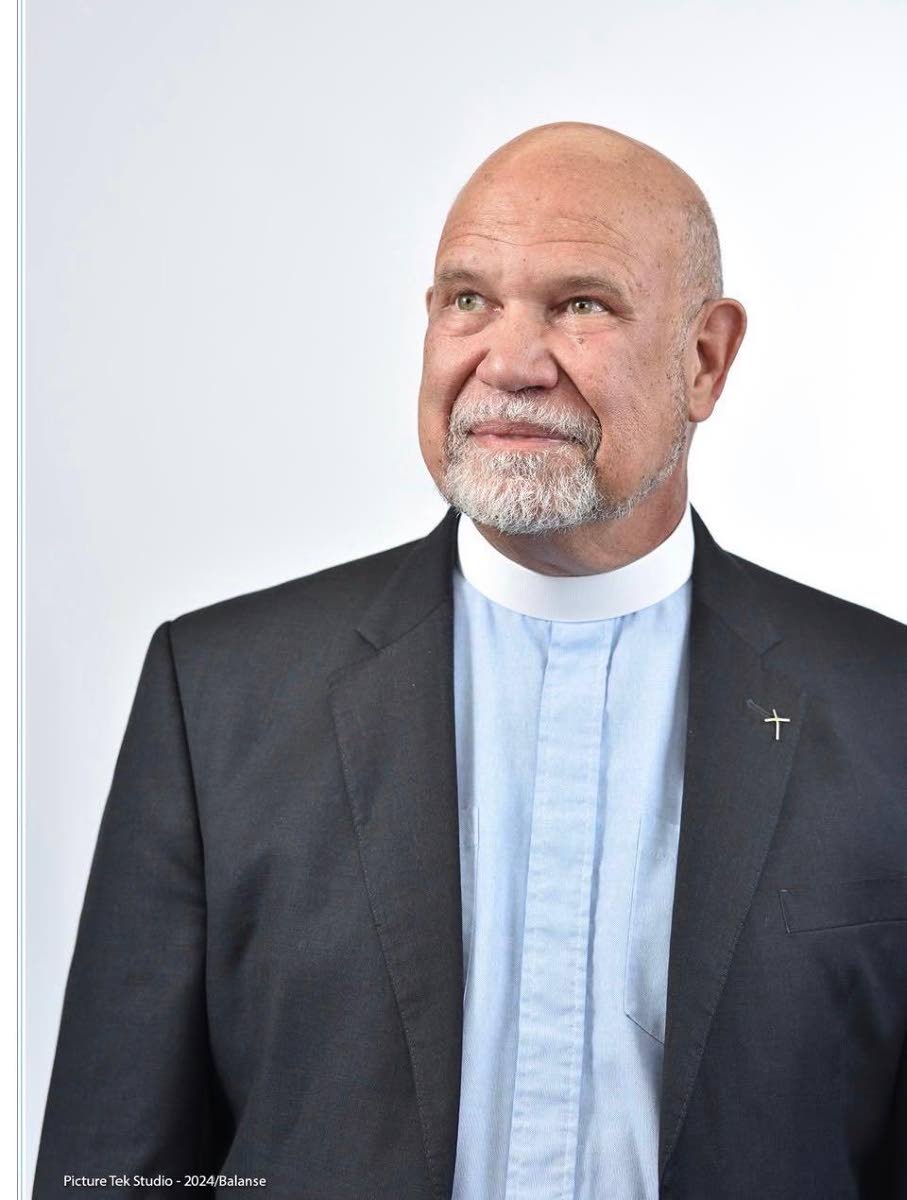 Rev. Horace D. Ward. Photo - Contributed
-
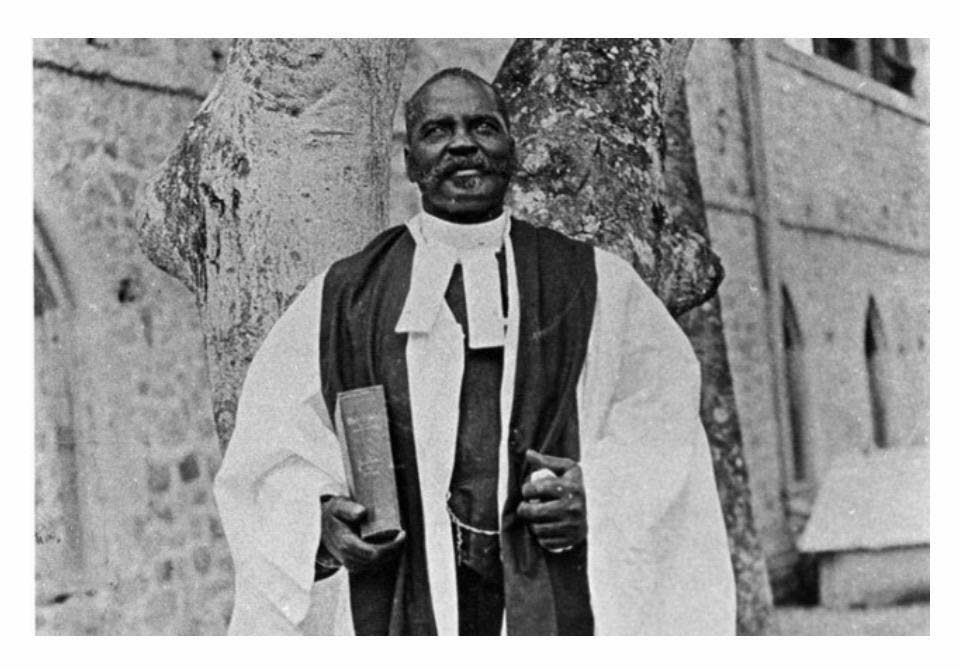 Alexander Bedward. Photo - Contributed
Ask most Jamaicans about Alexander Bedward and you will get a smile, then the story of the man who tried to fly to heaven. That reflex is a colonial inheritance, and it has cost us a national teacher.
Bedward did announce that he would ascend to heaven on December 31, 1920. When it did not happen, the authorities committed him to Bellevue, where he died in 1930. What the evidence does not support is a physical attempt to fly. The Jamaica Observer noted in 2021 that no record of one exists, and that the flying stories emerged only after his death.
The fullest scholarly account is Dave St Aubyn Gosse’s Alexander Bedward, the Prophet of August Town (UWI Press, 2022). Gosse argues that Bedward deserves recognition as one of the significant black nationalists of his era. A 2025 review in the New West Indian Guide reports up to 36,000 followers at home and abroad, and says the colonial state feared his popularity among the poor, which “caused fear of another major riot or rebellion”. Veront Satchell reads Bedwardism as a political movement in religious form, and Robert Hill’s research traces how Bedwardites such as Robert Hinds and Leonard Howell carried his millenarianism into Rastafari.
The establishment’s verdict
To see why Bedward was ridiculed, look at who judged him. Enos Nuttall, bishop of Jamaica and later first archbishop of the West Indies, was no villain. The Anglican diocese credits him with advancing education and social welfare for the black majority, and The Gleaner’s editor H. G. de Lisser called him “the strongest man in the Colony”. Gosse reports that Nuttall issued no formal denunciation and expected what he saw as fanatical superstition to run its course. A Gleaner history, by contrast, records that he led a march in Kingston against Bedwardism.
The lesson is uncomfortable and useful. Men of real service to Jamaica, who built schools and clinics, still misread a movement that was organising the poor on their own terms. They saw a passing fad. Its followers built a stone church, and its message outlived the colonial order.
Four lessons for today
First, build institutions, and build them proud.
By 1894, Bedward’s church had a temple on the Hope River. The Gleaner has recorded that poor, unskilled members raised a cut-stone church he called “the finest structure in the western hemisphere”, and that it gave them self-esteem and pride. Community-owned assets and confidence that poor people can build excellent things remain the foundation of national development.
Second, know your worth. The Paris Review traces his outlook partly to Panama, where white workers were paid in gold and black workers in silver for the same labour. Gosse’s publisher credits him with affirming Africa, its culture and traditions, and laying groundwork for Garveyism and Rastafari. Jamaica still has to decide whether it values what is its own.
Third, guard due process and the dignity of the mind.
Gosse shows that colonial lunacy and vagrancy laws were devised partly in response to Bedwardism. The New West Indian Guide review adds that, in his second trial, he faced an insanity charge and was prevented from defending himself. A society is measured by how it treats those it finds hard to understand. Bedward’s case argues for fair trials, transparent mental health procedures and care that never doubles as punishment.
Fourth, complexity is not disqualification.
The Gleaner called him a complex folk hero in 2024. His prophecies were bold, and his rhetoric fierce. But Jamaica has always honoured its heroes in their full complexity, and recognition means telling the whole story.
What now?
Teach Gosse, Satchell and Hill in our schools and colleges. Ask the Jamaica National Heritage Trust and the Government for formal, lasting recognition. Let the diaspora carry the corrected story home, as Louis Marriott’s play Bedward did in Lauderhill, Florida this September.
Bedward’s real legacy is a people who built a church with their own hands, demanded fair treatment, and refused to be told who they were. That is a foundation for the Jamaica we are still building, and it deserves better than a punchline.
The Rev Horace D. Ward is a Jamaica-born priest ordained in the Diocese of Jamaica and The Cayman Islands, now retired in the Episcopal Church in Southeast Florida after serving at Holy Family Episcopal Church, Miami Gardens, Florida.