Western swimmers making waves despite limited pools, coaching gaps
Loading article...
-
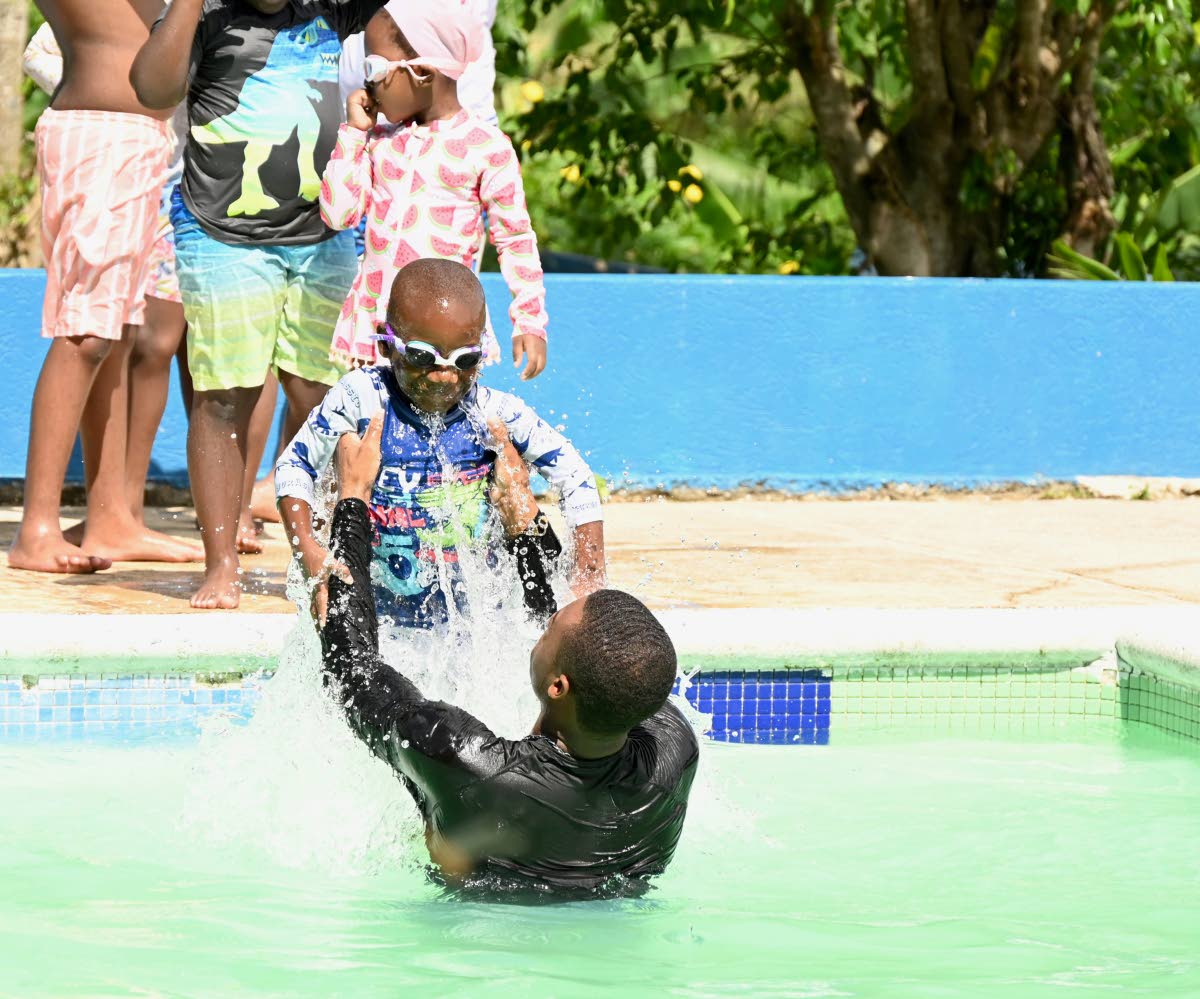 Four-year-old Jerome Harris practising swimming techniques with 18-year-old instructor Devaughn Esson at the SailFish Swim Academy in St James in March. Photo - Ashley Anguin/Photographer
-
Four-year-old Jerome Harris practising swimming techniques with 18-year-old instructor Devaughn Esson at the SailFish Swim Academy in St James in March. Photo - Ashley Anguin/Photographer
-
 Five-year-old Aliyana Lewis jumps into the pool during a swimming lesson with 18-year-old instructor Devaughn Esson at the SailFish Swim Academy in March. Photo - Ashley Anguin/Photographer
-
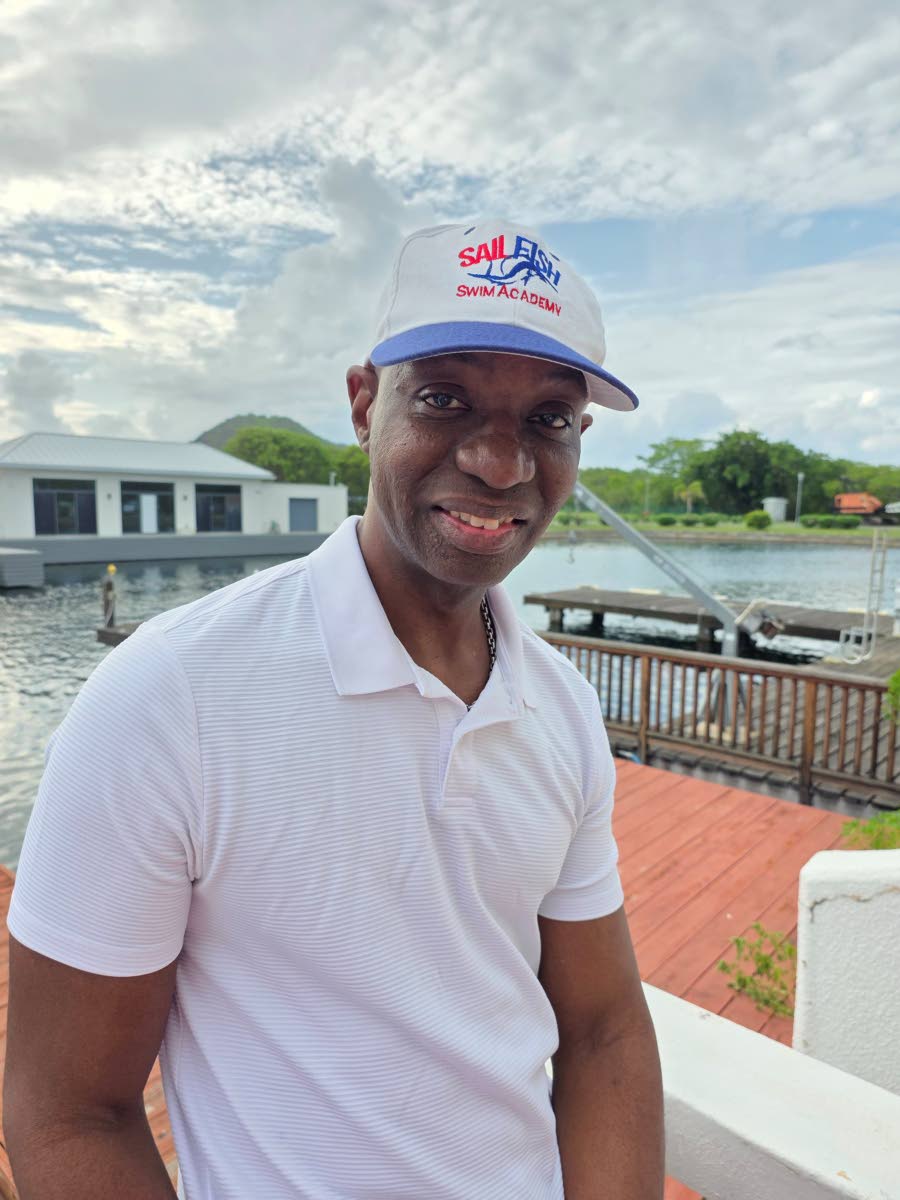 Paul Campbell, co-founder of SailFish Swim Academy. Photo - Contributed
-
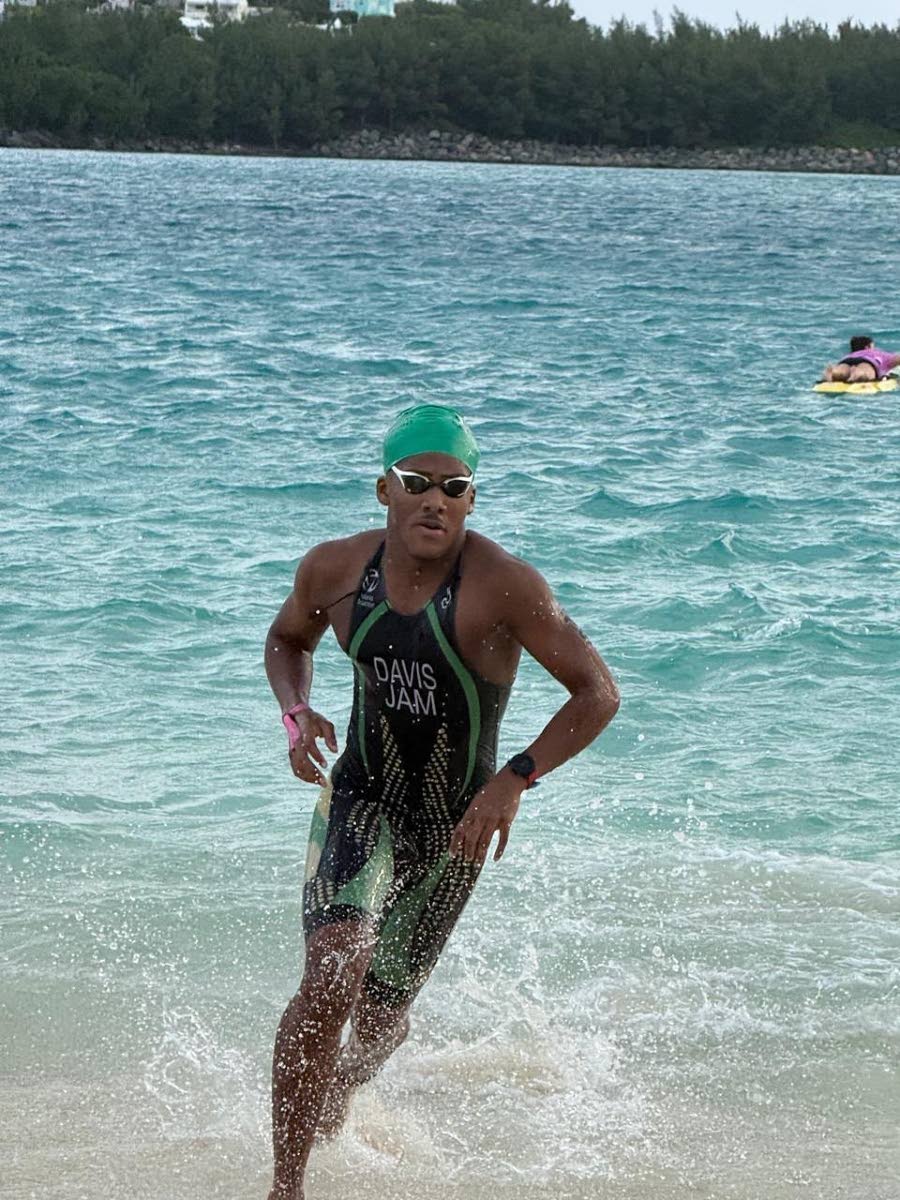 Ricardo Davis competing during the eighth Carifta Triathlon Aquathlon & Mixed Team Relay Championships last month in Bermuda. Photo - Contributed
-
 The 25-metre pool at the SailFish Swim Academy in St James. Photo - Ashley Anguin/Photographer
WESTERN BUREAU:
A shortage of qualified coaches and limited access to competition-standard facilities have not diminished the ambitions of western Jamaica’s swimming fraternity, which is determined to strengthen the region’s competitive programme and develop athletes capable of excelling at the highest levels of the sport.
The swimming fraternity says that while western Jamaica has made strides in competitive swimming, improving coaching resources and access to suitable facilities will be critical to taking the sport to the next level.
Paul Campbell, owner of SailFish Swim Academy, highlighted the difficulty of finding suitably qualified local instructors, explaining that the shortage has forced the institution to look overseas for coaches to train its swimmers.
“The issue is that most of the coaching talent in Jamaica resides in Kingston, and that was something that we found when we started the club. We wanted to focus on preparing the kids for competitive swimming, with the aim of representing the country,” said Campbell.
The academy, located at Wespow Park in Tucker, St James, was established in 2015 with a focus on developing competitive swimmers.
“We would get some coaches also out of Kingston, but the top coaches did not want to leave the comfort of their homes. So we got some coaches who understood how to teach swimming and competitive training, but were not at the cutting edge of competitive skill sets,” he explained to The Gleaner.
To strengthen its coaching programme, Campbell said the academy began looking overseas, having recruited at least five Cuban coaches over the years.
COSTLY ENDEAVOUR
Maintaining a competitive swimming programme in western Jamaica also comes with considerable financial demands. Campbell pointed to the cost of chemicals; equipment, including pumps valued at approximately $200,000; and work permits for overseas coaches.
Unlike some clubs in Kingston that may only have to cover facility fees, SailFish must also meet the costs associated with maintaining its pool and accommodating coaches.
The academy uses a 25-metre pool to provide swimmers with a suitable environment for competitive training.
Campbell explained that the pool is treated several times a week, with regular testing carried out to maintain appropriate chlorine levels and pH balance.
“Our pool technician treats the pool three times per week because of its daily usage. We have 10 to 20 children in our competitive group using the pool at any one time, so it is a very active part of our programme, but it is safe to swim in from a bacterial standpoint,” he said.
Proper supervision is also a key part of the academy’s operations, with coaches required to be either in the water or on deck during training sessions.
“Generally, we have one or several coaches in the water, depending on the number of children we have. We also have staff members on the deck to ensure that there is full coverage. I would say the greatest vulnerability is among children who are learning to swim, so we pay extremely close attention to them. We pride ourselves on, in the 11 years we have been in existence, we have never had one incident, and safety is rule number one,” Campbell said.
Among the swimmers benefiting from the academy’s programme are students from Montego Bay High, Cornwall College, Mount Alvernia High and Herbert Morrison Technical High, several of whom have competed at national level. Suraj Guwalani of Herbert Morrison Technical is the academy’s Open champion and a bronze medallist at the Carifta Swimming Championships.
SAFETY KEY
Meanwhile, Rosemarie Logan, owner and coach of Blue Marlin Swim Club, also stressed the importance of swimmers’ safety.
“The pools I use have Ministry of Health regulations that they have to comply with. The ministry conducts testing periodically. I also have a kit that I use to test the water whenever I visit. The thing that sometimes affects the water quality is heavy rainfall, but it is generally kept up,” said Logan.
However, limited access to competition-standard pools in western Jamaica has forced Logan to adapt her training methods by using open-water environments, including the sea and rivers.
“There are drawbacks to using the sea or the river, but there are advantages as well. You have to adapt to what is available so that the children can still train and be able to go to Kingston and compete in a 50-metre swimming pool,” she told The Gleaner.
While acknowledging the advantages of having a competition-standard pool closer to home, Logan believes that access to facilities and coaching alone will not determine a swimmer’s success.
“It would be lovely to still have a 25- or 50-metre pool here to train them, because that’s far easier and it would have a more ideal situation,” said Logan.
The planned development of the Montego Bay Sports Complex, branded The Hive, could also provide a boost to swimming in the region, with an Olympic-sized pool among the proposed amenities. The facility forms part of a wider vision to establish the complex as a premier destination for sports, fitness and wellness in western Jamaica.
However, Logan argued that discipline, commitment and parental support are equally important in helping young swimmers reach their potential.
“The parents and their children need to have the right attitude. If there is anything holding children back from making the Carifta team or the national team, it is not the facility; it is the attitude. There are people who want to achieve those goals, but they do not have the discipline and commitment to put in the time.
“If they do not come with the right attitude, you can take a horse to water, but you cannot force it to drink. That is the bottom line,” she added.
TASTE OF SUCCESS
Despite the limitations, Logan pointed to the achievements of swimmers who have progressed through the club’s programme, including those who have qualified for the Carifta Swimming Championships and gone on to secure scholarships.
Among them is Leanna Wainwright, a Montegonian who has earned a scholarship to study in Hungary.
Ricardo Davis, a past student of Cornwall College who began swimming at age four with ambitions of representing Jamaica, has also experienced first-hand the opportunities and challenges associated with pursuing the sport in western end of the island.
Davis, now a first-year law student at The University of the West Indies, Mona, said injuries during his teenage years disrupted his swimming development and nearly prompted him to walk away from the sport.
“I have been swimming for a long while, but when I was around 12 years old, I got a back injury and a knee injury back to back, and that set me back. After that, when I was recovering, I was a few milliseconds away from making a swimming team, and at that point I was ready to give up swimming for a while,” he said.
Davis, who is Jamaica’s 2025-2026 national triathlon champion, has already represented Jamaica on the regional and international stage, captaining the national team at the 2025 Carifta Triathlon and Aquathlon Championships in Trinidad and Tobago.
Reflecting on the importance of coaching in his development, Davis said losing his coach also left him struggling to maintain his training programme.
“For swimming, my swim coach ended up leaving Jamaica, and once he left, it was really hard to [regain] my bearings and [work out which training] sets I needed to do. I ended up asking him for some sets, and I would go to the pool or to the beach and do the sets myself.
“There are resources everywhere around you, such as there being free beaches out there where you can swim,” he added.
ashley.anguin@gleanerjm.com