Powerful films bring hidden stories of abuse into the open
Loading article...
-
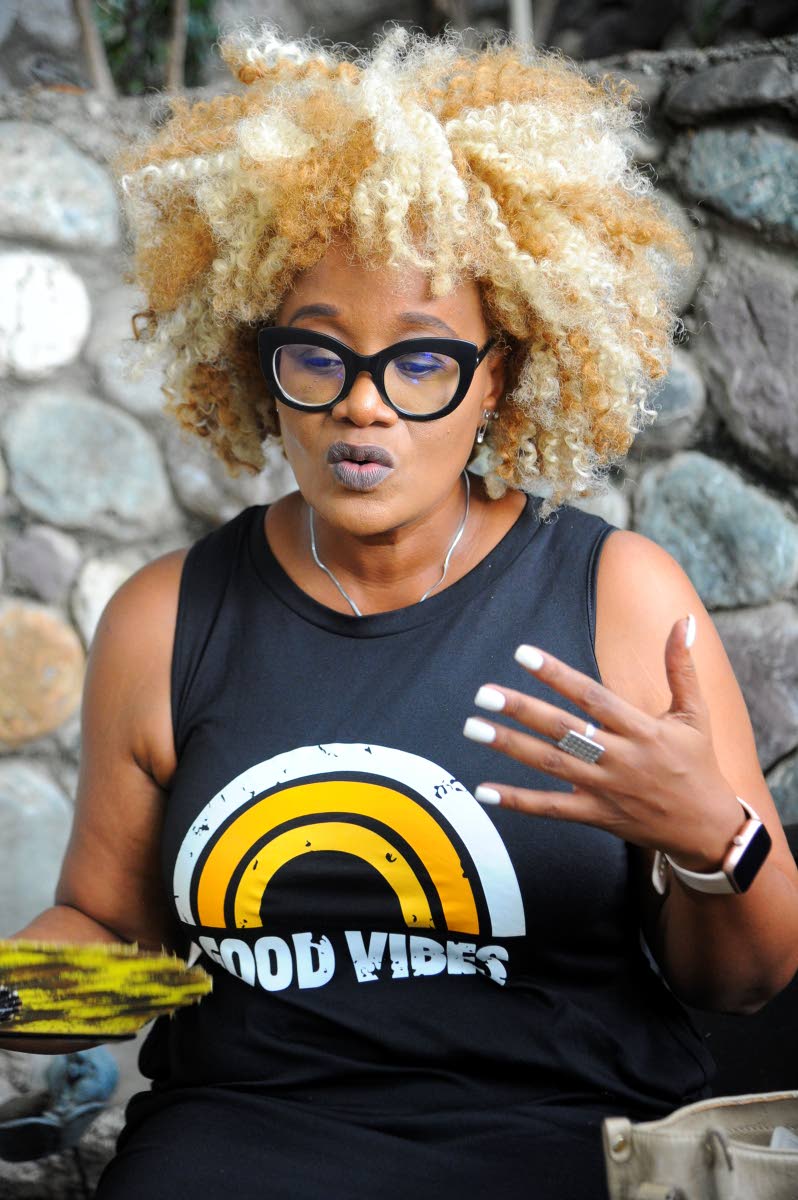 Nadean Rawlins. Photo - File
-
Nadean Rawlins. Photo - File
-
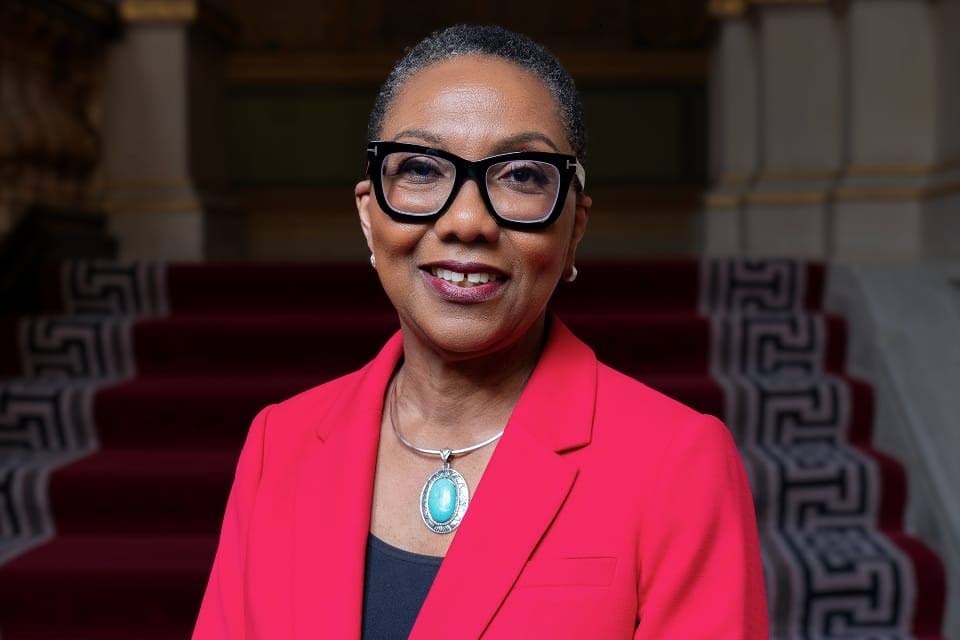 Alicia Herbert, British high commissioner to Jamaica. Photo - File
The evening breeze that swept across the Windrush Gardens at the British High Commission in New Kingston brought with it an eerie chill as the screams of abused women and young girls in four short films depicting violence against women and children carried across the lawns.
Guests at Wednesday’s launch of the UK-Jamaica International Coalition to End Violence Against Women and Girls watched sombrely, one woman pulling her partner’s arms tighter around her as the stories unfolded.
“Boom!” Another thud, followed by more screams, shouts of insults, and tales of shame and self-hatred.
“Statistics can tell us the magnitude of the problem, but storytelling allows us to connect with the human experience behind the stories,” Jamaican actress Nadean Rawlins said in an apt introduction to the videos, which marked the launch.
“Storytelling through film, regardless of the genre, is a powerful tool for social change, whether through documentary, drama, comedy and even horror. Film has the ability to challenge perspectives, confront uncomfortable truths, humanise experiences, and initiate conversations that we otherwise don’t want to have,” she continued, her words brought into sharp focus seconds later as the videos rolled.
The coalition brings together investors in women’s rights, researchers, technology and evidence-building partners, as well as other stakeholders in support of women’s empowerment. Its launch coincided with the International Day for the Elimination of Violence Against Women and the start of the annual 16 Days of Activism against Gender-Based Violence.
Among those attending were Culture and Gender Minister Olivia Grange and Juliet Cuthbert, minister of state in the Ministry of National Security and Peace. Members of the diplomatic corps, civil society, and the business, creative and arts communities were also present.
NEW SUPPORT PACKAGE
At the launch, British High Commissioner Alicia Herbert announced a new support package to strengthen Jamaica’s efforts to end violence against women and girls.
As part of the package, the United Kingdom will invest more than $100 million in the coming months to support women’s-rights organisations across the Caribbean through the Equity Fund, a global partnership backed by the UK and Canada.
The UK’s wider support includes a $16-million investment in partnership with the Caribbean Policy Research Institute to strengthen Jamaica’s evidence base on violence against women and girls. The research will examine the scale and causes of gender-based violence, as well as gaps in existing knowledge, to help inform policy.
“Violence against women and girls is not a private matter. It is a human rights issue, a security issue, a public health issue and an economic issue. Most importantly, it affects lives. It limits opportunities and prevents too many women and girls from living freely and safely,” Herbert said.
“We come together around an issue that affects far too many women and girls in every country, every community, and every walk of life ... . No country has solved this challenge, including the United Kingdom; we certainly have not. But we are determined to do more, and the UK tackling violence against women and girls is a major priority,” she continued.
Herbert said the UK was also investing $51 million through SheTrades Caribbean to support women-led businesses in accessing new markets, growing their businesses and creating opportunities. Similar support from the UK last year helped generate business opportunities across the Caribbean valued at $200 million.
BANISHING TABOO
Counsellors were on standby for Wednesday’s screening of the films, developed by the Jamaica Film and Television Association and the United Nations Children’s Fund. No one sought their services though the films pulled tears openly among the gathering.
Nonetheless, the films brought taboo subjects into the open, including sexual abuse by acquaintances, fathers sexually assaulting their daughters, and the guilt and shame many children carry into adulthood, along with the resentment and self-hatred that often follow.
Though fictional, the stories were relatable to many in the audience.
According to data from the Jamaica Constabulary Force, Jamaica recorded 307 rape cases, an 11.8 per cent decrease from the 348 cases reported during the corresponding period in 2025. Meanwhile, child protection agencies recorded approximately 2,737 incidents of child sexual abuse between January and October 2026.
Stakeholders believe the figures represent only a fraction of the problem, given the reluctance of many Jamaicans to speak out about abuse.
On Wednesday, Grange said her ministry was focused on delivering measurable, survivor-centred interventions for women and girls, with the vision of a Jamaica in which no woman or girl becomes a victim of gender-based violence.
“As part of the implementation of the National Strategic Action Plan to Eliminate Gender-Based Violence in Jamaica, the ministry, through the Bureau of Gender Affairs, coordinates a series of actions to tackle violence against women and girls. These actions are designed to challenge harmful gender norms and stereotypes and target intimate partner violence, sexual violence, discrimination and abuse, as well as toxic masculinity,” she said.
“My ministry has strengthened survivor response systems through seamless coordination of services, which include three 24-hour helplines for females and males that provide counselling, psychosocial support, safety planning and referral pathways that are accessible and coordinated,” she added.
corey.robinson@gleanerjm.com