Clash of the Off-Road Titans: The BAIC BJ40 Meets the Iconic Jeep Wrangler
Loading article...
-
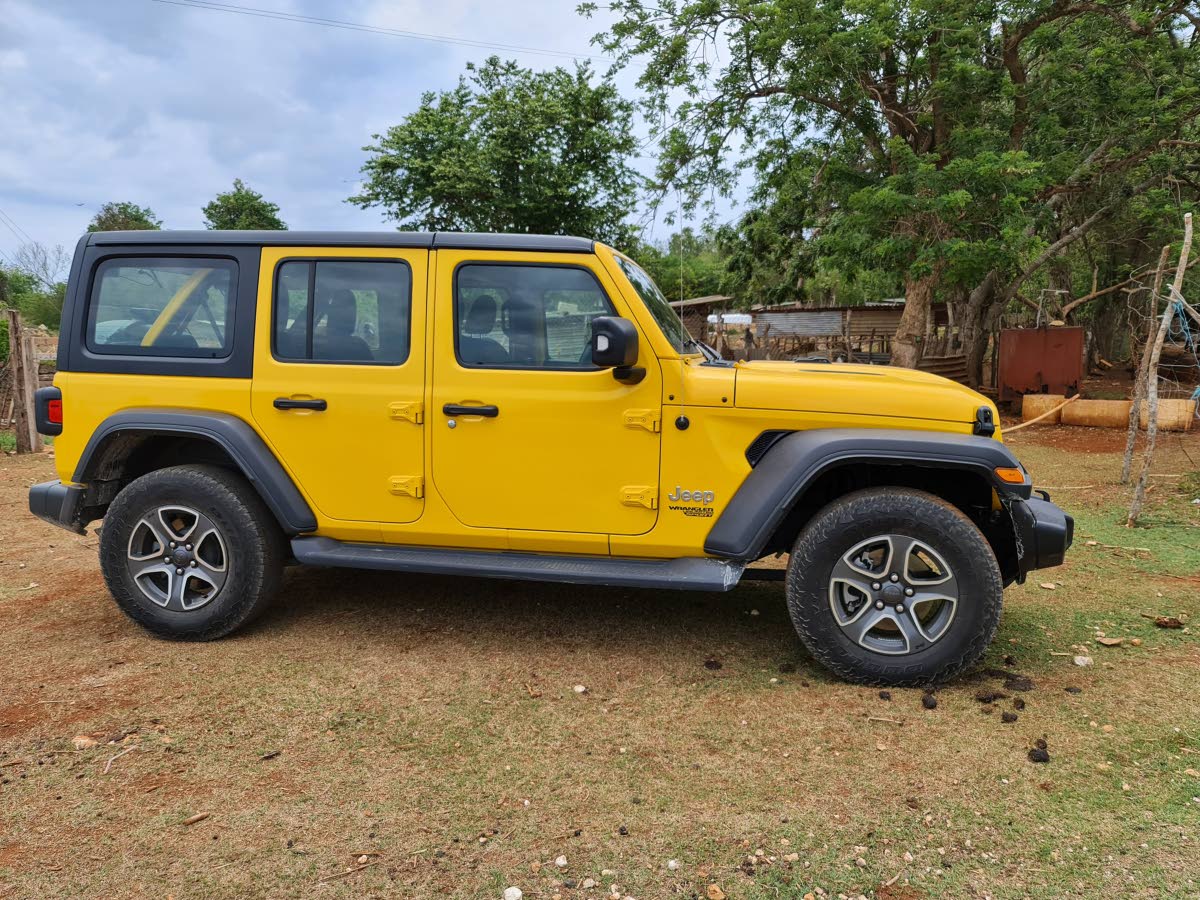 Jeep Wrangler.
-
 The Jeep Wrangler.
-
 The BJ40.
-
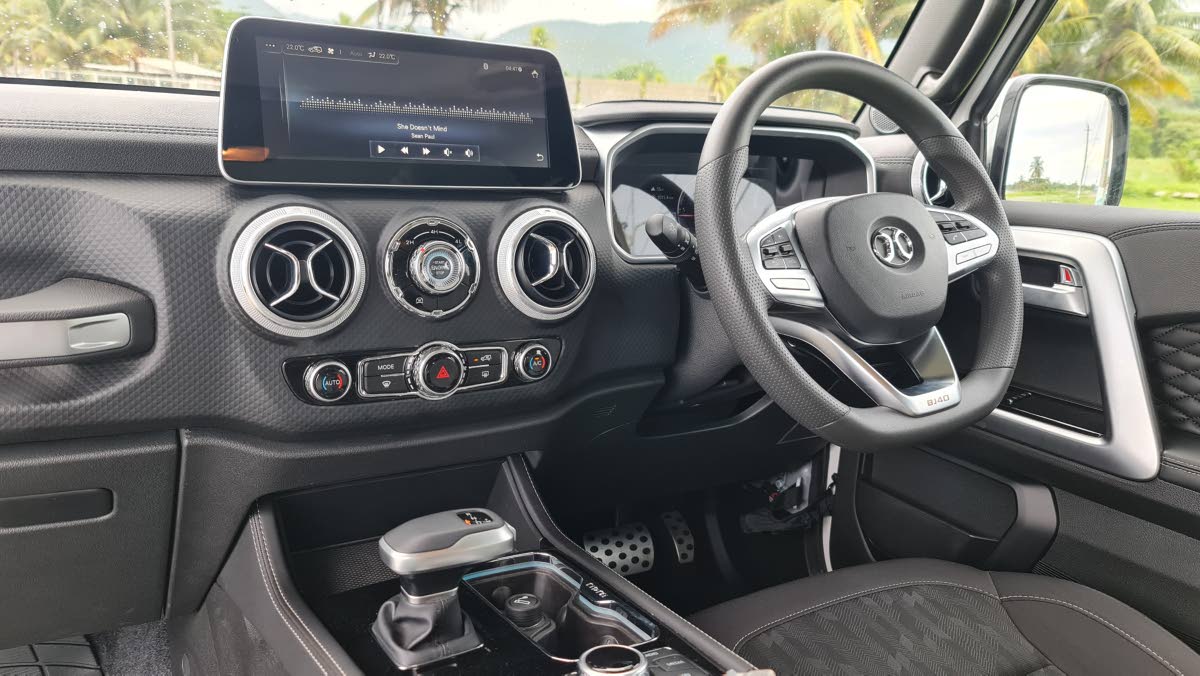 The of the interior BJ40.
One of the most talked-about matchups currently is the entry of the BAIC BJ40, a rugged contender from China, and its direct inspiration, the legendary Jeep Wrangler. Both vehicles are designed for the individual who views the weekend not as a time for rest but as an opportunity to conquer the Blue Mountains or navigate the rocky riverbeds of the interior.
A Legacy of Utility: History of the Vehicles
The Jeep Wrangler carries a heritage that is nearly unparalleled in the automotive world. Its roots trace back to the battlefields of World War II, where the original Willys MB proved that a compact, durable 4WD vehicle was essential for survival. Since the 1980s, the Wrangler has transitioned through four distinct generations, evolving from the YJ with its controversial square headlights to the current JL generation, which balances heritage with modern technology.
The BAIC BJ40, though a younger nameplate, follows a similar path of military-to-civilian transition. Developed by the Beijing Automotive Group, the BJ40 draws from the company’s history of building tactical vehicles for the Chinese military. Now in its first generation as a global civilian product, the BJ40 aims to provide that classic open-air, go-anywhere capability to a new demographic of adventure seekers.
Built for the Elements: Exterior Design
Visually, the BJ40 is unashamed of its influences. Its silhouette is a direct nod to the Wrangler though the front grille takes its cues from the heavy-duty aesthetic of a Hummer. The test unit, finished in a sharp Arctic White, highlights a boxy, muscular frame designed for utility. Key to its appeal are the removable roof panels and doors, and a windshield that can be lowered onto the bonnet — features that allow drivers to feel truly connected to the Jamaican landscape.
The Wrangler, specifically in the Unlimited Sport Edition, remains the gold standard of this aesthetic. Dressed in “Hella Yella” with a contrasting black hardtop, it is an undeniable head-turner. Like its rival, it can be stripped down using a Torx tool set in roughly 15 minutes. A thoughtful design choice on the Jeep involves the side mirrors being body-mounted, meaning that they remain functional even when the doors are removed – a critical safety feature for road legality in Kingston.
Cabin Comfort: Interior and Infotainment
Stepping into the BJ40 reveals an interior that feels unexpectedly refined. There is a clear attempt to blend ruggedness with luxury, featuring a dual-screen layout. A floating 10.25-inch touchscreen infotainment system is the centerpiece, supported by a digital gauge cluster. Connectivity is handled via USB and AUX inputs, while the rotary air-conditioning vents with silver accents provide a touch of sophistication reminiscent of European luxury brands.
The Wrangler takes a different approach, prioritising durability without sacrificing modern tech. The cabin features the Uconnect 7-inch touchscreen with Bluetooth and voice commands. Because Jeep anticipates that owners might get caught in a sudden tropical downpour with the top off, the interior utilises breathable fabrics and rubberised materials designed to dry quickly. The audio system is particularly clever, with eight speakers, including two embedded in the overhead roll bar, to ensure that music remains audible even when wind noise increases at highway speeds.
Practicality: Cargo Space
Both vehicles offer the utility expected of mid-size SUVs. The BAIC BJ40 provides a respectable 532 litres of cargo space with the rear seats up, which can expand significantly for those hauling camping gear or supplies. The Jeep Wrangler Unlimited offers a slightly larger standard capacity of 548 litres, growing to over 1,000 litres when the rear seats are folded flat. This marginal lead gives the Jeep a slight edge for those prioritising heavy packing for long expeditions.
The Driving Experience: Performance and Handling
Under the bonnet, both vehicles utilize 2.0-litre turbocharged powerplants, but they deliver their energy differently.
BAIC BJ40
Engine: 2.0L Turbo
Horsepower: 218hp
Torque: 320Nm
Fuel Tank: 75 Litres
Performance: Offers a peppy performance with four driving modes. In “Eco” mode, it navigates city traffic with efficiency, while “Comfort” mode softens the ride on uneven suburban roads.
Off-Road Ability: Features a 37-degree approach and 33-degree departure angle, supported by a limited-slip differential.
Jeep Wrangler
Engine: 2.0L Turbo
Horsepower: 270hp
Torque: 400Nm
Fuel Tank: 81 Litres
Performance: More aggressive power delivery though drivers must be mindful of body roll due to the traditional ladder-frame chassis.
Off-Road Ability: Utilises a traditional gear lever for the 4WD transfer case, emphasizing tactile control and decades of technical development.
In summary, the BAIC BJ40 offers a refined, feature-rich entry into the world of off-roading with a touch of luxury, while the Jeep Wrangler remains the uncompromising purist’s choice, deeply rooted in its heritage and rugged durability.