A First-Hand Analysis of the Beijing X55
Loading article...
-
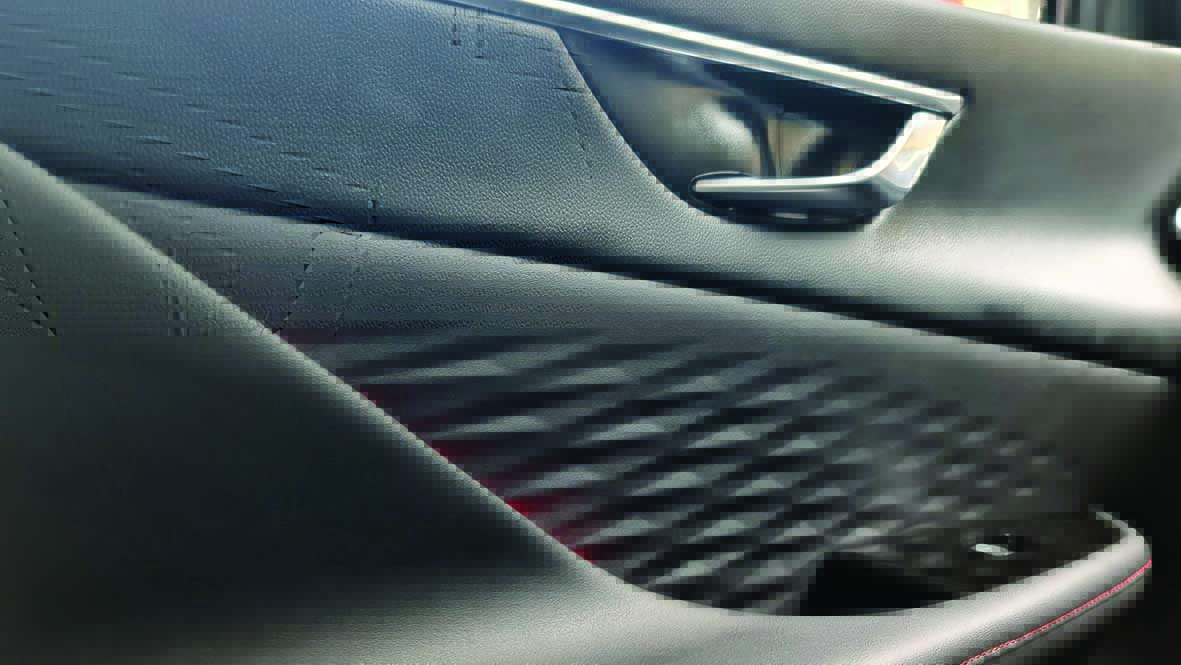
The inductive hidden door handles automatically extend outward when approaching the vehicle, reducing drag while offering a smooth entry sequence.
-
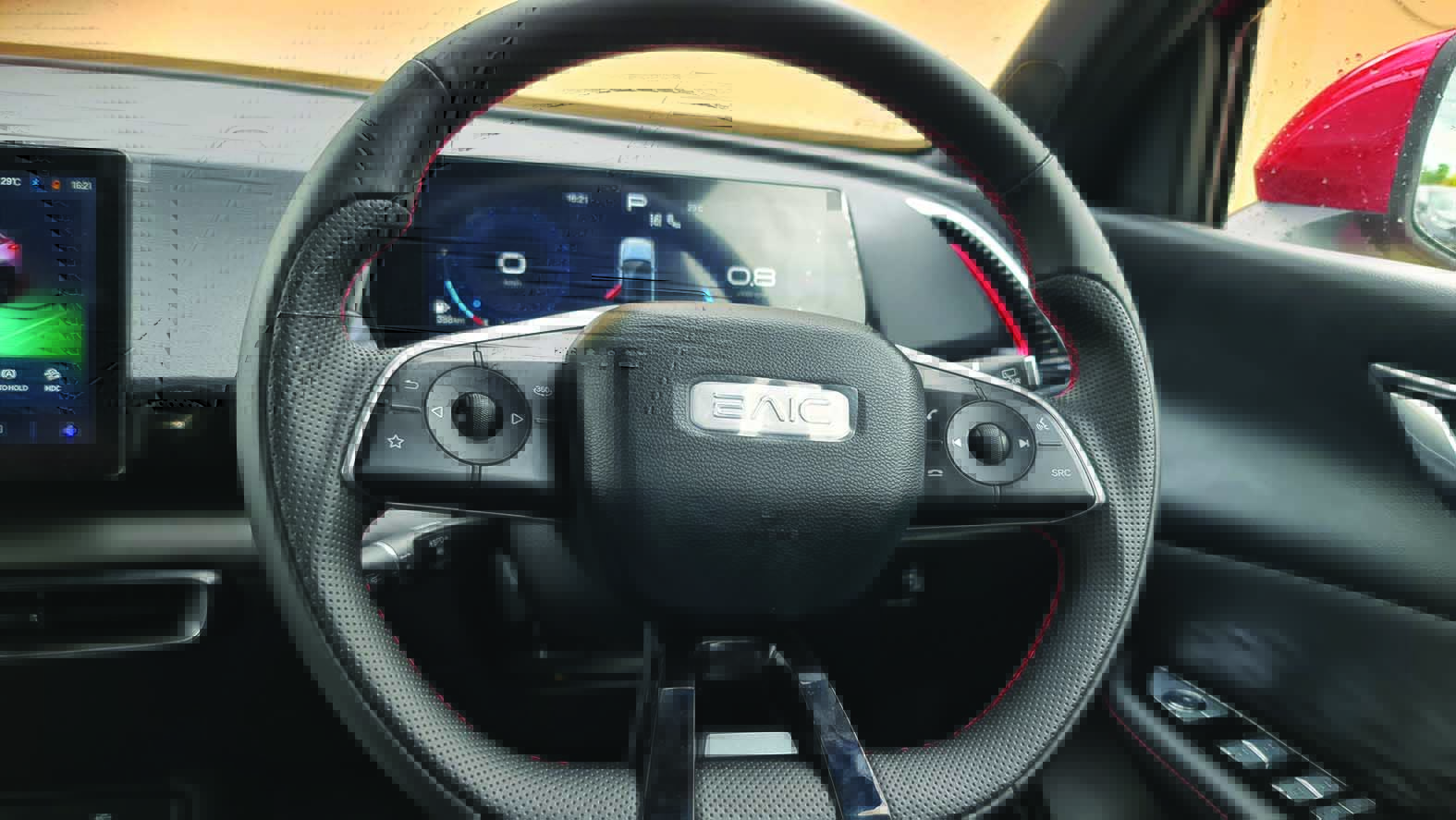
Directly behind the multi-function steering wheel sits a dedicated 10.25-inch digital cluster, giving the driver a clear view of real-time performance and system data.
-
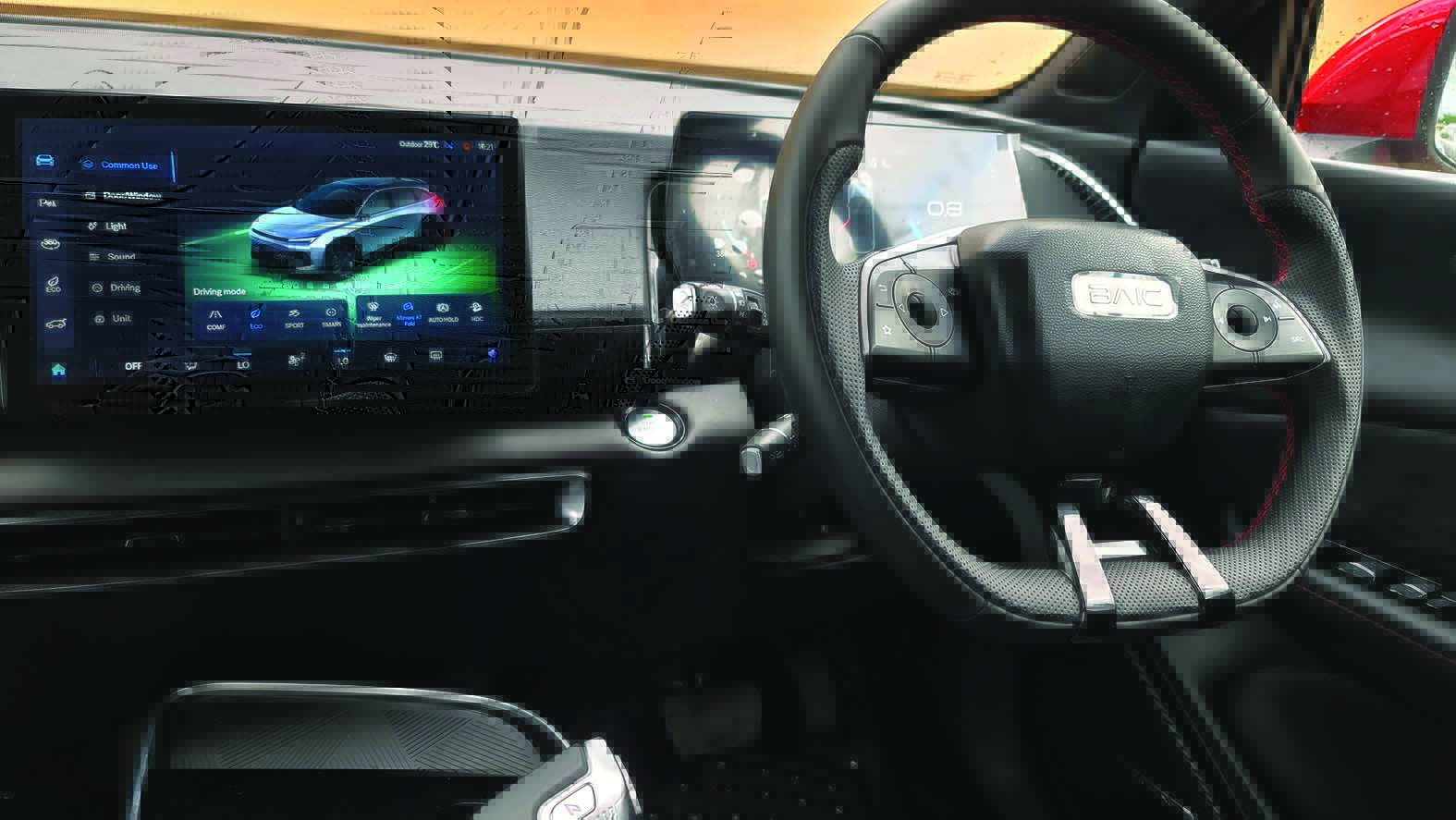
The primary interface relies on a crisp, centrally positioned 10.1-inch touchscreen display that controls the vehicle's updated cabin software and entertainment settings.
-
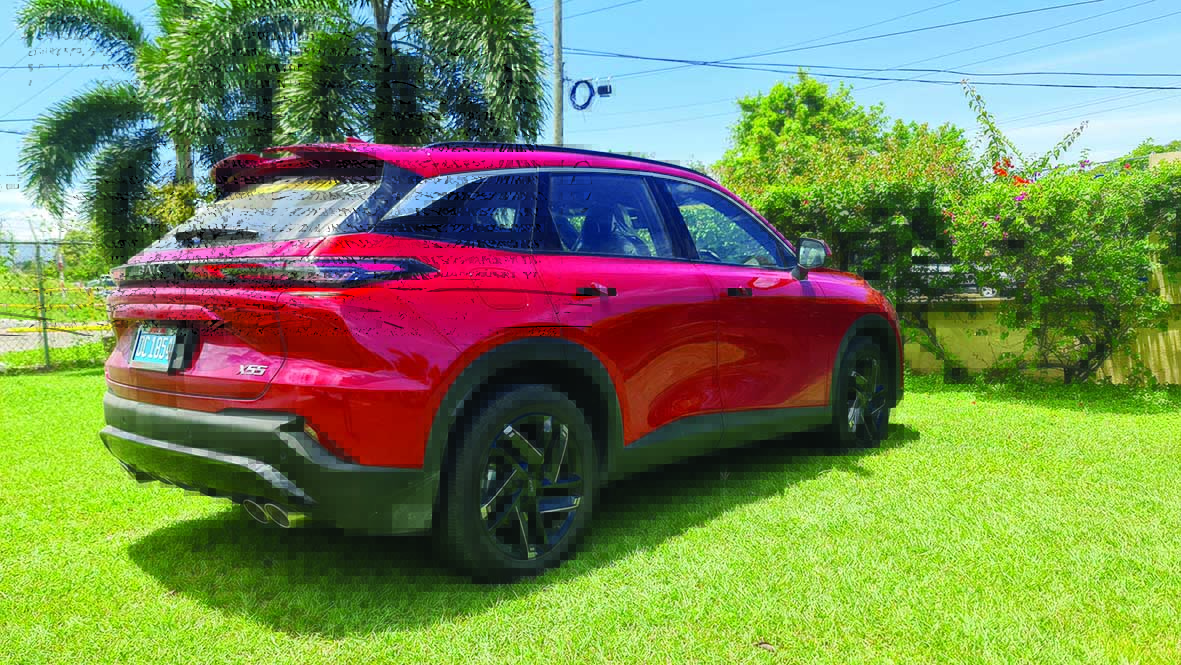
An integrated LED light bar stretches completely across the rear, positioned beneath a prominent split-spoiler assembly that manages highway airflow.
-
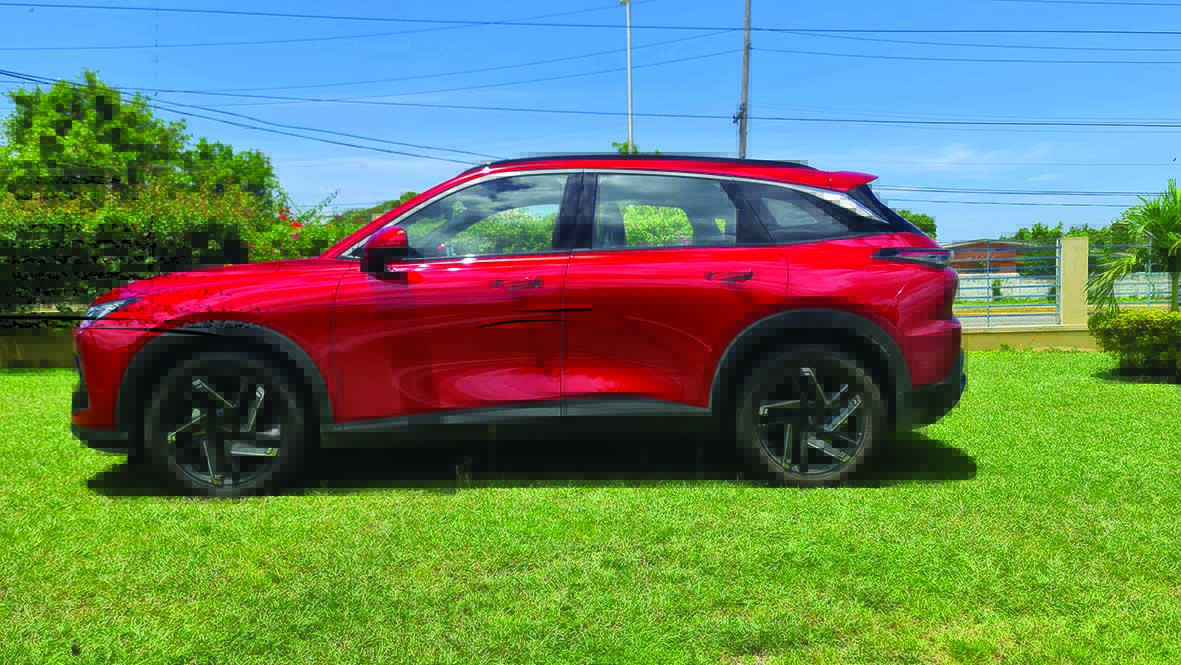
Pronounced character lines sweep along the side profile, drawing a clean path toward the flush-fitting aerodynamic door handles.
-
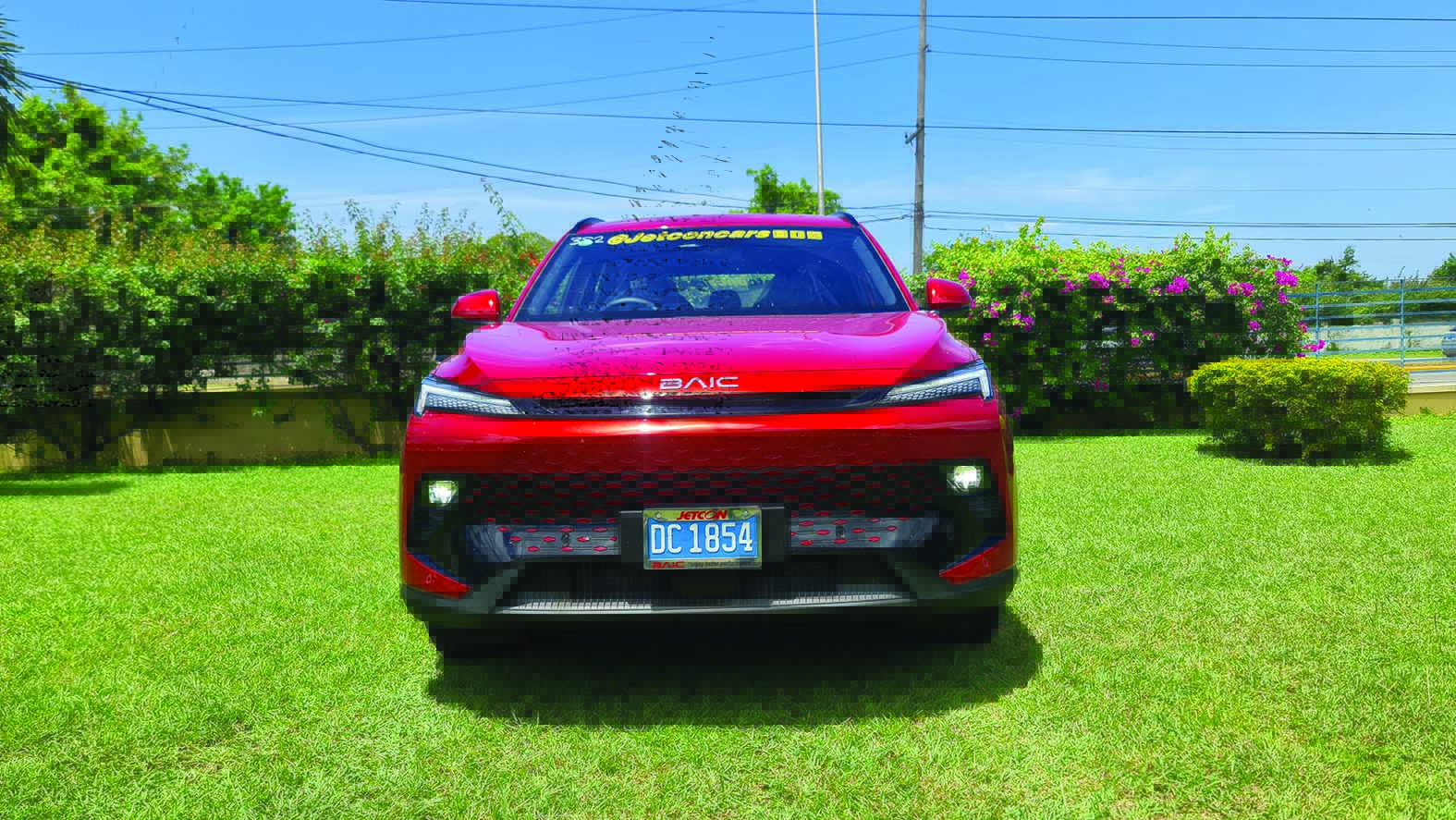
The front fascia abandons conventional grille styling in favour of a seamless, modern parametric pattern flanked by high-mounted daytime running lights.
I tested the X55 Premium almost two years ago, and returning to this compact SUV reveals a vehicle making a strong case for building a consistent performance. BAIC, the parent company, has focused heavily on iterative updates, implementing subtle feature enhancements and essential software upgrades to ensure its flagship remains competitive in an increasingly crowded market.
As a compact SUV, the vehicle occupies a significantly larger footprint than its younger sibling, the X35. While the X35 satisfies the entry-level subcompact crossover bracket with simpler underpinnings, this model presents a more mature body type. It steps up in physical dimension and structural rigidity, positioning itself directly against marketplace rivals like the Haval H6 and Jetour Dashing. This specific segment is one that Chinese brands are trying to aggressively take over, using high feature density to challenge established Japanese alternatives by hovering around the six million dollar price range.
Direct Architectural Elements
Visually, the exterior design language represents a distinct shift toward cleaner, more integrated aesthetics. I much prefer the red colour scheme to the silver one I previously test drove; it looks considerably more aggressive and stands out sharply under the bright Jamaican sun. The front fascia utilises a boundless parametric design where the grille transitions smoothly into the body work, framed by high-set, sleek daytime running lights.
Along the side panels, deep character lines catch the light, drawing attention to the flush, inductive hidden door handles that automatically pop out as you approach with the key. These flush elements contribute to a low drag coefficient of 0.32. At the rear, the vehicle features a distinctive split spoiler designed to guide high-speed airflow, paired with an integrated LED light bar that anchors the vehicle's modern stance.
Functional Cabin Enhancements
Inside, the cabin layout is defined by what the manufacturer terms an aerospace-inspired aesthetic. The primary user interface revolves around a 10.1-inch central touchscreen display, which houses the upgraded infotainment system. The software updates have notably improved response times and menu navigation layout over the older version I evaluated. This central screen is complemented by a 10.25-inch digital instrument panel directly ahead of the driver. For audio entertainment, a multi-speaker configuration manages acoustic delivery clearly throughout the cabin. Practicality remains high for Jamaican families, supported by a 350-litre rear cargo space that handles grocery runs or weekend luggage with ease.
Equipment variation across the local lineup is divided into three distinct trim levels: Dynamix, Elite, and Premium. The entry-level Dynamix focuses on core necessities, while the intermediate Elite trim introduces expanded convenience features. The top-tier Premium model tested here incorporates the complete suite of advanced driving assistance sensors, an inductive panoramic sunroof with an automatic closure function during rainfall, and a dual-drive intelligent electric tailgate.
On-Road Dynamics and Performance
Under the bonnet sits a 1.5-litre turbocharged petrol engine. While most Chinese vehicles entering the local market arrive with a similar configuration, this specific engine feels like one of the few units that deliver power aggressively. It generates 138 horsepower and a robust 305 Nm of torque. This torque delivery provides genuine confidence when overtaking slow-moving trucks on uphill climbs or when generating sudden power in highway scenarios. To avoid getting carried away by the responsive throttle, I kept the vehicle in Eco mode for a large portion of the drive to keep fuel consumption down to a respectable level.
The suspension makeup consists of a MacPherson strut design at the front paired with a multi-link independent setup at the rear. On uneven local surfaces, the chassis management behaves predictably. The damping is calibrated firmly enough to control body roll through corners, yet it retains enough compliance to filter out harsh road imperfections. The handling feels neutral, providing a stable, reassuring steering weight when navigating sweeping secondary roads.
Concluding Reflections
The vehicle establishes itself as a highly competent contender within its class. By addressing prior software limitations and maintaining a robust powertrain, BAIC offers a polished package that undercuts established segment rivals on price while matching them in overall utility. For buyers seeking a modern crossover with assertive road manners, it warrants serious consideration.
Technical Specifications
Price Range: $5.79m (Elite), $6.19m (Tested Premium Model), $8.99m (Dynamix)
Body Type: Compact SUV
Engine: 1.5-litre turbocharged petrol
Power: 138 horsepower
Torque: 305 Nm
Transmission: Front-wheel drive
Fuel Tank Capacity: 53 litres
Fuel Consumption: 7.41 km/l (highway)
Cargo Capacity: 350 litres
Competition: Haval H6, Jetour Dashing, Honda CR-V