Shinique Walters | How aid financing can help with building back stronger
Loading article...
-
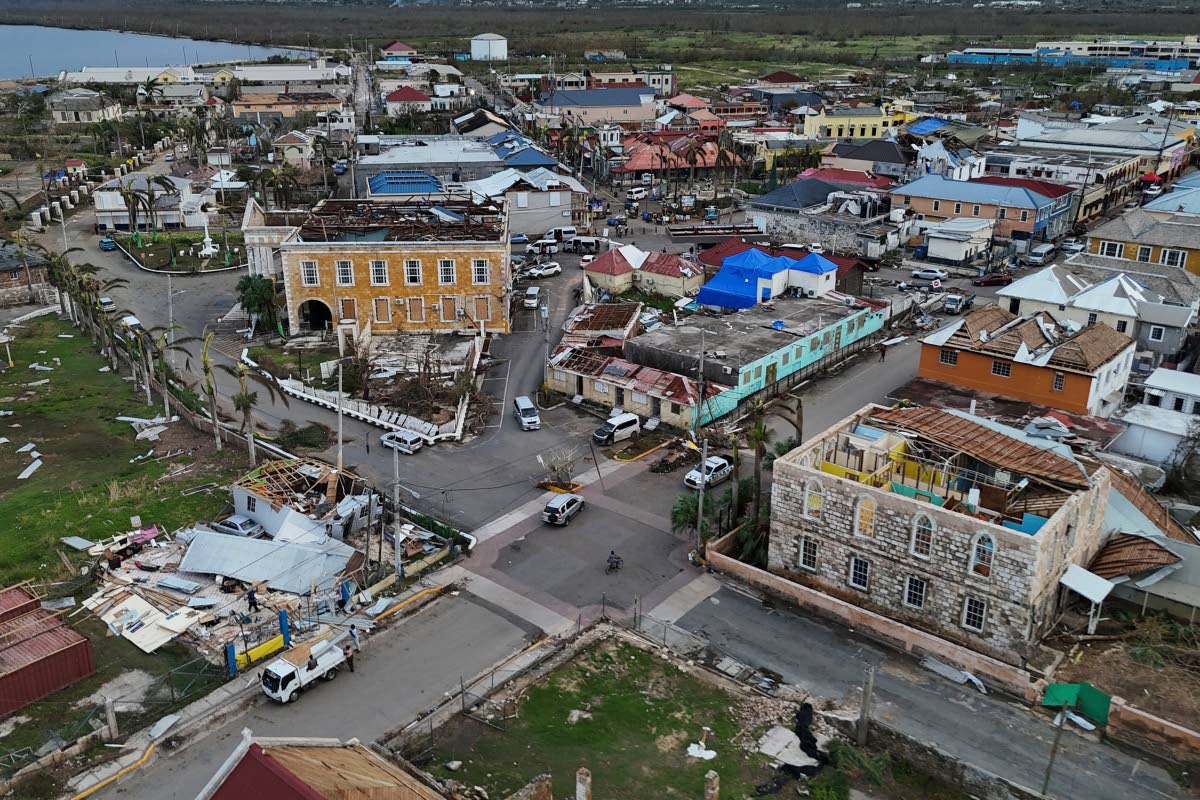 An aerial view of Falmouth, in the aftermath of Hurricane Melissa.
-
 Shinique Walters
Almost four months after Hurricane Melissa, Jamaicans have begun the long process of rebuilding, even as some communities continue to grapple with the compounded devastation of storm damage and entrenched poverty.
In the immediate aftermath, emergency response and humanitarian relief were critical lifelines. Yet global recovery experiences suggest that the true test begins once media attention fades – in how aid financing is ultimately utilised.
Aid funding can function as a double-edged sword: it can either foster resilience and strengthen communities or entrench cycles of dependency and vulnerability. The challenges posed by Hurricane Melissa, however, present a pivotal opportunity to realise the former – to channel recovery resources into sustainable rebuilding and long-term social and economic stability.
Countries impacted by disasters have learned that recovery is not simply about restoring what was lost, but about addressing the underlying social, economic, and infrastructural challenges that make such events so devastating. Experiences across regions such as Africa and Southeast Asia show how aid financing can extend beyond immediate disaster response to support faster recovery and long-term adaptation. When effectively directed, such funding helps communities rebuild stronger and become better equipped to withstand future shocks – a lesson that will prove critical as Jamaicans navigate the aid they have been receiving.
BEYOND EMERGENCY RELIEF
A key component of navigating disaster recovery is the transition from emergency relief to recovery financing. In the immediate aftermath of a hurricane, food supplies, temporary shelter, and medical assistance are vital lifelines. However, this transition is crucial: when humanitarian aid remains the primary driver of survival for prolonged periods, communities can struggle to achieve meaningful economic recovery, potentially fostering cycles of dependency rather than long-term resilience. Countries such as the Philippines and Bangladesh, which receive aid following cyclones and typhoons, have been forced to restructure their aid financing to prioritise early financing. International financing should therefore be more focused on the management or opening of roads, reopening markets, and creating structures to support livelihoods. This is needed to encourage citizens to return to work, earn an income and rebuild the dignity of their community.
Some of the challenges faced by Jamaicans from hurricane Melissa have shown that there have been damages to the agricultural industry, tourism, the informal economy, and small businesses. This has created an increased need for aid financing that moves beyond short-term relief toward more productive recovery support. Such funding is essential to assist farmers and small vendors affected by damage to the agricultural sector, tourism industry, informal economy, and small businesses. It is also critical for repairing key infrastructure – enabling communities not only to survive the recovery period, but to rebuild their livelihoods more quickly and sustainably.
MOST VULNERABLE
Disasters have different impacts on different members of the community. Considering the scale moderate to severe mostly women and informal workers, often suffer the most severe impacts and face the greatest barriers to recovery. Aid financing has often failed to account for inequalities faced by individuals. For example, Rwanda’s recovery financing was targeted towards rural development, women’s economic empowerment, and community health systems. This has helped to rebuild social reliance and to stabilise the home while managing future shocks. Nepal is also an example of poorly targeted aid, as housing grants improved building standards, but citizens from marginalised groups also struggled to access funds, leaving them more vulnerable. For Jamaica, aid financing should therefore be deliberately focused on the most affected small farmers, women-headed households, informal workers, and rural communities, while ensuring they remain empowered.
The government of aid financing is key. Countries that have successfully managed donor funding through national systems are better able to recover faster and stronger. For example, Bangladesh donor funds were brought into a national disaster management fund framework, aligned with long-term development and climate adaptation goals. Rwanda also benefited from aid flows, which both strengthened and weakened state capacity. Nepal and many other Caribbean countries struggle with weak, inefficient, and poorly coordinated mechanisms, as large sums of aid are sometimes misdirected due to local administrative capacity and daily implementation, which often frustrates the communities.
For Jamaica, aid financing must coordinate with national development priorities and disaster risk reduction strategies. It must also involve all local authorities and community organisations. The mechanisms for tracking funds and managing beneficiaries must focus on outcomes and help deliver tangible results rather than remain ineffective for short- and long-term goals.
MAKING COMMUNITIES STRONGER
Deliberate decision must be made to build back stronger by directing aid toward long-term infrastructural development and empowering people to better manage their households in the post-disaster period. This includes equipping individuals with the tools needed for economic recovery through the promotion and support of entrepreneurial activities, particularly those that strengthen and sustain small businesses.
It is hoped, then, that recovery efforts will move beyond simply replacing damaged structures. Instead, aid financing should be leveraged to support the construction of more climate-resilient homes, improve drainage and flood-management systems, and strengthen the agricultural sector to better withstand future disasters. Equally important is the need to diversify livelihoods and expand community disaster-preparedness training, helping to reduce vulnerability and prevent future losses.
Building back also means developing social resilience through community networks, leadership, and the process of making decisions effectively. Aid financing can support these agendas and help rebuild and foster the lasting resilience relationship that needs to exist. With these in mind, it is hoped that Jamaicans are making the shift from quickly adopting relief to more recovery efforts, targeting the most vulnerable communities, coordinating aid through a more accountable system, and ensuring that resilience is key to building communities through aid financing.
Dr Shinique Walters is a lecturer in the Department of Government and research fellow at the Centre for Leadership and Government at The University of the West Indies, Mona. Send feedback to shiniquewalters@gmail.com