Norris R. McDonald | Ghost budget, sick patients, health screening, IMF praise!
Loading article...
-
 Norris McDonald
-
 A KPH nephrology nurse educating a patient post-screening for kidney disease during the World Kidney Week Health Fair and Blood Drive on March 12.
-
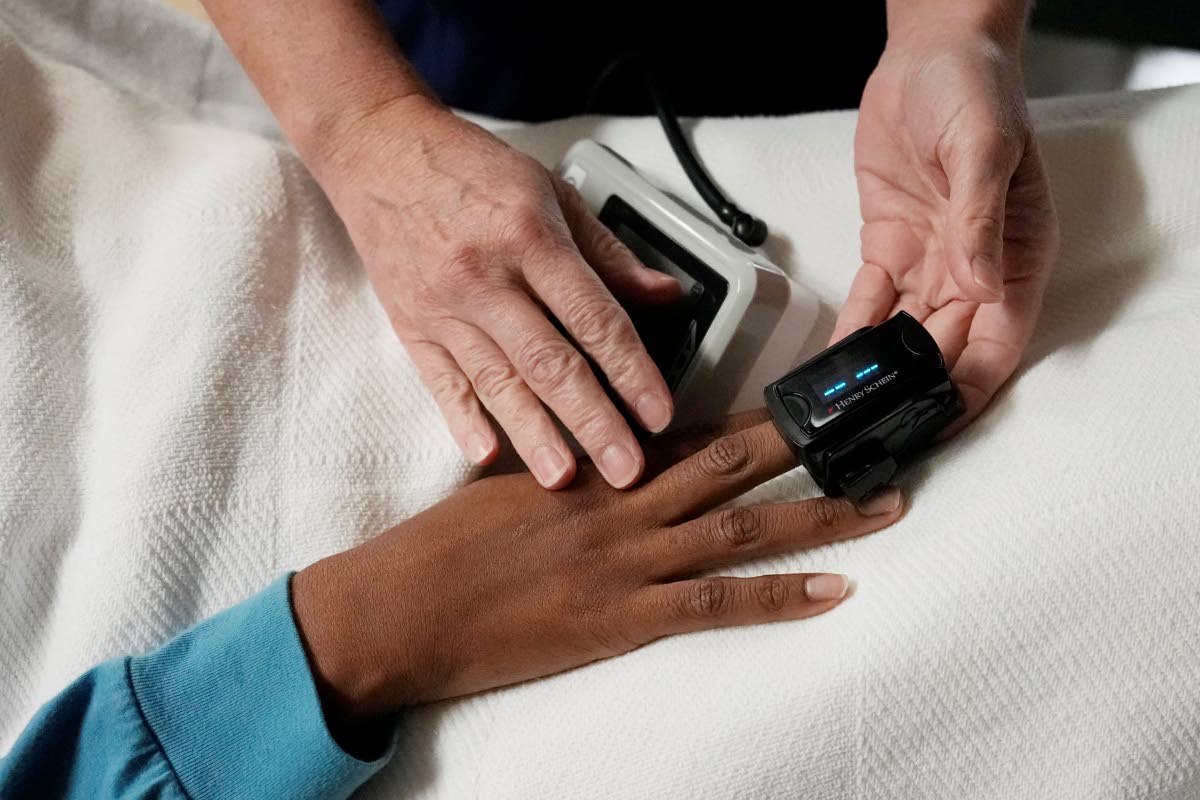 The high cost of diagnostic tests is a major barrier that prevents poor people from accessing the healthcare they desperately need — often until it is too late.
One of the biggest challenges faced by poor black Jamaicans is the high out-of-pocket cost of urgent medical tests. This is a burden not only on the cash-strapped poor but also on members of the middle class who require test results for urgent medical care.
The high cost of diagnostic tests is a major barrier that prevents poor people from accessing the healthcare they desperately need – often until it is too late. Diseases such as high blood pressure, cancer, kidney disease, and diabetes are ticking time bombs in many households, yet the cost of early detection remains out of reach for most.
The Private Healthcare Model Has Failed in America
If you cannot afford diagnostic tests at private hospitals or clinics, it does not matter how sick you are – you might as well forget about urgent care. The patient experience under this model is often poor. And contrary to popular belief, it is not much better in Western capitalist societies where healthcare is largely privatised.
Experiences with private healthcare models – particularly in the United States – show that they have failed to meet the needs of society. In fact, it is mainly in countries where governments take primary responsibility for funding healthcare that citizens receive relatively good-quality care. Examples include the Scandinavian countries – Norway, Denmark, and Sweden – as well as Canada.
The American healthcare system is largely privatized and is the most expensive in the world, yet it produces some of the worst health outcomes. This situation worsened under President Donald Trump, whose administration weakened the Affordable Care Act (Obamacare), a policy that had provided subsidised care for vulnerable populations.
Tragically, in Jamaica there is often a knee-jerk tendency to mimic American models, regardless of their shortcomings. The assumption appears to be that if something works in the United States, it must be suitable for Jamaica.
The truth is that a profit-driven healthcare system has little regard for social justice, economic equity, or the well-being of the poor. This is the economic model that has effectively been imposed on Jamaica – one in which social and healthcare justice are treated as unimportant.
We must push back against the dismantling of healthcare administration and social justice policies in Jamaica. This is not merely a policy debate; it is truly a matter of life and death.
LIFE AND DEATH ISSUES: HEALTHCARE JUSTICE
Here we are in Jamaica, still uncertain about what kind of healthcare system we truly want. I believe it is positive that the government has increased investment in healthcare, but what we witnessing, in my view, is half-hearted reform. Penny-pinching will not create the radical transformation necessary to achieve real healthcare justice.
Cynics may scoff at the idea of funding healthcare through the national budget, especially if they have never experienced catastrophic illnesses such as cancer or have never watched a loved one fight for their life.
Why must poor Jamaicans continue to bear the burden of fiscal policies while the government celebrates its financial achievements?
At the same time, national health planning must move beyond blood pressure monitoring to include chronic kidney disease, which has a particularly severe impact on children and rural communities in Jamaica.
Studies indicate high rates of kidney disease in rural areas, compounded by the increasing prevalence of hypertension and diabetes – both major contributors to kidney failure.
Chronic non-communicable diseases account for approximately 70–77 per cent of illnesses. These include high blood pressure, strokes, heart attacks, cancer, diabetes, and environmentally or smoking-related respiratory diseases.
The Government’s “Know Your Numbers” blood pressure monitoring initiative is a step in the right direction – but why stop there?
Why not provide full diagnostic testing for conditions such as cancer, diabetes, and kidney disease?
Why are we settling for half-measures instead of implementing robust, sustainable healthcare solutions that benefit the population as a whole?
Mobile clinics are also a positive initiative, but they should be fully equipped to conduct basic healthcare testing. There is no reason these clinics cannot be used for the early detection of critical conditions – thereby reducing late-stage diagnoses and saving lives.
Given the high cost of diagnostic testing, the government should seriously consider establishing a universal parish-wide diagnostic network. This network could be linked to major hospital systems and funded entirely by the state.
By investing approximately J$5 billion annually, the government could eliminate out-of-pocket diagnostic costs for the most vulnerable segment of the population. This could reduce late-stage cancer diagnoses by up to 30 per cent within five years, as early detection becomes a standard right rather than a luxury.
WHERE WOULD THE MONEY COME FROM?
A small percentage – just five per cent – of the estimated US$738 million that leaks from the national budget due to corruption and mismanagement could easily fund a national diagnostic system. While this is an estimate, it reflects the urgent need to address systemic waste in government spending.
This funding could support a national diagnostic system that enables doctors to obtain timely and accurate clinical information, instead of relying on patients to “hustle” money to pay for private tests.
It is simply not enough to present a budget and declare that IMF targets have been achieved. Jamaicans deserve to know what concrete plans exist to improve their quality of life. A fiscal model that prioritizes financial indicators over human welfare must be reassessed.
The real story of this budget is one of continued inequality – moral failure, social injustice, and economic neglect. Healthcare, education, and food security should define our national priorities, not the preferences of international financiers.
While it is true that government investment today exceeds what existed ten years ago, those investments cannot erase years of neglect, a devalued currency, or the devaluation of human lives and dignity.
There has been a profound devaluation of the lives of poor black Jamaicans, particularly with respect to access to quality healthcare. The government must address this injustice urgently.
That is the just bitta truth.
Norris R. McDonald is an author, economic journalist, political analyst, and respiratory therapist. Send feedback to columns@gleanerjm.com | miaminorris@yahoo.com