‘Musk’ has already gotten under Elon Musk’s skin
Loading article...
-
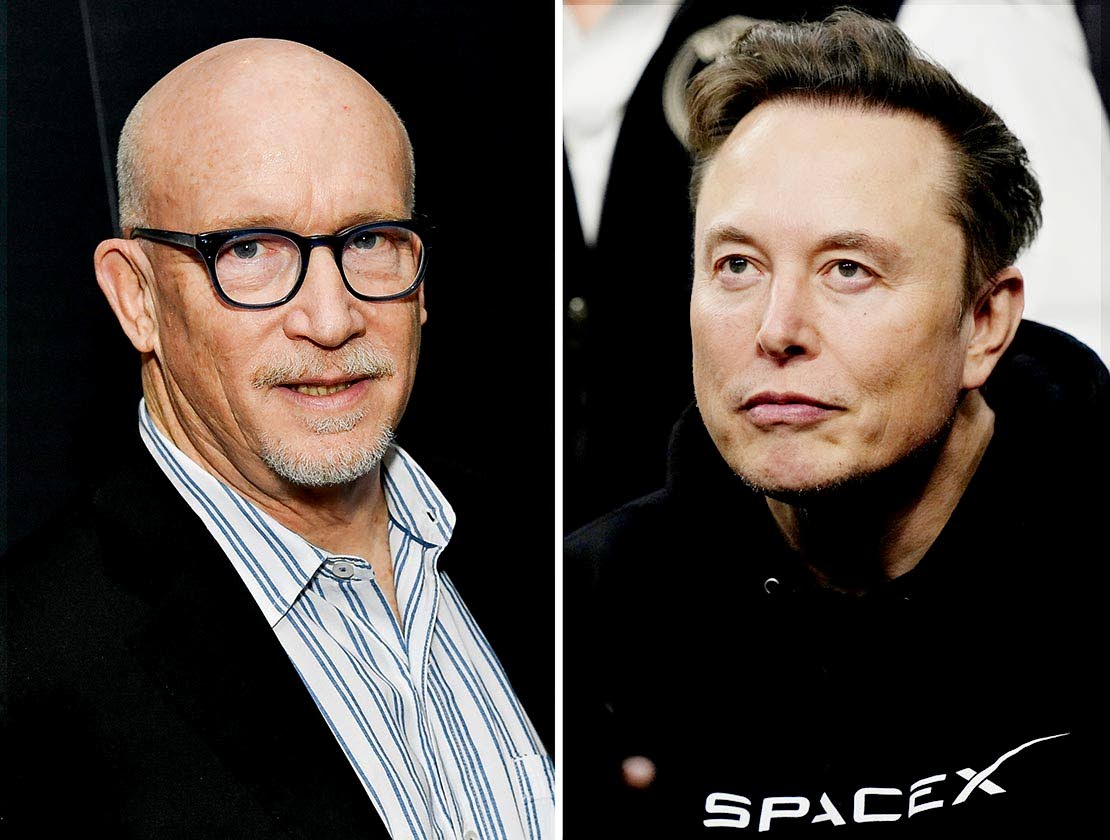 This combination of images show filmmaker Alex Gibney, left, and Elon Musk. Photo - AP Photo
-
This combination of images show filmmaker Alex Gibney, left, and Elon Musk. Photo - AP Photo
-
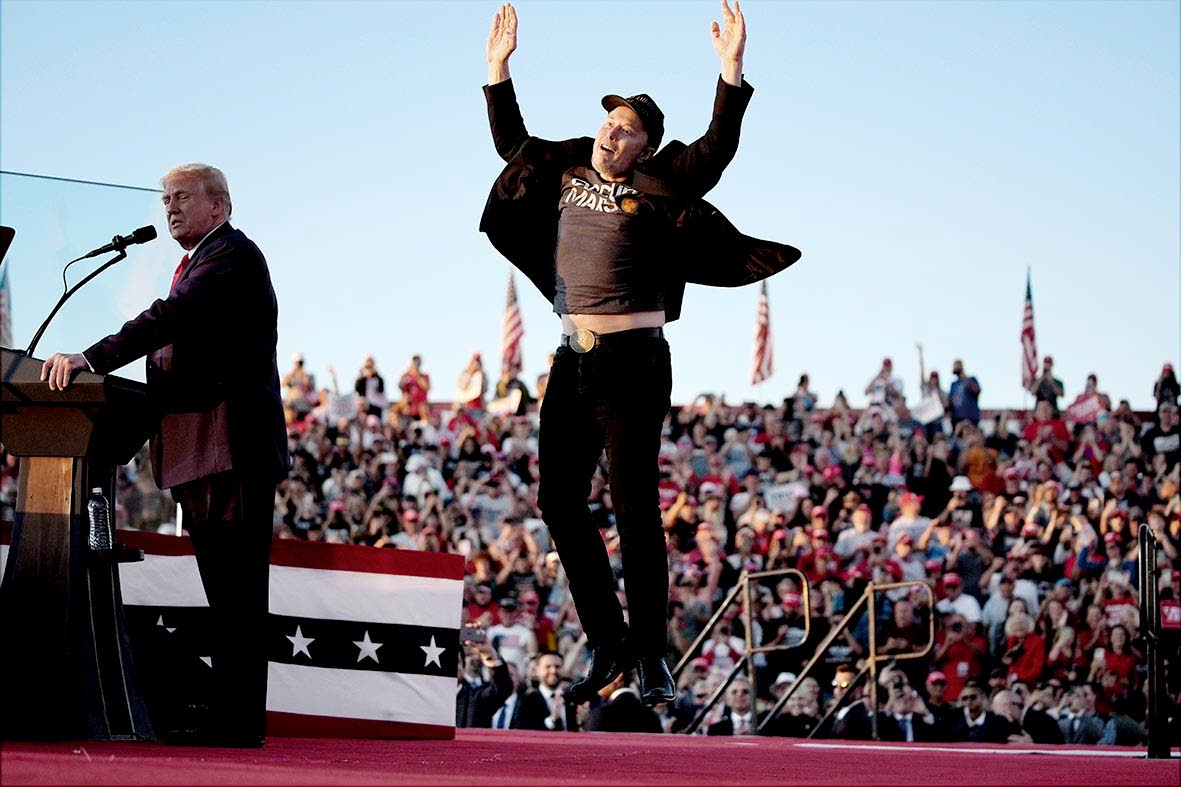 In this October 5, 2024 file photo, Elon Musk jumps on the stage as Republican presidential nominee, former President Donald Trump speaks at a campaign rally at the Butler Farm Show in Butler, Pennsylvania. Photo - AP/File
VENICE, Italy (AP):
Elon Musk has called filmmaker Alex Gibney a lot of names leading up to the theatrical release of the documentary Musk, which is playing in select theatres in New York and Los Angeles and expands nationwide on Friday.
Over the past few weeks, Musk has posted on X that Gibney is an “idiot,” a “shill for the far left”, and a “tinfoil hat crackpot” with “zero credibility”. When the documentary was announced three years ago, he called it a “hit piece”.
After its première at the Venice Film Festival last month, Musk wrote that dog faeces are “worth more respect than Gibney”. The trillionaire has reportedly not yet seen the film and did not respond to a request for comment from The Associated Press.
The documentary is facing more than a war of words from Musk, however. The film’s distributor, Bleecker Street, has not been able to run paid advertisements on several major social media platforms. YouTube, where the trailer had been available through regular channels, and Meta have since reversed course, saying that it had been flagged for “political content”.
There are also concerns about whether Musk will eventually land on HBO as originally planned in the aftermath of the Skydance merger, the new entertainment giant created by Paramount’s takeover of Warner Bros. Discovery. CEO David Ellison’s father, Larry Ellison, is friendly with Musk.
There have been threats of lawsuits from Musk’s camp as well. But Gibney is also leaning into it, posting regularly on X from his own account and through a newly created one called @muskfilmfacts. Recently, Gibney wrote on X that his film is “about a ‘free-speech absolutist’ who has threatened a lawsuit to try to stop the film from being seen”.
The Oscar-winner learned from making his Scientology documentary Going Clear: Scientology and the Prison of Belief, that the best way to fight back is to “not let them get inside your head”.
Gibney spent nearly four years making the film, a sweeping portrait of the power and influence of the world’s richest man, charting his rise from his early days in Silicon Valley through SpaceX, Tesla and DOGE.
It runs nearly four hours and features on-camera interviews with Musk’s family, including his father Errol Musk, his first wife and another mother of one of his children, as well as journalists, business associates, former friends, colleagues and government officials.
The project became a “runaway story”, said Gibney, who was finalising a two-hour cut when Musk endorsed Donald Trump following the 2024 assassination attempt on Trump in Butler, Pennsylvania.
“I started out doing the film because it was about 21st century power,” Gibney said. “I didn’t have a sense at that time that he was literally going to accrete the power of a kind of shadow president.”
Musk did not sit for an interview, so Gibney and his team did something a little unconventional: They made a computer-generated Musk that speaks directly to the camera. The image might be a visual effect, but the voice and the words it says are all Musk’s own, taken directly from recordings of things he’s said in interviews and at public appearances.
One of the sticking points for Musk and his supporters that has emerged since the film started screening for press and festival audiences has to do with “space lasers” and the 2024 US presidential election.
The source is a text exchange between Musk and Ashley St. Clair, the mother of one of Musk’s children who provided the messages. Musk writes to her about feeling optimistic about Trump’s chances, and how he has “10,000 lasers in space right now”.
Its inclusion in the documentary has provided ammunition for Musk supporters and his lawyers to discredit the film, pointing to an unfounded conspiracy theory about SpaceX’s Starlink satellites interfering in the election. But neither the film, nor St Clair, make that claim. It simply presents his text messages and lets the audience decide what to make of it.