‘Apples versus grapes’ - Mitchell, Jackson says Phillips MOUS, current TCN pact are not the same; opposition spokesman expects Jamaica to withdraw from deal
Loading article...
-
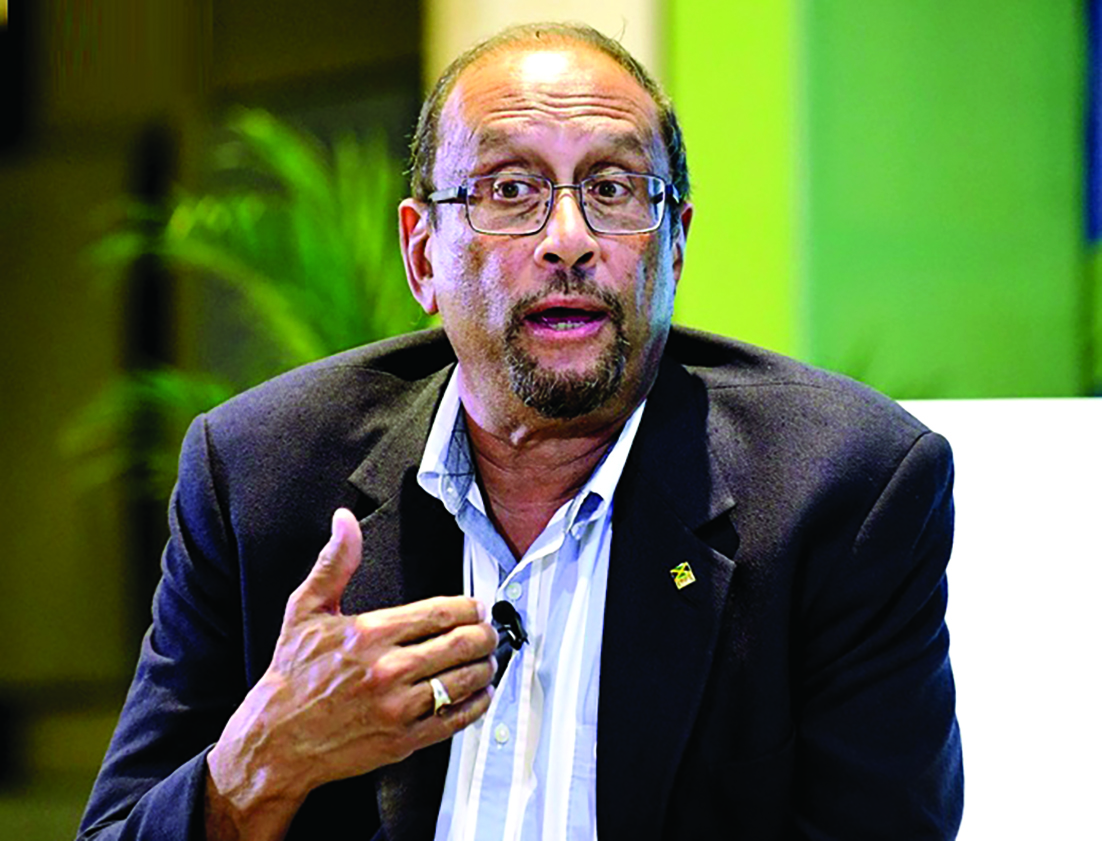
Mitchell
-
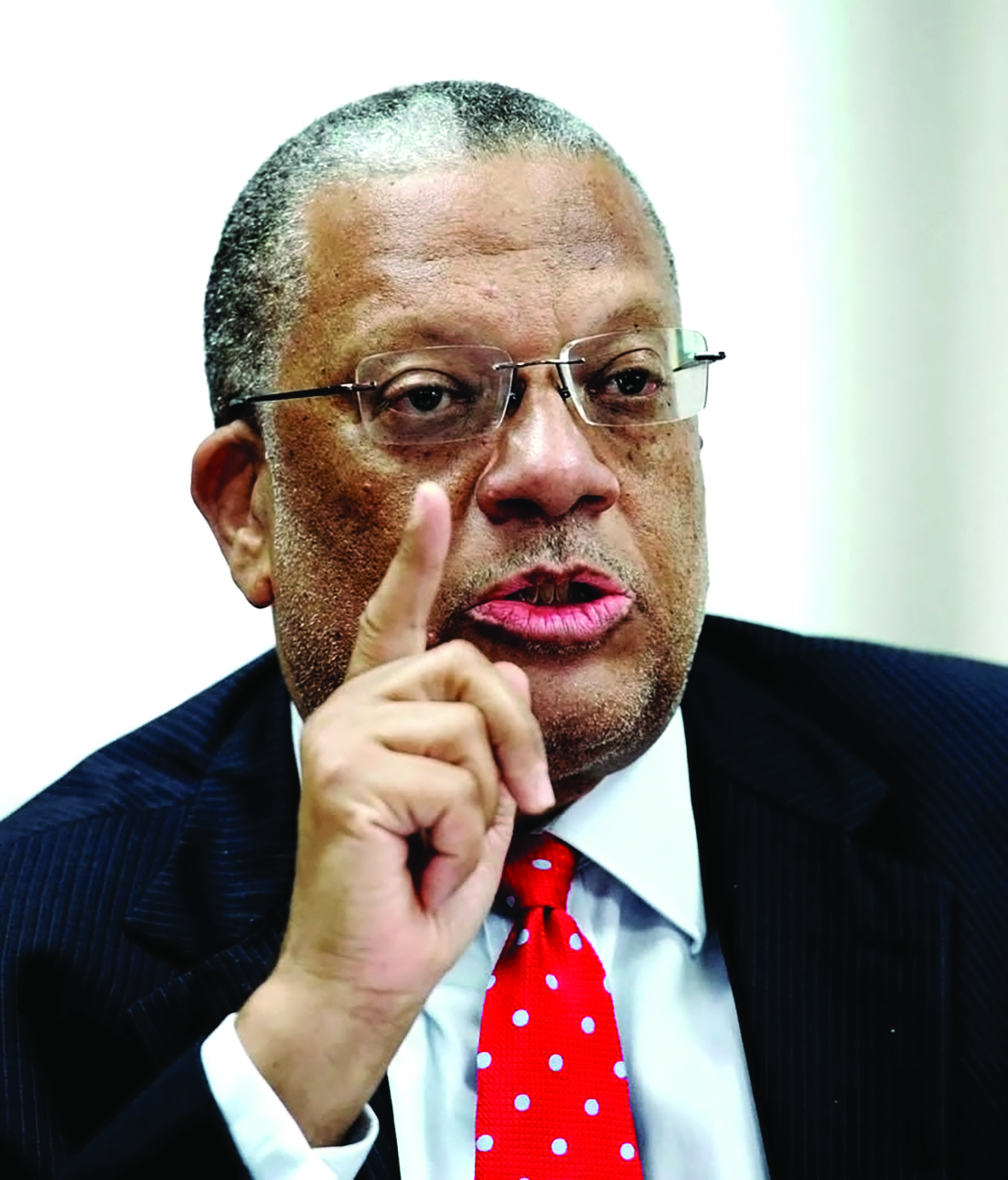
Phillips
As the Government continues to face questions over a memorandum of understanding (MOU) signed with the United States concerning third-country nationals (TCNs), senior attorney and businessman Howard Mitchell has rejected comparisons with a previous security agreement signed under former National Security Minister Dr Peter Phillips.
Taking a similar posture as Opposition Leader Mark Golding did last week, Mitchell told The Sunday Gleaner that the two arrangements are fundamentally different in purpose and effect.
“The contents are not the same. The intention is not the same. One was to protect the security of the nation and the other is likely to negatively impact the security of the nation, if the United States Secretary of State Marco Rubio is to be believed on the individuals the US is removing from that country,” Mitchell said.
His comments come amid ongoing political debate over Jamaica’s role in accepting individuals from the United States. Officials have not yet clarified the legal or operational status of those expected to arrive.
At a press briefing in Washington on April 30, 2025, Rubio said the United States was actively seeking third countries to accept deportees.
“We are actively searching for other countries to take people. Not just El Salvador, where more than 200 have already been deported. We are working with other countries to say, ‘We want to send you some of the most despicable human beings to your countries. Will you do that as a favour to us? And the further away from America the better so they can’t come back across the border… ,” he said.
He added that US President Donald Trump was elected to remove individuals described as “perverts, paedophiles and child rapists” and to keep the country safe.
Mitchell questioned the Government’s position that the individuals are not deportees, asking what their legal status in Jamaica would be upon arrival.
Responding to questions from The Sunday Gleaner, Mitchell also addressed comparisons being made between the current agreement and a 2004 MOU signed by Phillips relating to security cooperation.
He defined an MOU as “a set of terms and it's not compulsory but it is a gentleman's agreement”.
“In the case of the Phillips MOU, … it required the highest levels of confidentiality because of the nature of the subject matter, which was the exchange of data and communication, which is different, I submit, from talking about sending people to Jamaica who are illegals in the United States,” he said.
Mitchell argued that the current arrangement lacks the same security sensitivity.
“What is particularly confidential about that? What is of national security about that? If that information is released, what would be the consequences of that?” he asked.
He added that the earlier MOU involved intelligence sharing related to weapons smuggling, drug trafficking and human trafficking, including wiretap data shared with the United States and United Kingdom.
The 2004 agreement signed by Dr Phillips became a subject of controversy during the Commission of Enquiry into matter surrounding the extradition of Christopher ‘Dudus’ Coke. It was revealed that two classified MOUs were signed without the knowledge of then Prime Minister P.J. Patterson or Cabinet.
Dr Phillips later defended the agreements, saying Cabinet was not the appropriate body to be informed given the sensitivity of intelligence work. The issue resurfaced in the context of rising violent crime at the time, when Jamaica recorded more than 900 homicides annually.
They were subsequently ruled unlawful by the Supreme Court in 2018, leading to a restructured agreement in 2019.
In contrast, Mitchell said the current arrangement raises public interest concerns, particularly around the entry of individuals into Jamaica.
“As a matter of fact, there's a public interest in revealing that strangers are going to be let in who are at the very least classified in a certain way by a country which proclaims to uphold the highest standards of decency and morality,” he said.
He questioned whether health screening, background checks or movement monitoring would be carried out.
“Shouldn't we have some kind of medical certificate on them? We should have some assurance that these people are not vectors of disease. We should have some assurance that these people are not international terrorists. And we should have some assurance that these people are being tracked or their movements monitored,” he said.
Opposition spokesman on national security Fitz Jackson has also criticised the arrangement, saying comparisons with the Phillips-era MOU are misleading.
“It's really apples and grapes in terms of the nature of the MOU,” he said.
Jackson said security-related MOUs involving intelligence sharing are typically confidential due to the sensitivity of the information involved.
He added that MOUs can cover a wide range of arrangements, from administrative cooperation to infrastructure management, but said the current agreement raises distinct concerns.
“So this one has nothing to do with neither the constitutional nor legal right of any Jamaican except how you will compromise the security of the Jamaican state and the Jamaican people,” he said.
Jackson described the comparison with the Phillips MOU as a “red herring”.
He also questioned the Government’s communication on the issue, saying clarity had not been provided since the matter became public.
“I expect that the government will abandon the programme, given the way it has come out, and the fact that no coherent response is coming from anyone,” he said.
Members of the diplomatic community contacted by The Sunday Gleaner declined to comment.
The Government has not confirmed when the first group of TCNs is expected to arrive.