Fleeing Cuba, finding Jamaica
Loading article...
-
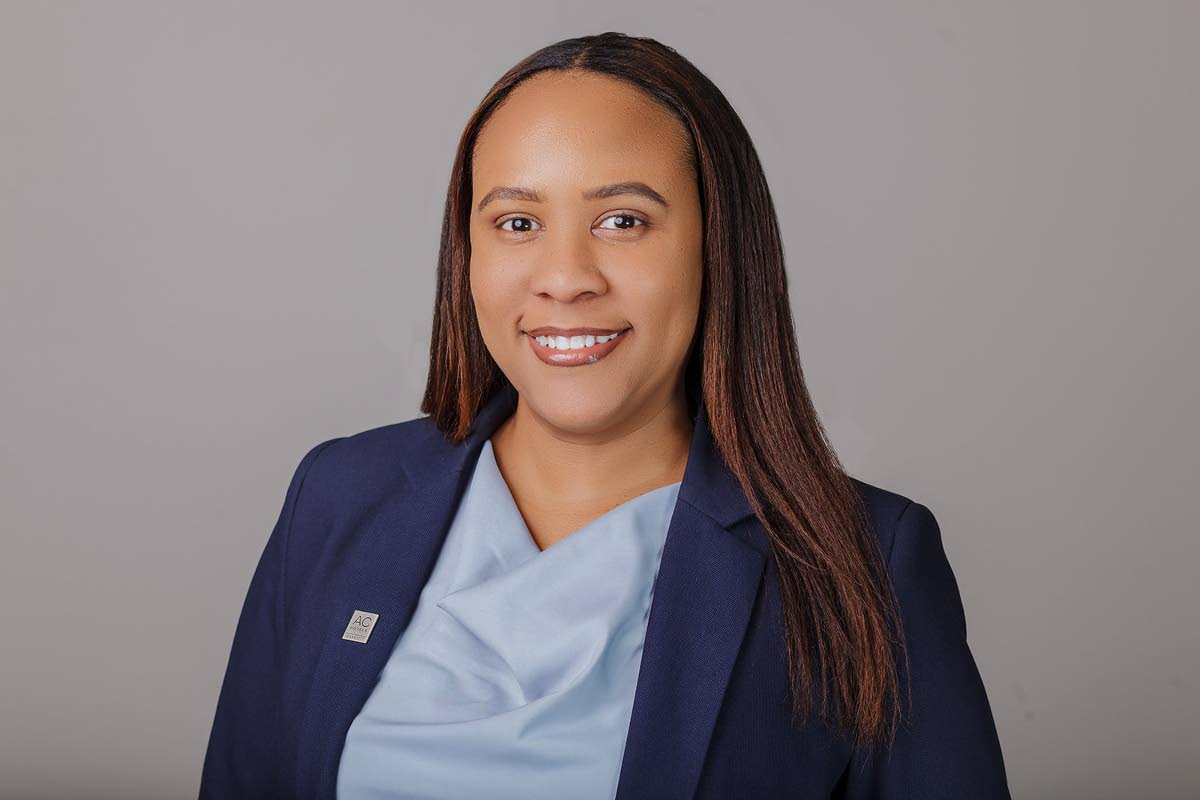 Rachel Martinez
-

-
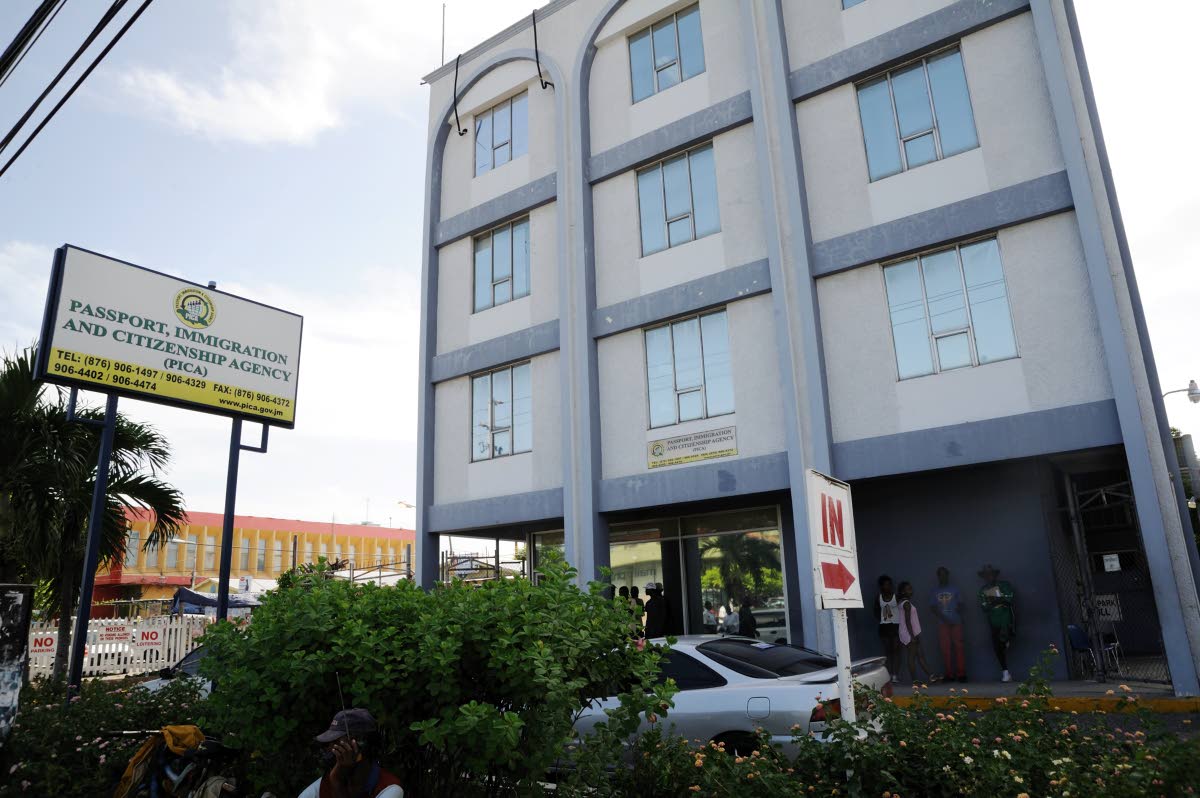 The Passport, Immigration and Citizenship Agency’s (PICA) offices on Constant Spring Road in St Andrew. However citizenship application services are handled at PICA’s offices on Waterloo Road.
There is a quiet surge in the number of Cubans seeking temporary residence in Jamaica, with approvals by the Passport, Immigration and Citizenship Agency (PICA) increasing by 60 per cent over the last five years.
Official PICA data obtained by The Sunday Gleaner through the Access to Information (ATI) Act reveals that temporary residence permits granted to Cubans rose from 374 in the 2021-2022 financial year to 601 in 2025-2026.
The steady upward trajectory was marked by 435 approvals in 2022-2023, 297 in 2023-2024, and 421 in 2024-2025.
Overall extension-of-stay categories – which include temporary residency, work permits, work permit exemptions, permanent residency and unconditional landings – similarly increased from 940 to 1,214 over the same period.
Three Cubans applied for refugee status in 2025 and four have applied since the start of 2026.
Last year, 12 Cubans were deported. Of those, 11 were convicted of illegal entry and one was convicted of overstaying. Nine have been deported since the start of this year.
The PICA said it could not disclose the specific grounds for residency applications – such as professional employment, marriage to a Jamaican or other categories – citing the need to protect personal data and prevent the identification of individual applicants.
“PICA must also comply with the Access to Information Act. While the Act establishes a general right of access to official documents held by public authorities, that right is expressly subject to exemptions. In particular, Section 22 (1) protects against the unreasonable disclosure of information relating to the personal affairs of an individual.
“PICA’s position is not intended to restrict legitimate public interest reporting but rather, in accordance with our statutory obligation, to balance the public right of access with our legal duty to protect personal information entrusted to the agency,” it said.
The ATI disclosures come amid a worsening humanitarian crisis in Cuba, as nationals struggle with crippling power blackouts, severe food and medicine shortages, and runaway inflation that have pushed thousands to flee the island.
The United States’ (US’) tightened trade sanctions have crippled the island, limiting vital oil imports and plunging its energy grid into widespread collapse.
Cuban officials have fiercely rejected the tightening pressure, with the Cuban government accusing Washington of waging an “economic war” deliberately calculated to choke the island’s energy grid, collapse basic public services, and provoke social unrest.
Nationwide blackouts and critical fuel shortages have forced Havana to slash work hours and ration electricity, but the Miguel Díaz-Canel administration has maintained that US sanctions, not domestic policy, are the root cause of the humanitarian crisis.
Díaz-Canel has argued that the US blockade on oil imports is an attempt to force regime change at the expense of the Cuban people, a population of more than 10 million.
The conditions there have forced Cuban-born Rachel Martinez, whose paternal grandparents are Jamaicans, to leave. She explained that the couple migrated to western Cuba in the 1930s.
For 10 years, the 36-year-old woman, who studied law in Cuba, has called Kingston home.
She has since acquired citizenship and now works in hospitality, having been driven south in 2016 in search of a life and career that her homeland could no longer offer.
An island stripped of its youth
A return visit to Cuba in late 2024 cemented the decision she had made. She recalled witnessing an island stripped of its youth, where an ageing population survives on less than an hour of electricity a day and a collapsed public health system.
“Jamaica gave me the opportunity of not just having a better quality of life, but dreaming about the possibilities of things I can achieve,” Martinez told The Sunday Gleaner.
But, even as she builds a stable life in Kingston, her heart and mind remain anchored 90 miles north, where her ageing parents endure the daily realities of an island in turmoil.
Her mother is a cancer survivor and her father, who suffered a stroke a year ago, is recovering.
She relies on a WhatsApp group of Cubans living in Jamaica, she told The Sunday Gleaner, to ship basic medical supplies, including needles, cotton and catheter bags, back to them.
“I would post a message in there and say, ‘Hey, is anybody planning to go to Cuba right now? Please reach out to me, I have medicine to send over; if anyone please could help me’. Usually, if there’s anybody going, they will take it for you.”
Quality of
life there
is near zero
“The quality of life there is near zero. The healthcare that we’re so proud of years ago is very decadent. They don’t have anything. I’m at the point now where Jamaican healthcare is literally better than the healthcare in Cuba,” said Martinez, who shared that she pays a private hospital in Cuba to treat her parents.
Miami-based courier companies are also used to ship supplies back home, she said.
At the same time, she noted the support among Jamaicans for Cuba’s communist government, saying that there is sometimes pushback whenever she shares her perspective.
Martinez described conditions in Cuba as heartbreaking, noting that hundreds of thousands of nationals have fled in search of opportunities.
“The lack of initiative
from the government”
“I think the lack of initiative from the government in terms of providing solutions for problems has caused especially the elders to suffer a lot. For my friends and family back in Cuba, me and my brother now have to be sourcing everything to them, from medicine to food to alternative sources of power, because there’s no electricity. They get like 45 minutes of electricity per day,” she said, adding that she is contemplating bringing her parents to Jamaica.
“It’s not nice. Cuban people are suffering and the sad thing is that it’s just the people, because the persons in the government, they are not suffering with the people. They have cars, they have light, they have access to everything. They can travel. So, whatever ideology they are holding on to, it’s definitely working only for them,” she said.
She said it was because of this that thousands of Cubans are domiciled in Jamaica, many biding their time in the hope of getting to the US.
The Donald Trump administration’s aggressive tightening of the US southern border – including the disruption of legal pathways and sweeping asylum restrictions – has clamped down on the traditional escape route for Cubans, leaving thousands stranded in transit countries such as Jamaica.
“There are thousands of Cubans here, especially because Trump has gotten harder with the south border. So lots of them are here waiting for Trump to go so they can go to America,” she said.
kimone.francis@gleanerjm.com
* Temporary Residency: A status (extension of stay) that allows a foreign national to legally reside in Jamaica for a specified, limited duration based on specific grounds—such as employment, attending school as a student, marriage to a Jamaican citizen, or as a dependent of a legal resident.
* Work Permit: A statutory authorisation issued through the Ministry of Labour and Social Security (and processed alongside immigration controls) that grants a non-Jamaican national permission to engage in gainful employment or business activity within Jamaica for a specific employer or purpose.
* Work Permit Exemption: A specialised status granted to qualifying foreign nationals—such as those married to Jamaican citizens (via a Marriage Exemption Certificate) or specific diplomatic/skilled categories—that waives the standard legal requirement to obtain a work permit in order to be employed in Jamaica.
* Permanent Residency: A status that allows a foreign national to live and work in Jamaica indefinitely without restrictions on their length of stay or the need for a work permit, while not conferring the full constitutional or political rights of Jamaican citizenship.
* Unconditional Landing: A stamp placed in a foreign passport that grants the holder the right to live, study, and work in Jamaica unconditionally without a work permit or student visa; typically granted to Jamaican citizens using foreign passports, persons of Jamaican descent, naturalised/registered citizens, or qualifying CSME skilled individuals.