Gen sec: PNP, newcomers ‘shone’ despite challenges
Loading article...
-
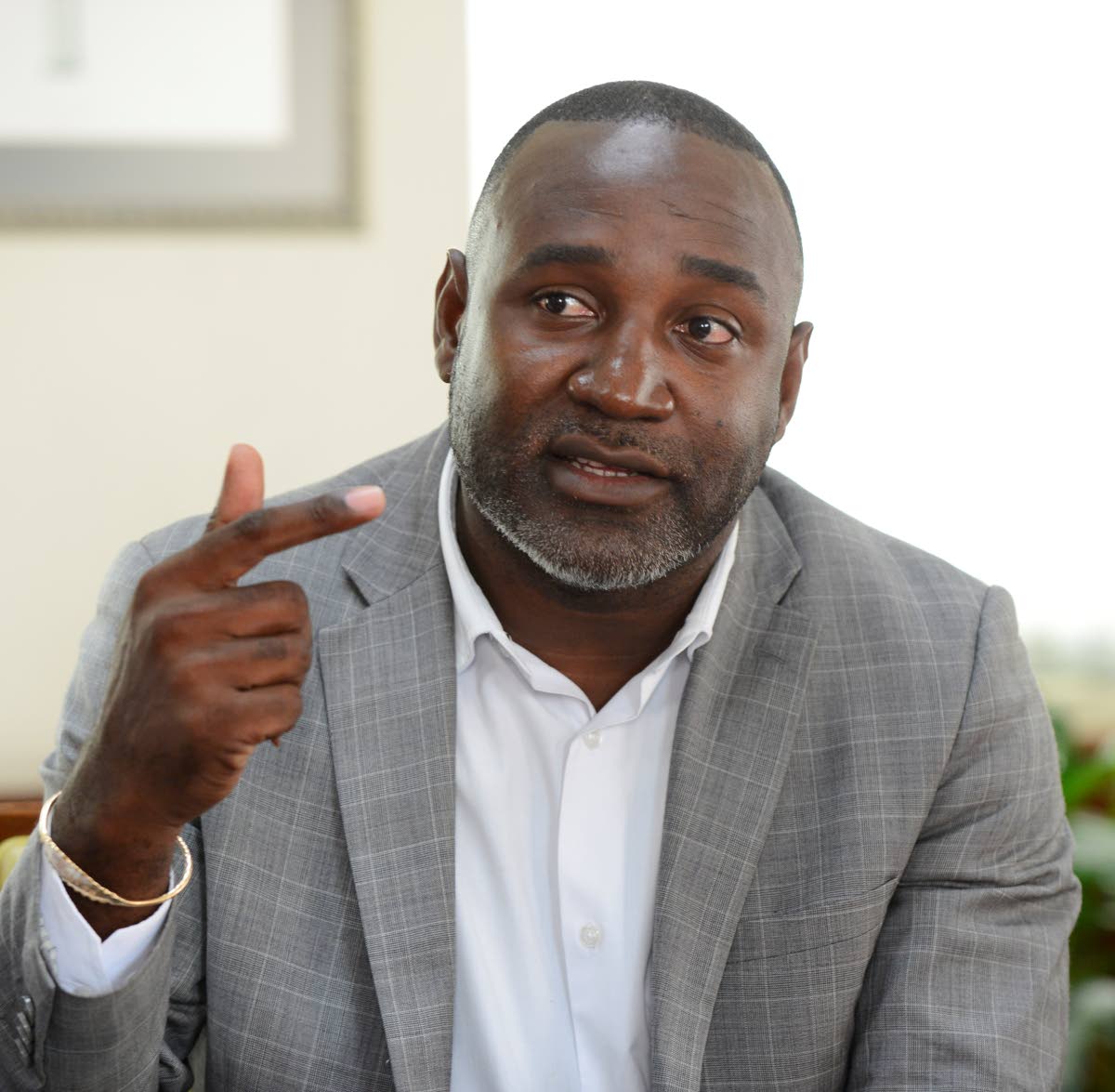 Dr Dayton Campbell, general secretary of the People’s National Party.
-
 Damion Gordon, political analyst and lecturer in the Department of Government.
-
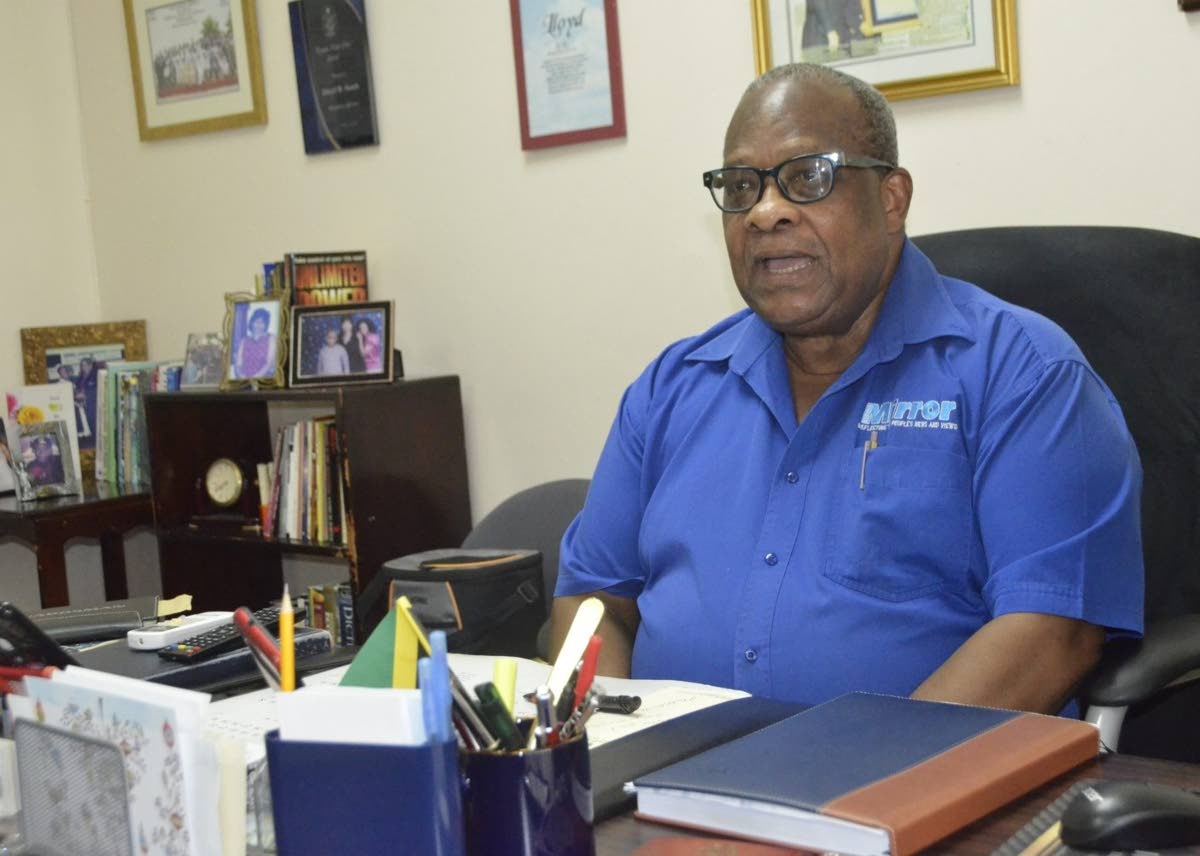 Lloyd B. Smith, veteran journalist and former legislator.
As supporters of the People’s National Party (PNP) head to western Jamaica today for its 88th annual conference, General Secretary Dr Dayton Campbell has given his party a positive assessment of its year in Parliament and politics, arguing that it has performed well despite severe challenges.
Campbell, who spoke with The Sunday Gleaner ahead of today’s public session of the conference, noted that it was being held in Westmoreland for the first time.
The parish is where Hurricane Melissa made landfall last year, devastating the housing stock in almost all of Westmoreland Eastern, the constituency he represents.
“The PNP has [had] a challenging year from not only the hurricane, but the hurdles we faced in the Parliament, and the bias way in which the proceedings were handled. Still, we gave sharp critique of government policy and offered practical solutions that we believe will be better going forward...,” Campbell said.
Slow and limited assistance from the Government exacerbated the situation, he claimed.
“I would give us 70 out of 100 for our year in the House and politics. We doubled our numbers of members of parliament (MPs), and had 25 per cent of them immediately in the heart of the hurricane. Recovery has been tough with limited assistance from Government,” he stated.
The western end of the island was ravaged by destruction to homes, agriculture and other infrastructure. The damage was calculated in billions of US dollars.
Faced with criticism after an audit by the Auditor General showed that less than one per cent of the more than $1 billion collected had been spent, the Government said it was being careful. An agency to fuel redevelopment, the National Reconstruction and Resilience Authority (NaRRA), was created, but work under the body has yet to get fully under way.
Campbell also commented on members’ contributions to parliamentary committees.
“We have lobbied for things to benefit the people. We have performed well in parliamentary committees and the new MPs have found their footing and are shining,” he argued.
Special mention was also made of the salient responses of PNP MPs, often within minutes of receiving documents provided by the Government.
He believes the worst that can happen for today’s event is rain. And while that would dampen spirits, he said it would be a poignant reminder that many are still living under tarpaulin.
PNP President Mark Golding, Campbell said, will deliver a message that the party is always ready to lead, even in the most difficult of circumstances.
Putting people first
“Our party leader will focus his message on putting people first, offering solutions that can assist the people and also provide hope going forward,” he told The Sunday Gleaner.
Lloyd B. Smith, veteran journalist and former legislator for the PNP, said the party was reading the proverbial room by showing solidarity, while keeping focus on the situation in that section of the island.
He said the west has always played a pivotal role in Jamaican politics, noting that the party understands that “where the west goes, the government goes”.
“And I suspect that the PNP wants to build from the ground up. And overall, I think it’s a good strategy. I wouldn’t panic too much, except to say that in politics, again, perception plays a very critical role. And no matter how you spin it, the crowd factor has to be there. When you go to the National Arena, whether it’s JLP (Jamaica Labour Party) or PNP, one of the things that the pundits and most people are looking at is the attendance level. And so there’s always a threat of bad weather, especially in the west at this time. But overall, I think, I would say it’s a strategic move...” Smith told The Sunday Gleaner.
He also said the party gets a passing grade for its performance over the past year.
“In the Parliament, there were some excellent interventions and contributions by their newcomers but generally they spent too much time nitpicking and focusing too much on the Speaker of the House (Juliet Holness) and her meanderings. It was disappointing in the sense that, with the increase in the number of parliamentary seats, one was expecting a greater level of pushback and the parliamentary cut and thrust that should be there...,” Smith said.
Lauding some of the newcomers, he said they came with innovative ideas and were not there just to be combative, but gave constructive criticisms as well as proposals.
“They really came across as a thinking opposition and that they had their finger on the pulse.
“But, as I said, unfortunately, they allowed themselves to be enmeshed in these squabbles and especially with what they insisted was the dictatorial attitude of the speaker. And that oftentimes took centre stage,” he said.
He continued that “there was no cohesive approach to the [Speaker] problem”, and added that the opposition leader should have taken full charge of the situation and led from the front, but instead allowed MPs to fire their own salvos.
“And so what you got was a scattered response, not a seemingly unified response, which would have carried much more weight. Unfortunately, for the most part, the media just concentrated on news bites,” he suggested, while advising the PNP to pay close attention to its communication and messaging.
Rumours of a challenge
As for the rumours of a challenge to the leadership of Mark Golding, he said now was not the time, noting that the supposed challenger, Damion Crawford, has his hands full with the various issues in education for which he is the spokesperson.
Meanwhile, Damion Gordon, lecturer in the Department of Government at The University of the West Indies (UWI) Mona, said Melissa required political adjustment.
“They (the PNP) came very close to forming the Government in the last election and moved from 14 seats to 28. So, naturally, there was an expectation that with that increased strength in Parliament, we would see a much more vocal and commanding opposition. But Melissa changed the context considerably...,” Gordon told The Sunday Gleaner yesterday.
“Once you had a major hurricane and thousands of people dealing with damaged homes, loss of livelihoods and serious disruption to their communities, the political environment changed. The opposition had to adjust as well. They could not afford to be seen as being overly political or partisan at a time when so many Jamaicans were suffering. So, for a good part of the year, the emphasis was less on the usual political competition between the two parties and more on recovery and getting help and resources into affected communities,” he said.
The PNP, he believes, found its voice largely around what it saw “as the slowness or inadequacy of aspects of the Government’s response, as well as issues such as infrastructure, education, the cost of living and accountability”.
As for its performance in Parliament, he said the record was mixed.
“There has not been the kind of sustained focus on legislation, parliamentary reports, motions, questions and other governance issues that I may have wanted to see. And this is generally not specific to the Opposition. I accept, though, that Melissa and the recovery effort took precedence for much of the year,” the UWI lecturer and political analyst noted.
erica.virtue@gleanerjm.com