From Kingston to Los Angeles: Ja’s hardwood revolution begins
Loading article...
-
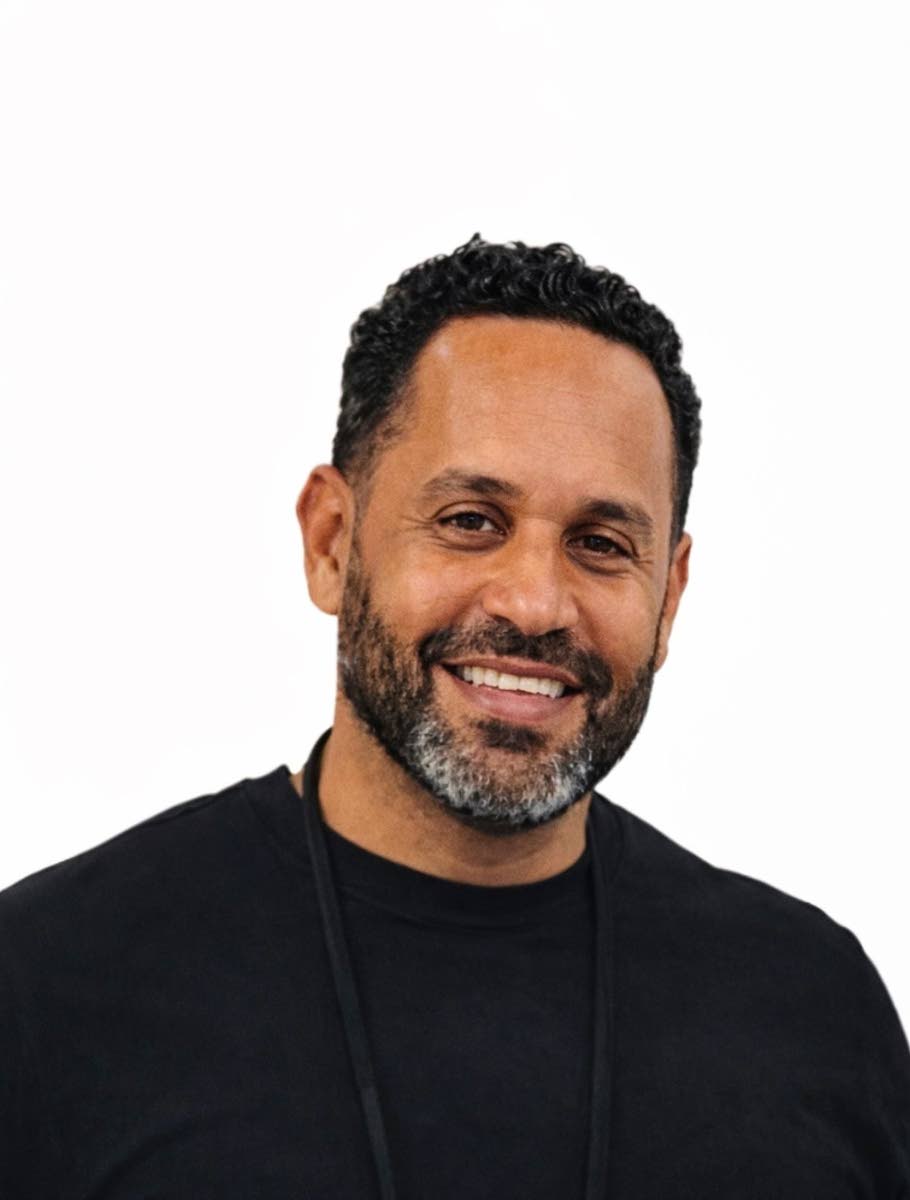 Team manager Dominic Delgado
-
 Operations director Annabella Seaga-Mian.
-
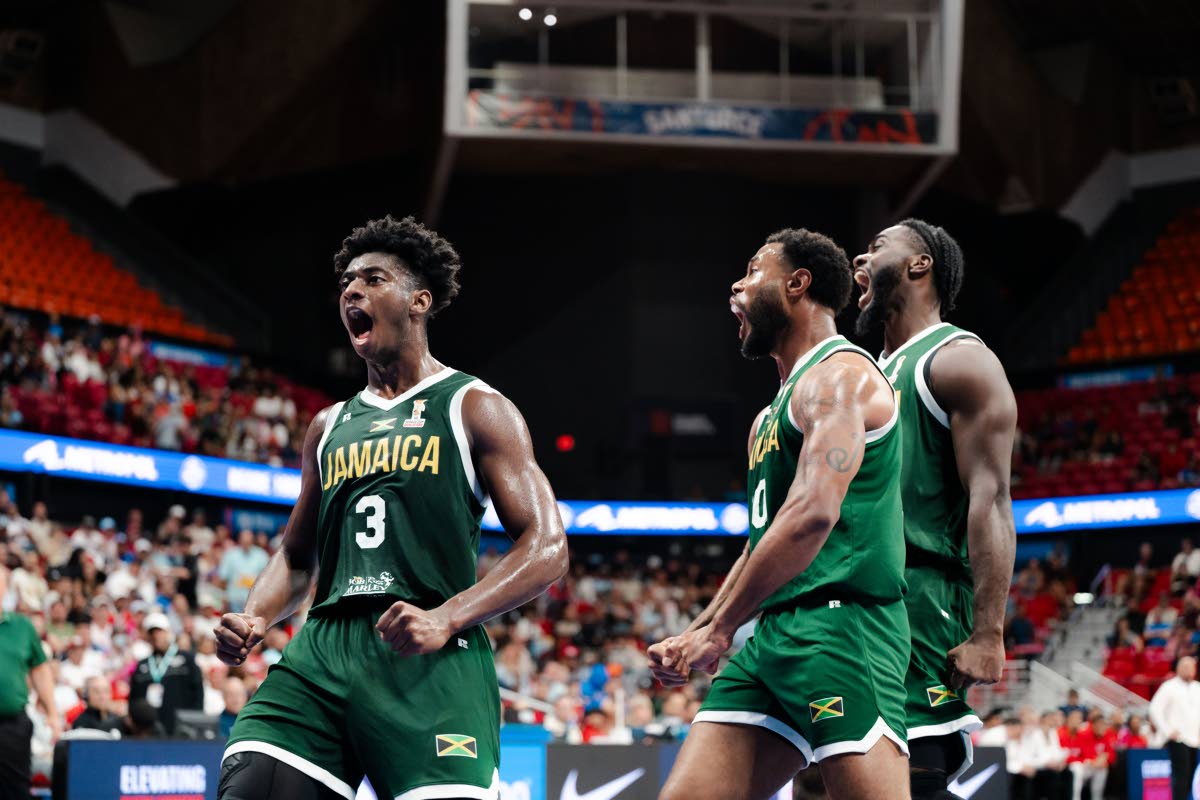 From left: Jamaica’s Chase Audige, Jordan Kellier, and Giovanni Fraser celebrating during a FIBA Basketball World Cup Qualifier against Puerto Rico. From left: Jamaica’s Chase Audige, Jordan Kellier, and Giovanni Fraser celebrating during a FIBA Basketball World Cup Qualifier against Puerto Rico.
WESTERN BUREAU:
When the casinos in Las Vegas projected Jamaica to lose by 31 points, few outside the locker room believed.
Then came the buzzer-beater. Then came the shock. Now comes Kingston.
Next week, Jamaica will host two crucial FIBA World Cup qualifying games at the National Indoor Sports Centre, February 26 against the Bahamas and March 1 against Canada, as the men’s national team mounts what its architects describe as a “legit mission” to reach the 2027
FIBA World Cup and, ultimately, the 2028 Olympic Games in Los Angeles.
Behind the charge are team manager Dominic Delgado and operations director Annabella Seaga-Mian, daughter of former Prime Minister Edward Seaga, who have quietly built a movement that is beginning to capture global attention.
The team’s rebirth began almost accidentally.
According to Delgado, Jamaica gained entry into a pre-qualifying tournament last year through what he calls “a computer ranking glitch” that opened the door to the FIBA Americas pre-qualifiers in Mexico.
There, despite illness sweeping through the delegation, 13 members reportedly fell sick, Jamaica won two of three games against Barbados, Costa Rica and Mexico. That secured advancement to the first round of FIBA Americas World Cup qualifiers.
Then came Puerto Rico.
“No one gave us a chance in winning either game,” Delgado said. “Vegas had us losing by 31. We won on a buzzer-beater.”
In the second game, Jamaica were projected to lose by 17.5 points. Instead, they led by 20 at one stage and closed out the victory.
The wins reverberated online. Clips went viral. Basketball forums buzzed.
“Worldwide we’re getting attention,” he said. “In Jamaica, people still don’t realise how good this team is.”
At the heart of the team’s credibility is NBA All-Star guard Norman Powell, now with the Miami Heat.
Delgado recounts a moment in Mexico that crystallised the team’s culture.
Hours before a must-win game, Powell was reportedly curled up in his hotel room, severely ill from food poisoning. The team doctor advised he should not play.
“His agent called and said Norman made a commitment to Jamaica,” Delgado said. “He’s going to do whatever he can.”
Powell could barely walk into the arena, holding his mother’s hand. He then scored 30-plus points in an overtime victory that secured qualification to the next round.
“That’s the character of this team,” Delgado said.
The squad also features Nick Richards of the Chicago Bulls, the only NBA player born and raised in Jamaica and Josh Minott of the Brooklyn Nets, along with a deep bench of US college standouts and overseas professionals.
For Seaga-Mian, this is not about chasing NBA fame.
“It’s not about getting into the NBA,” she said. “It’s about opportunity.”
She points to players who left Jamaica at 11 and 12 on scholarships, sacrificing childhood at home for education abroad. One player holds a double master’s degree.
“Basketball gave them education, exposure and a future,” she said. “I don’t want kids to have to leave at 11 years old. I want the training here.”
Delgado shares that vision.
“We’re going to find NBA players,” he said. “But we’re going to find even more future doctors, engineers and architects.”
Both acknowledge Jamaica’s greatest weakness is infrastructure.
No Caribbean island had been hosting FIBA tournaments because of the cost and strict requirements, courts, hoops, lighting, broadcast standards, medical facilities.
Hosting next week’s games has required major logistical effort, fundraising and regulatory compliance.
The Bob & Rita Marley Foundation has been instrumental, Delgado noted, not only financially but in grassroots court resurfacing and equipment support. So have Rainforest Seafoods and National Baking Company.
“Both companies never hesitated when they were approached,” said Seaga-Mian.
“Many kids don’t even have proper basketball shoes,” he said. “We see the videos. It bothers us.”
Seaga-Mian envisions outdoor courts in every parish, a basketball ecosystem that mirrors Jamaica’s track and field culture.
“I don’t see why Jamaica can’t be the basketball capital of the Caribbean,” she said.
Jamaica currently sit in a qualifying group with Canada, Puerto Rico and the Bahamas. Three of the four teams will advance.
After the Kingston games, Jamaica travel in July for away fixtures against the Bahamas and
Canada. Success would advance the team to the final round of World Cup qualification. A strong
World Cup showing in Qatar next summer would create a direct pathway to the 2028 Olympics.
“Canada are a top-five team in the world,” Seaga-Mian noted. “We know what we’re up against but we’re not complacent. We’re hungry.”
Both leaders are diaspora Jamaicans with deep local roots. Seaga-Mian was born in Kingston and attended St Andrew Prep and Campion College before studying at the University of Miami and American University.
Delgado was born in Washington, DC, grew up in Montego Bay and also attended the University of Miami. Both work in real estate, and both now describe basketball as a full-time calling.
“My wife is tired of seeing me in Jamaica colours,” Delgado laughed. “But I wear it everywhere to recruit.”
Their ambition extends beyond qualification.
They want elite facilities in Montego Bay or Ocho Rios so NBA players, Jamaican and non-Jamaican, can train while vacationing on the island.
“They would stay longer,” Seaga-Mian said. “Right now, they leave because they can’t practise here.”
If Jamaica had long been defined by sprinting dominance, Delgado and Seaga-Mian believe the hardwood may be its next frontier.
What began with a ranking glitch and a buzzer-beater now carries the weight of something far larger, a chance to redefine sporting identity and expand opportunity for a generation.
Next week in Kingston, that vision meets the court.