JACRA moves to revive High Mountain coffee industry
Loading article...
-
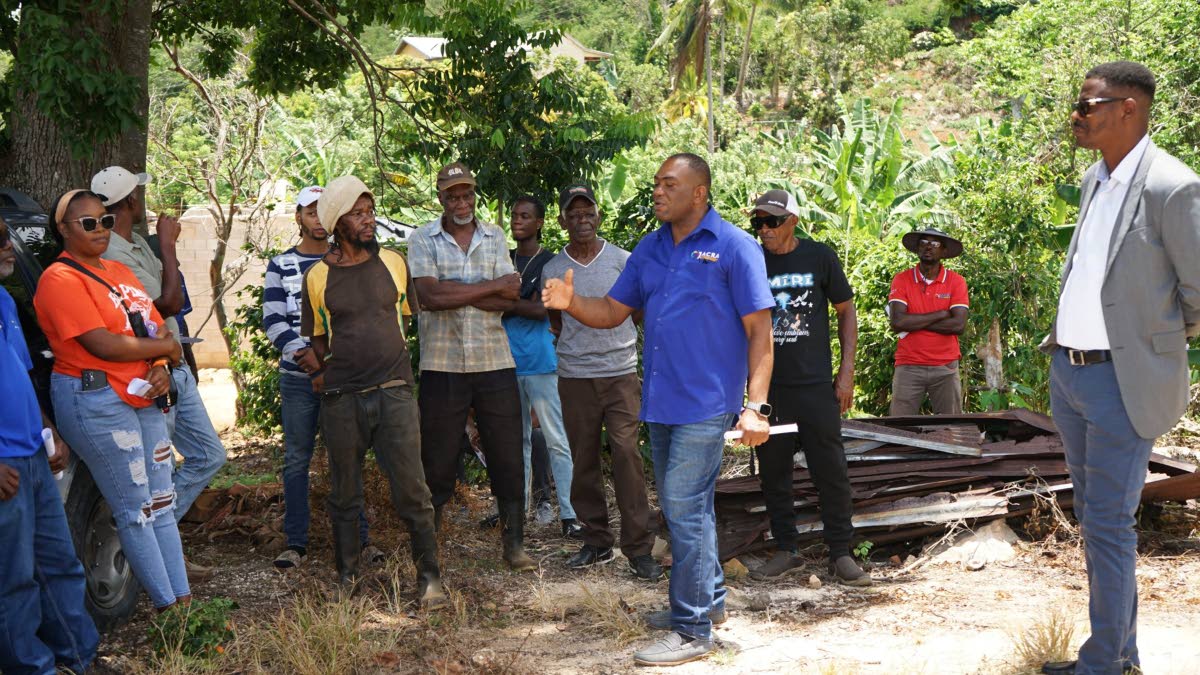 Gerald Bryan (right), head of the Spices Unit at JACRA, delivers a presentation to coffee farmers during the High Mountain Coffee Revitalisation Training, highlighting best agronomic practices to improve productivity and strengthen Jamaica’s coffee industry.
-
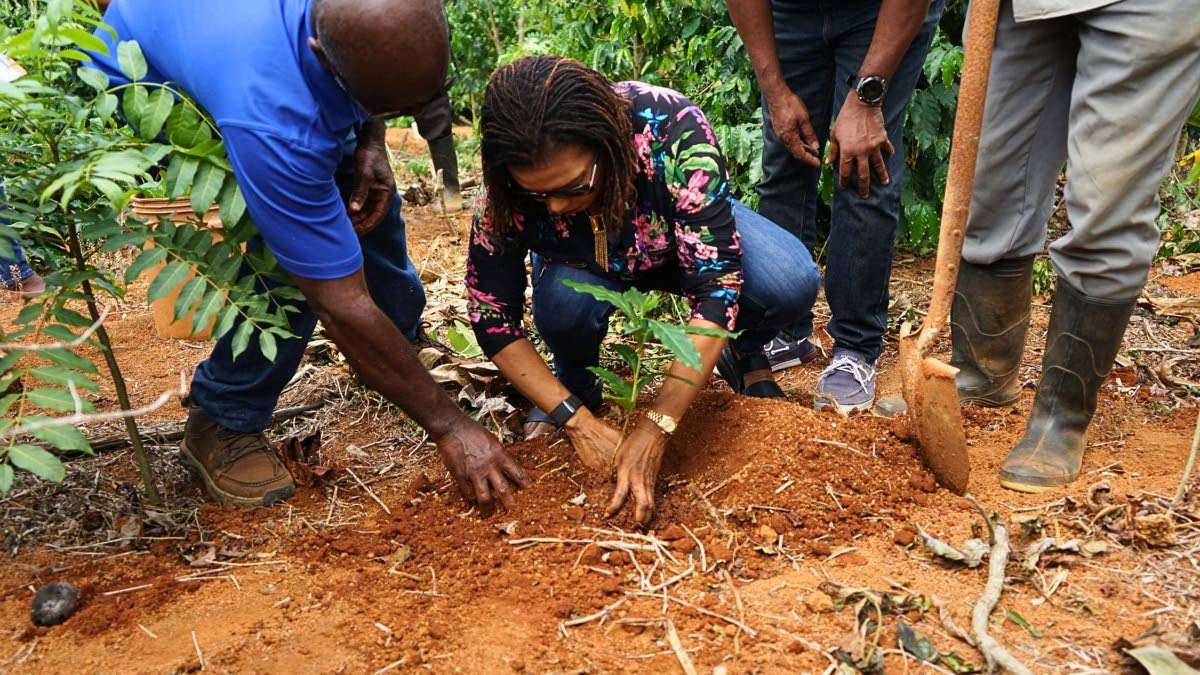 Member of Parliament for North East Manchester, Audrey Marks, demonstrates proper coffee planting techniques during the practical training session, guided by Hermon Donaldson, extension officer at JACRA, as part of the High Mountain Coffee Revitalisation Training in Bilby, Manchester.
-
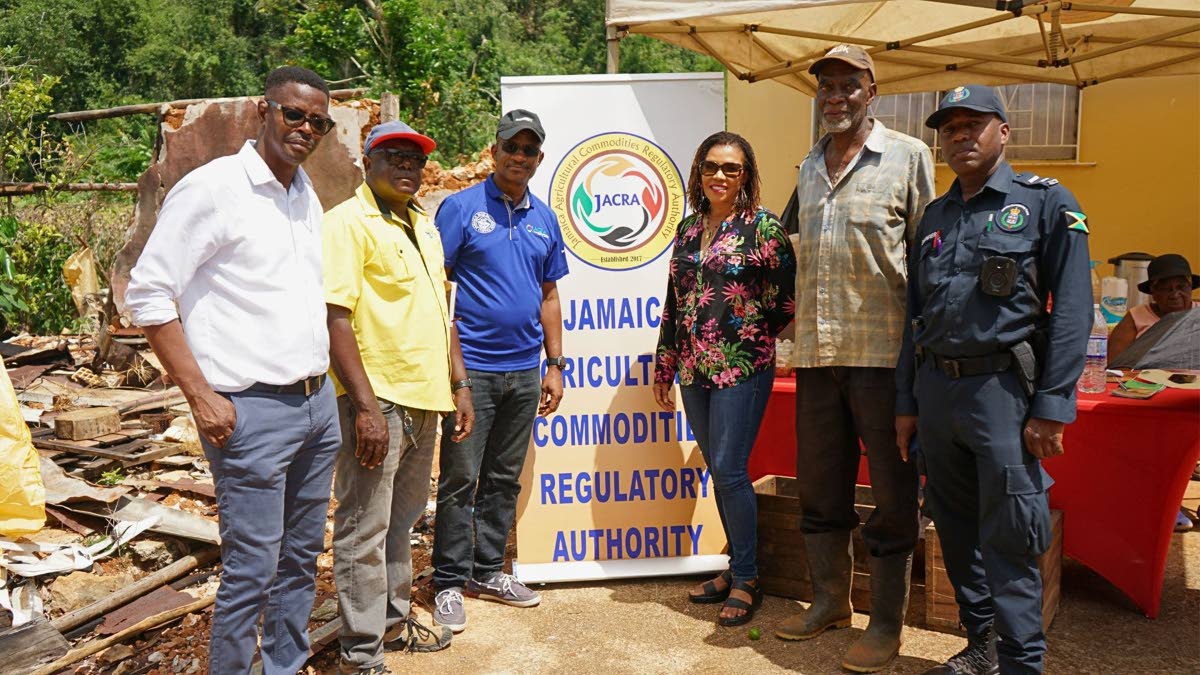 From left: Councillor for the Craighead Division, Omar Miller; Robert Smith, farm manager, Baron Hall Estate; Wayne Hunter, head of finance, Jamaica Agricultural Commodities Regulatory Authority (JACRA); Audrey Marks, member of parliament for North East Manchester; veteran coffee farmer and host Samuel Young; and Superintendent Saunders of the Christiana Police Division pose for a photograph following JACRA’s High Mountain Coffee Revitalisation Training in Bilby, Manchester.
-
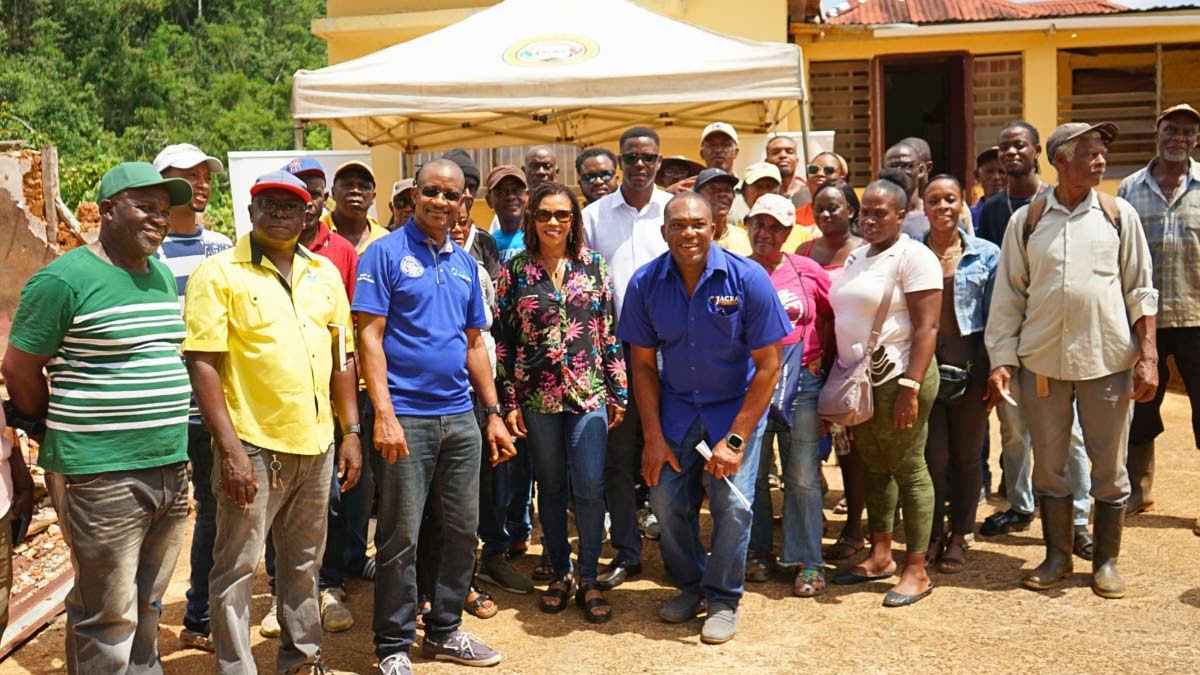 Participants in JACRA’s High Mountain Coffee Revitalisation Training gather for a group photograph following the successful hands-on training session held in Bilby, Manchester.
The Jamaica Agricultural Commodities Regulatory Authority (JACRA) is stepping up efforts to revive Jamaica’s declining High Mountain coffee industry through farmer training and technical support.
Earlier this month, JACRA, in partnership with Member of Parliament for North East Manchester Audrey Marks, hosted a four-hour Coffee Revitalisation Training Programme in Bilby, Manchester, on the farm of veteran coffee farmer Samuel Young.
Approximately 40 coffee farmers participated in the hands-on training, which focused on restoring productivity and strengthening the sector.
The training featured practical demonstrations led by Gerald Bryan, head of field advisory and extension services at JACRA, and Jason Clarke, regional coordinator for field advisory services.
The sessions covered land preparation, lining and hole preparation, plant nutrition, shade management and other agronomic practices aimed at improving coffee quality and yields.
Farmers were also reminded of the economic importance of coffee to Jamaica and the significant role High Mountain coffee continues to play in rural livelihoods.
Premium coffee
High Mountain coffee refers to premium coffee grown at elevations between 1,500 and 3,000 feet outside the Blue Mountain region, including areas such as Manchester and St Elizabeth. While distinct from Jamaica Blue Mountain coffee, it is recognised for its quality and remains an important component of the local coffee industry.
The training comes as the sector faces a sharp decline in production.
According to JACRA’s Coffee Crop Year Production Trend Report, High Mountain coffee production fell by 56.5 per cent between the 2020-2021 and 2024-2025 crop years, declining from 12,231 boxes to 5,321 boxes – a loss of 6,910 boxes.
While production declined by 7.9 per cent between 2020-2021 and 2023-2024, the sector suffered a dramatic downturn in 2024-2025, when production fell by 52.7 per cent in a single year.
That one-year decline accounted for approximately 86 per cent of the total production losses recorded over the five-year period.
Omar Miller, councillor for the Craighead Division, welcomed the initiative, saying practical training was essential to reversing the downward trend.
“Today’s training has highlighted some of the challenges that farmers have been experiencing, but the knowledge shared by JACRA on best agricultural practices will be beneficial in helping them improve production. The reality is that coffee has been on the decline for several years, and if we can increase productivity through initiatives like these, it will go a far way in rebuilding the industry.”
Young, who has cultivated coffee for approximately 42 years, also welcomed the renewed focus on the industry.
He said continued training, coupled with support through agricultural inputs, could encourage former coffee farmers to return to production.
“One of the greatest challenges we faced was that the cost of production far exceeded the income from coffee farming, and that caused many farmers to leave the industry. Now, we feel this is a new beginning as we learn new technologies and improved farming practices. Government’s support is also very important, because farmers need assistance in accessing the resources required to rebuild production. A little push at the start can make a significant difference; and when farmers know they are not alone, more people will be encouraged to return to coffee farming.”
Manchester has long been recognised as one of Jamaica’s principal coffee-producing regions, with its High Mountain coffee widely regarded for its quality.
JACRA and its stakeholders are now seeking to restore the region’s productivity through sustained farmer training, technical support and targeted interventions.
Marks reaffirmed her commitment to rebuilding the industry’s value chain and ensuring coffee farming once again becomes a viable livelihood for farmers across North East Manchester.
“North East Manchester once had a thriving High Mountain coffee industry, but over the years we have seen a significant decline. We now have to examine the entire value chain, from the farmers to the buyers, and identify opportunities to restore a profitable and sustainable coffee industry. I appreciate the support of JACRA, because this training marks the beginning of a much larger process that will create a consistent market for farmers, strengthen the value chain, and make our High Mountain coffee even more competitive.”
JACRA said the Coffee Revitalisation Training Programme forms part of its broader strategy to improve productivity, enhance coffee quality and restore confidence in Jamaica’s High Mountain coffee sector through farmer education, technical support and strategic partnerships.