Kenneth Russell | When the rains return, the drought will not be over
Loading article...
-
 Dorreth Heman, female Farmer in Waterford, Guys Hill, tries to salvage tomatoes from her field. She says the drought has affected her entire farm forcing her to purchase food that she normally produced.
-
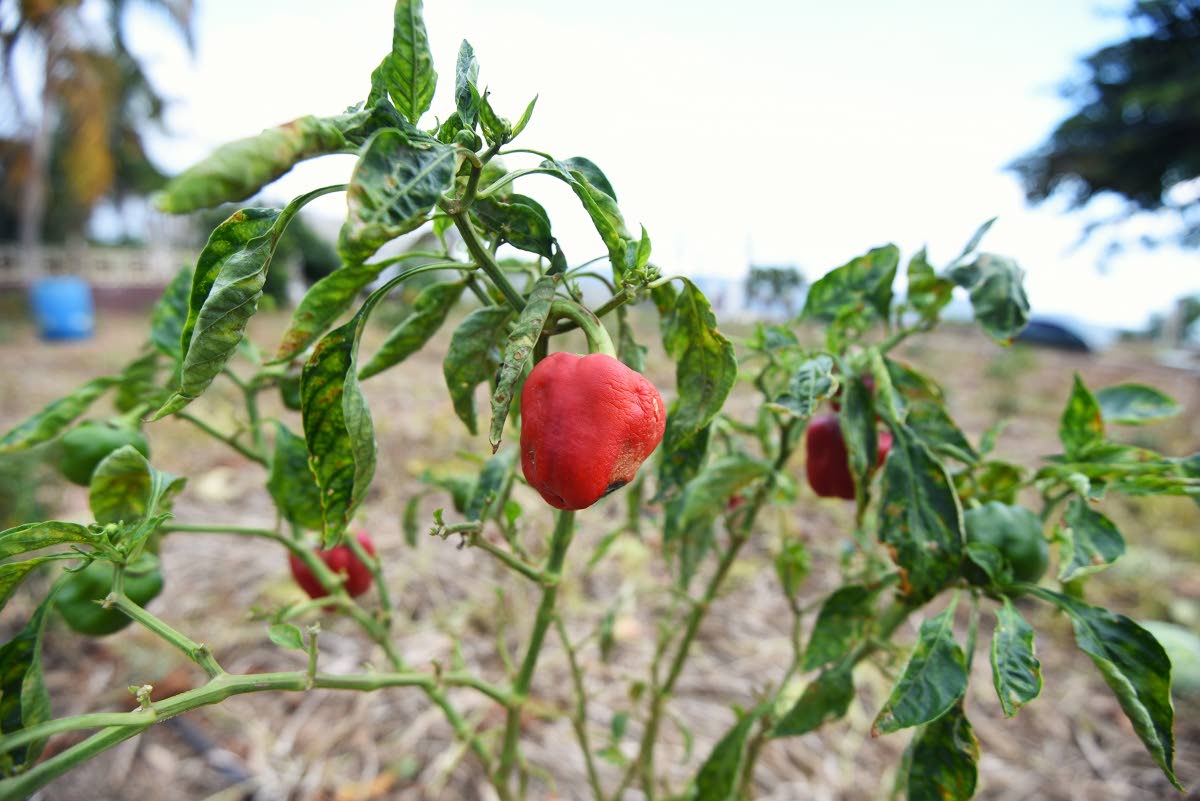 Sweet Pepper blighted by drought and extreme heat on a farm in Bull Savannah, St. Elizabeth
-
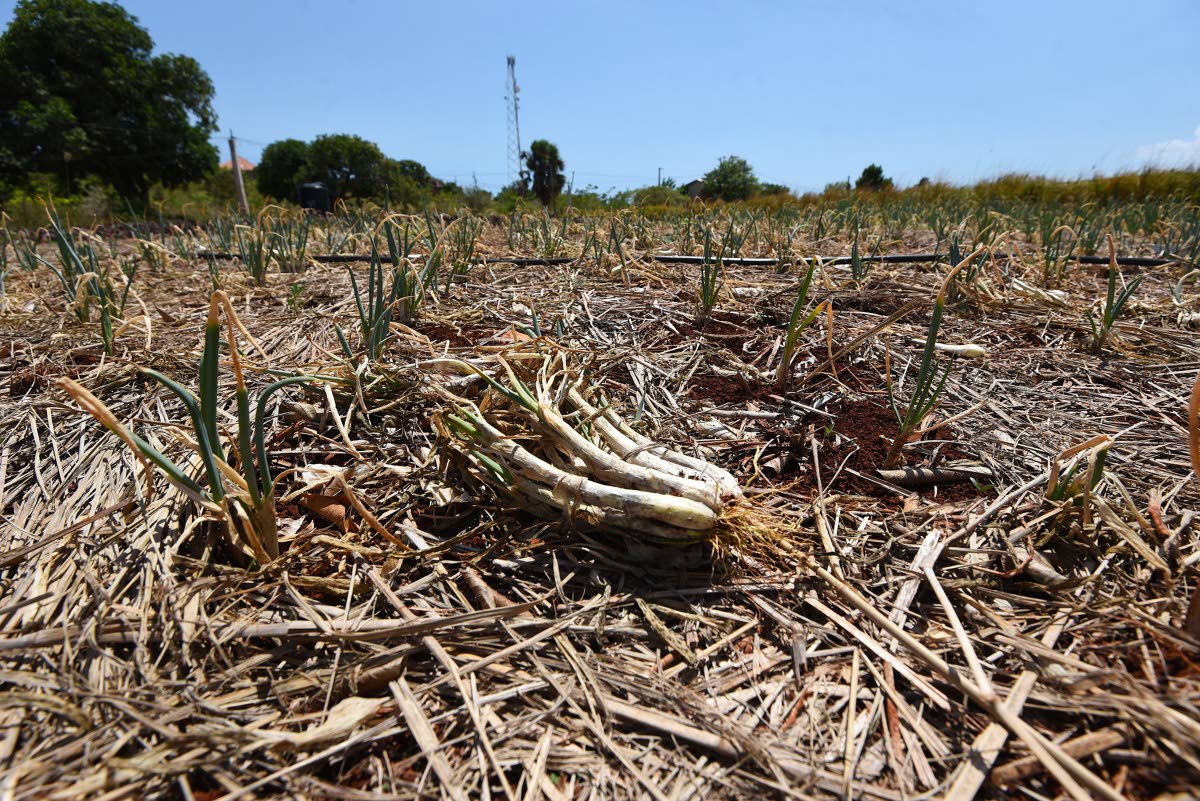 Crops damaged from drought and extreme heat in Flagaman district, St Elizabeth.
-
 Dr. Kenneth Russell is the Opposition Spokesperson on Rural & Community Development.
The rain will eventually return. But when it does, the drought in rural Jamaica will not simply end.
Across rural Jamaica, this drought is doing much more than drying fields and emptying tanks. It is weakening household economies, disrupting communities, damaging ecosystems, increasing fire risk, and destroying livelihoods.
More troubling is that scientists suggest that relief may not come quickly. The UWI Climate Studies Group Mona and the Caribbean Institute for Meteorology and Hydrology have warned that unusually dry conditions could extend into 2027, with El Niño likely to persist well into next year. Professor Michael Taylor has described what is unfolding as an emerging climate disaster whose impacts, unlike a hurricane, will continue building over months.
We, therefore, cannot treat resilience as something to consider after this drought. Resilience must shape the response.
RECOVERY MUST START NOW
This is why I have called for the drought to be treated as a national emergency, with the most severely affected parishes declared threatened or disaster areas. But an emergency response cannot mean simply trucking water until rain comes.
Government should already be identifying the communities, water systems, farms, watersheds, and institutions most severely affected. Financing, technical support, social protection, and rehabilitation programmes should be designed and pre-positioned now.
More importantly, we cannot spend millions recreating the vulnerabilities that existed before the drought.
Rural Jamaica entered this crisis already carrying deficits in water, roads, transportation, economic opportunity, and access to services. I have described the additional costs these disadvantages impose as the rural tax. The drought makes that burden heavier.
Returning rural Jamaica to where it was cannot, therefore, be our definition of recovery. Where we were was already too vulnerable.
DEVELOP THE WATER WE HAVE
Water trucking is necessary, but it is not a water-security strategy.
The National Water Commission must rapidly expand services. Community tanks and catchments must be repaired and expanded. Rainwater harvesting should become standard infrastructure for schools, health centres, community facilities, farms, and homes, with essential facilities having adequate storage to withstand extended disruptions.
Jamaica also needs to develop the existing water resources.
There are wells, springs, rivers, and other sources across rural Jamaica that are underused or out of service. The minister responsible for water promised an assessment of wells on mined lands two years ago. That report is still awaited.
With communities facing severe shortages, potentially viable water assets must be developed and put to use.
ADAPT, DON’T SIMPLY RESTORE
Agriculture is important, but rural resilience is more than farming.
Recovery support should not simply restore yesterday’s vulnerable production systems. Small farmers need access to water harvesting, drip irrigation, protected agriculture, drought-resilient crops, solar pumping, and improved soil and water management.
Technology must become part of wider rural development: remote monitoring of water systems, better climate information, watershed mapping, fire-risk detection, renewable energy, and smarter management of community infrastructure.
The fires spreading across dry hillsides reinforce the urgency. Drought destroys vegetation and habitats, exposes soil to erosion, and damages watersheds. Recovery must include restoration of burnt and degraded landscapes and stronger community-based fire prevention.
RECOVERY IS ABOUT PEOPLE
Drought also destroys household wealth. Families exhaust savings buying water, and small businesses lose customers. Health and sanitation risks increase, especially for children, older persons, and the poorest households.
The Government’s responsibility is not simply to keep rural Jamaica alive until rain comes. This crisis is an opportunity for reparatory development: deliberate investment to correct accumulated infrastructure and service deficits plaguing rural communities for generations.
The Government should urgently establish a Rural Drought Resilience and Recovery Programme, bringing water, agriculture, local government, environment, social protection, and disaster management agencies around one coordinated plan.
That programme should:
• Secure rural water systems: rehabilitate viable wells and dormant sources; repair and expand tanks and catchments; and invest in pipelines, rainwater harvesting, solar pumping, and decentralised storage. Schools, health centres, and essential facilities must be able to withstand prolonged shortages.
• Build resilience into agricultural recovery: provide financing and technical support for water-efficient irrigation and storage, protected agriculture, drought-resilient production and appropriate technology.
• Repair and protect the rural environment: map and rehabilitate burnt hillsides, damaged watersheds, and vulnerable landscapes while strengthening community fire prevention and early detection.
• Protect households and local economies: provide temporary social protection where income has collapsed or food and water costs have risen, recognising that drought also weakens small businesses and community economies.
• Finance implementation now: pre-position resources before the rains return, with clear responsibilities, timelines, and public reporting. Building resilience cannot wait for the drought to end.
The objective should not be to restore rural Jamaica to January 2026. It should be to leave rural Jamaica better able to withstand January 2027 and every dry season thereafter.
Otherwise, when the rains return, the drought will not be over.
Dr Kenneth Russell is the Opposition Spokesperson on Rural & Community Development. Send feedback to columns@gleanerjm.com