Byron Blake | One year on: Hurricane Melissa and the Black River business community
Loading article...
-
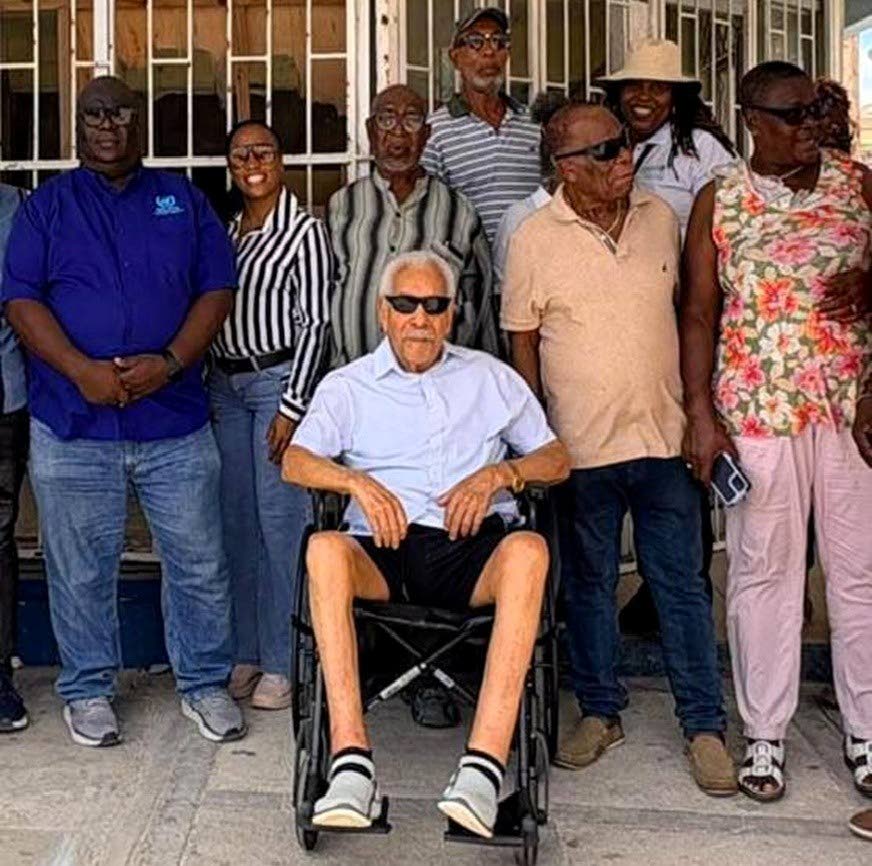 From left: Dennis Zulu (UN Regional Coordinator), Kadian Myers-Brown (President of the Chamber of Commerce), Amb. Byron Blake, Junor Farquharson (Chick’s Bar), Fern Spencer (partly hidden), Trevor Hamilton, Elaine Clemmings (in hat, business totally washed out). Photo - Contributed
-
From left: Dennis Zulu (UN Regional Coordinator), Kadian Myers-Brown (President of the Chamber of Commerce), Amb. Byron Blake, Junor Farquharson (Chick’s Bar), Fern Spencer (partly hidden), Trevor Hamilton, Elaine Clemmings (in hat, business totally washed out). Photo - Contributed
-
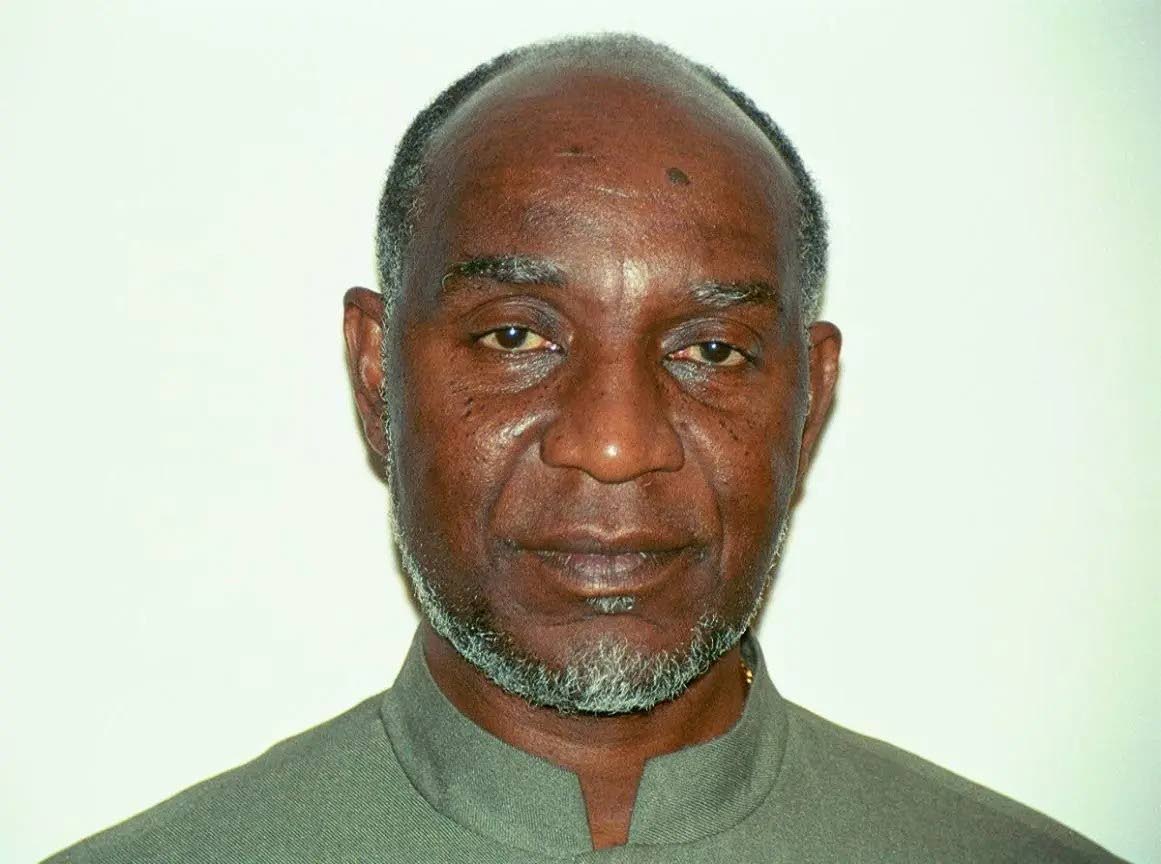 Byron Blake. Photo - Contributed
Category 5 Hurricane Melissa made landfall in Jamaica just outside of Black River on October 28, 2025. The 195-mile-per-hour winds tore through everything in their path while tsunami-like waves washed what remained deep inland.
Businesses, residences, churches, schools, the hospital and clinics, police and fire stations all took their share of the pounding while the occupants and essential-service workers prepared to meet their maker.
One year later, most businesses remain shuttered while some operators, including market vendors, have moved to convenient or less hazardous parts of the streets.
Many relived the reality of Hurricane Melissa on October 1 when the United Nations (UN) Resident Coordinator Mr Dennis Zulu led representatives of several UN agencies on a walk through what was once the heart of the High Street business district. Business owners, in some cases with family members, stood outside the wreckage of what had been their thriving business places, employing varying numbers of community members. With stoic resolve, they recounted their experiences on the day Melissa struck and the days immediately after. Several also spoke of their challenges as days turned to weeks, weeks to months, and months to years.
The psychological and financial impacts of inactivity for an entire year on families and individuals who operated businesses for generations, raised and educated their children, built their names and reputations as businesspeople providing jobs and services to, and markets for, hundreds, if not thousands, of persons from near and far, are difficult to imagine. Some of those businesses were landmarks in Black River.
The walk left little to the imagination. Led by Mr Zulu, the UN agencies wanted first-hand accounts, a reality check. In the midday heat, the owners obliged. Crisscrossing High Street, individual business owners took turns pointing to their building or buildings or vacant spots where their businesses had stood. The physical sites were eerie. Time seemed to have stood still. Shuttered as they were on October 28 against the approaching storm, now, supplies and overturned fixtures and furnishings are visible through broken windows. No clean-up. No signs of repairs. No signs of life.
The challenges proffered by once problem-busting entrepreneurs can be summarised to include:
• No resources or assistance to clean up, restock, or cover new commitments, or help to defray commitments to suppliers, financial institutions, utility providers, and employees incurred before the hurricane.
• Slow, if any, action from their insurers. Many were uninsured or underinsured.
• Uncertainty: No information on the Government’s plan for Black River. About 15 of them on the seaward side have been told by the UDC, recently, that the Government needs their properties and is willing to enter into individual arrangements. Those on the other side of the same High Street have been told to wait for the master plan.
• No consultations, assessment of their losses, or offer of assistance. Proposals by the Jamaica Development Bank, which visited recently, would be indirect and add non-concessional debt to “insolvent” businesses.
Here is a random sample of these businesses:
• Hendriks Wharf: Black River, renowned as the hub of Jamaica’s logwood and pimento exports, the landing site of the first car, and the docking of the infamous Zong slave ship. The wharf was purchased in the late 1950s by Mr Malcolm Sydney Spencer Hendriks and dubbed Spencer Hendriks Wharf. The company expanded it in the 1970s to accommodate the movement of large equipment for Revere Bauxite Company. Anthony and Judith Hendriks now run the business, with a third generation in waiting.
• Sunrise Bakery: Famous for its coco bread, peg bread, and French bread. The recipes have been developed and held by the Lyn family.
• Chicks Sports Bar: The business started about 70 years ago by Leslie Farquharson as a grocery, haberdashery, and bar. He expanded into real estate. In 2003, four years before Leslie passed, his son, Junior Farquharson, took charge and repurposed the main building as Chicks Sports Bar.
• The Globe Store: Reuben Spencer arrived in Black River in 1949 as manager of the Bata Shoe Company. Bata closed in 1957. Spencer bought the Bata property in 1959 and established the family business. With his wife, Gloria, they expanded, acquired new properties, and educated their five children to the tertiary level, while passing down the entrepreneurial spirit.
These and other businesses tell one story: an enterprising St Elizabethan man ventured into business to provide for his family and leave a legacy. Each succeeded until October 28, 2025.
STAND AT A CROSSROADS
The Globe Store demonstrates the dilemma vividly.
Ninety-nine-year-old Reuben Spencer waited patiently in his car as his daughter, Fern Spencer, a devastated businesswoman herself, joined other High Street business owners in the walk from the Bridge/Wharf with the high-level UN multi-agency delegation. As the group walked towards what remained of The Globe Store and other family-owned buildings, Mr Spencer was assisted from his car and wheeled to a shaded section with his back to his building. In an air of suspended anticipation, there were polite introductions, and Mr Spencer smiled brightly.
The awkwardness was only relieved by positioning and repositioning for photographs with the living patriarch of the Black River business district.
No visitor dared ask Mr Spencer, What’s next? While the unvocalised question, visible on Mr Spencer’s seemingly blank face, read: “You well-intentioned and God-fearing Jamaicans and representatives of the international community, are you here to support the Edomites and tear Black River down to its foundation or Nehemiah and seek external resources and work with us who, in hope, had invested our lives’ capital on top of our fathers’ and grandfathers’ to rebuild Black River for us, the people of Black River?”
Ambassador Byron Blake is the former ambassador and deputy permanent representative of Jamaica to the United Nations and former assistant secretary-general to the Caribbean Community. Send feedback to columns@gleanerjm.com