Michael Abrahams | Revisiting Christopher Columbus
Loading article...
-
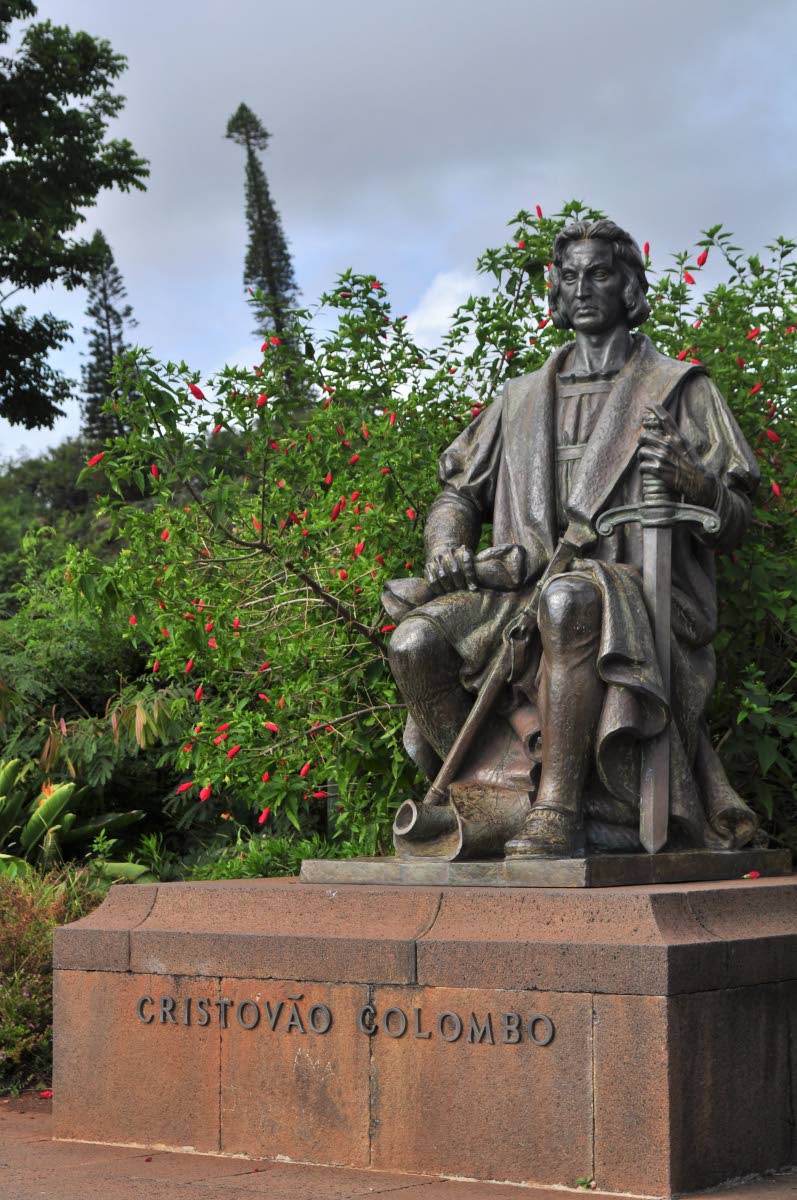 Bronze statue of Christopher Columbus in a garden in Funchal, Madeira. Photo - Leo Pekkar / Pexels
-
Bronze statue of Christopher Columbus in a garden in Funchal, Madeira. Photo - Leo Pekkar / Pexels
-
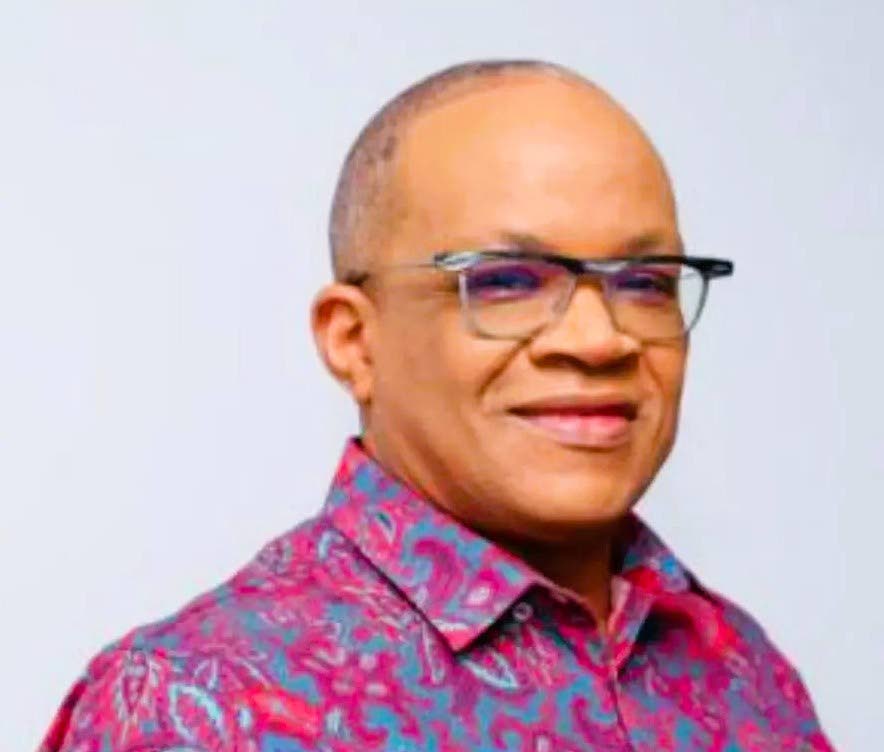 Michael Abrahams. Photo - Contributed
“You teach the youths about Christopher Columbus And you said he was a very great man” – Can’t Blame The Youth - Peter Tosh
When I was in prep school in the 1970s, I was taught that Christopher Columbus discovered Jamaica in 1494. I was told that, when he landed here, he encountered the island’s inhabitants, Indigenous people called Arawaks, and I recall visiting the Arawak Museum in White Marl, St Catherine and seeing artefacts such as clay pots and tools. When my schoolmates and I asked what happened to the Arawaks, we were told that they “died out”. I was told that Christopher Columbus was a great man. It was not until I was much older that I realised how much whitewashing was done during the presentation of Columbus to me in my childhood.
Strictly speaking, Columbus did not really discover Jamaica, because it was already inhabited by Indigenous people hundreds of years before he arrived here. Historians have found that the Tainos, a subgroup of the Arawak people, arrived in Jamaica between AD 650 and AD 1000, preceded by earlier groups like the Ciboney/Guanahatabey, who arrived thousands of years earlier, and the Saladoid people around AD 300. So saying that Columbus discovered Jamaica discounts the relevance of people who were here before and feeds the narrative that white Europeans were the only people who mattered.
We were also given the impression that Columbus was the first European to visit the Americas, but he was not. The Norse explorer Leif Eriksson preceded him, landing on the eastern coast of North America, in what is now Canada, around AD 1000, nearly 500 years before Columbus, and other Norse explorers travelled to that region during subsequent expeditions. Christopher Columbus and his men, however, were the first Europeans to commit horrendous atrocities against Indigenous people in the Americas, including enslavement, torture, mutilation, murder, rape and sex trafficking.
From the outset, Columbus documented his intentions after encountering the Lucayans, another subgroup of Arawaks, in Guanahaní, which he renamed San Salvador Island, in what is now the Bahamas. This was the first place he visited in the Americas in 1492. He wrote: “With fifty men we could subjugate them all and make them do whatever we want”, adding that he “took some of the natives by force”.
Columbus’ goals in the Caribbean were to find gold and slaves. After kidnapping 10 to 25 Lucayans in the Bahamas and taking them to Spain, he returned with 17 ships and 1,200 men, travelling from island to island and capturing more Indigenous people. In 1495, during a large slave raid from his base at the Spanish settlement of La Navidad on the island of Hispaniola (present-day Haiti and the Dominican Republic), the first place he colonised after arriving in the Caribbean in 1492, Columbus and his men captured and loaded about 500 to 550 Arawak men, women and children onto four caravels bound for the slave markets of southern Spain. About 200 of the captives died during the voyage, and their bodies were thrown into the ocean. The survivors were sold at auction. Columbus later wrote: “Let us, in the name of the Holy Trinity, go on sending all the slaves.”
Many of the atrocities were documented by eyewitnesses. Bartolomé de las Casas, a young priest who participated in the conquest of Cuba, wrote A History of the Indies, in which he described horrific acts. He wrote that the work of Columbus and his men “was to exasperate, ravage, kill, mangle and destroy” and that they “committed irreparable crimes against the Indians”, including testing the sharpness of blades on them by cutting them in half, beheading them in contests, and throwing them into vats of boiling soap. He also wrote about suckling infants being lifted from their mothers’ breasts and dashed headfirst against large rocks.
In Las Casas’ view, greed for gold lay at the centre of the Spanish atrocities. For instance, although the province of Cicao in Haiti had little gold, Columbus ordered all natives ages 14 years or older to collect a set amount every three months, setting quotas that were nearly impossible to meet. Those who failed to collect enough had their hands cut off, and those who fled were hunted down and killed. Las Casas also documented montería infernal, the infernal chase, or manhunt, in which Spaniards used fierce dogs ( perros bravos) to track down, maul and execute native populations, sometimes feeding babies to them, while also using the activity for sport. In addition, butcher shops throughout the Caribbean sold Arawak bodies as dog food.
The persecution of the Arawaks was so severe that, in some locations, they began committing mass suicide. Some consumed cassava (yuca) poison and fed it to their infants to save them from the Spanish. Others hanged themselves or leapt off cliffs. Rape and sex trafficking were also rampant. Michele de Cuneo, a close friend of Columbus, wrote an account of his relationship with an Indigenous woman Columbus had “given” to him. He wrote that, when she attempted to resist his sexual advances, he “took a rope and thrashed her well, for which she raised such unheard-of screams that you would not have believed your ears”. Children were not spared, as Columbus himself wrote in a letter to Doña Juana de la Torre, a confidante of Queen Isabella, in 1500, that girls “from nine to ten are now in demand”.
Columbus’ behaviour during his governorship of Hispaniola was so cruel and reprehensible that a royal commissioner arrested him in 1500 and took him back to Spain in chains. He was stripped of his title of governor, but King Ferdinand later pardoned him and subsidised a fourth voyage.
The historic relevance of Christopher Columbus is undeniable. However, the praise and reverence accorded to him over the years are unjustified and an insult to those who perished or were tormented during his brutal expeditions.
Michael Abrahams is an obstetrician and gynaecologist, social commentator, and human-rights advocate. Send feedback to columns@gleanerjm.com and michabe_1999@hotmail.com, or follow him on X @mikeyabrahams.