Matthew Smith, Matthew Stallard and Frankie Chappell | Narrating stories of the enslaved people of Jamaica
Loading article...
-
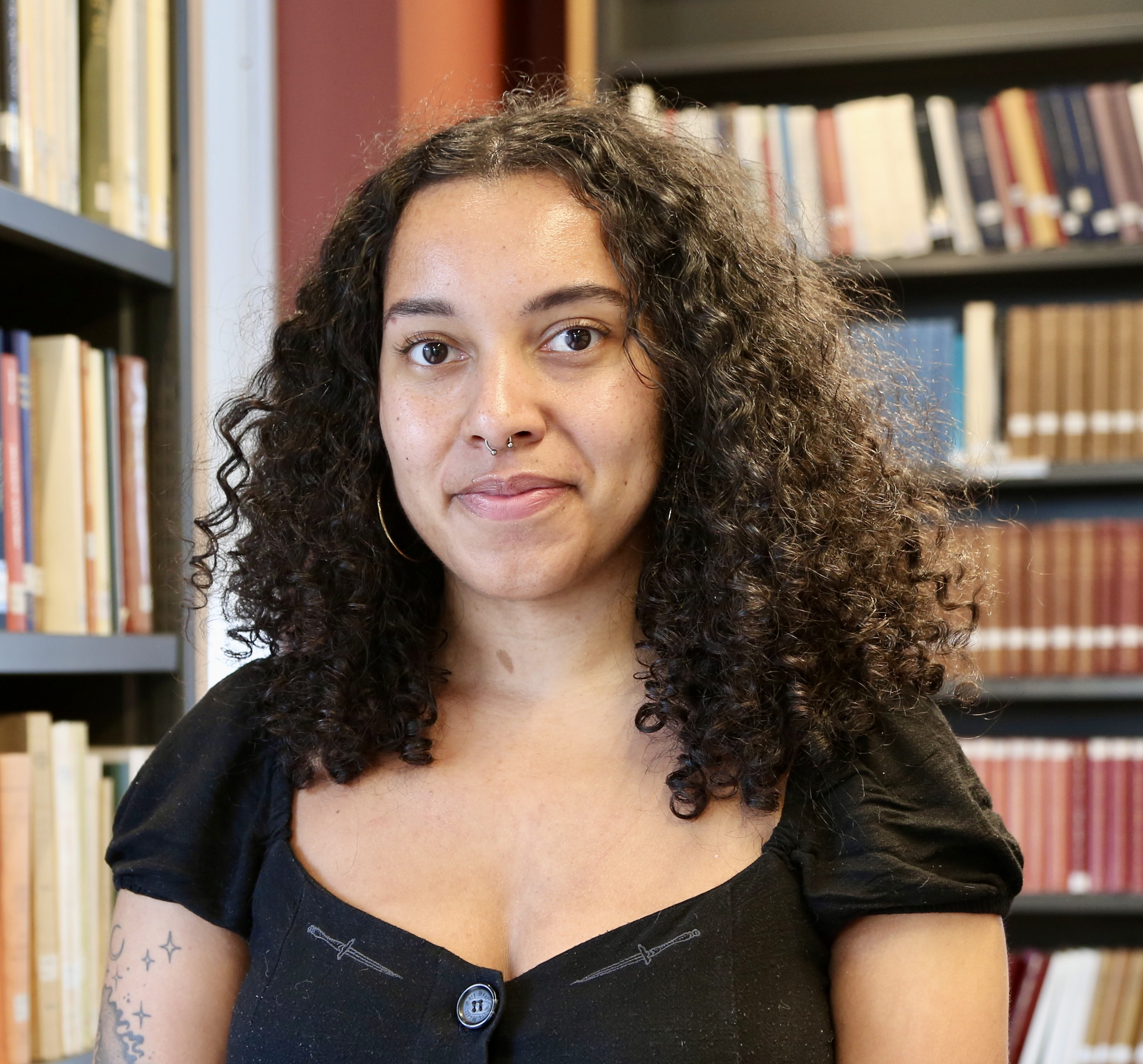
Frankie Chappell
-
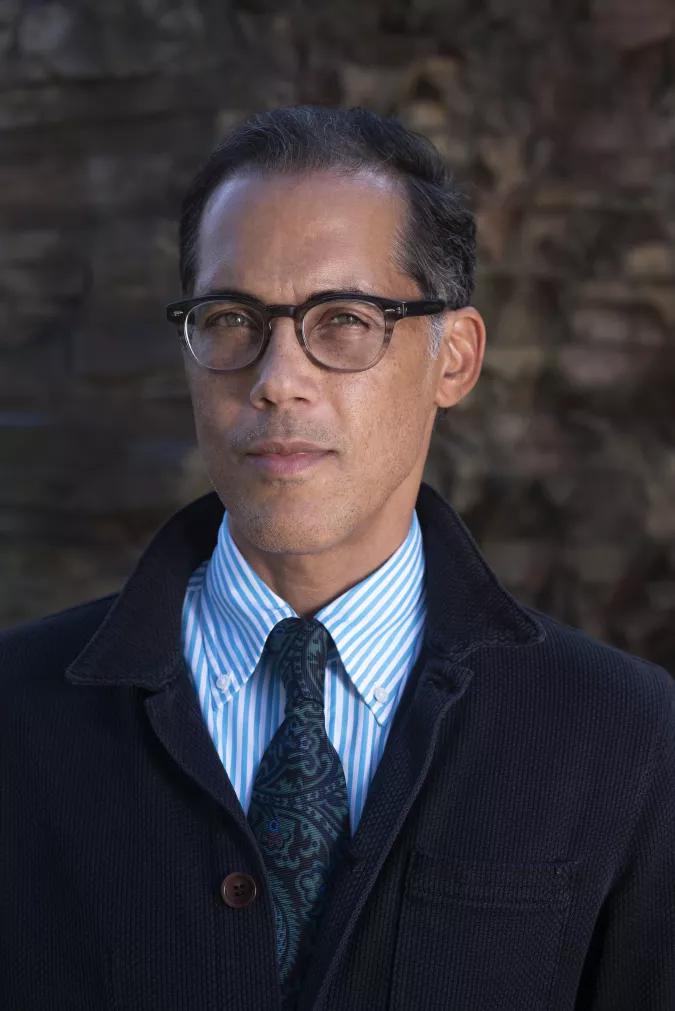
Matthew Smith
-

Matthew Stallard
Photo caption: Ankle shackles, some child-sized, recovered from the wreck of the British slave ship Henrietta Marie, are displayed at the Mel Fisher Maritime Museum in Key West, (AP Photo)
For 200 years, the most extensive records of pre-Emancipation Jamaicans have sat in London – originally in the old Public Record Office at Kew and now in The National Archives, UK. These Registers were recorded every three years for the period 1817 to 1832. Fifty years ago, they were the basis of B.W. Higman’s book Slave Population and Economy in Jamaica, 1807-1834.
Over the next three years, the Valuable Lives project will make the records of over 300,000 people, including details of the last generation of enslaved Africans in Jamaica, available freely and openly to a Jamaican and global audience through an innovative new website and cutting-edge database.
Detailed data work from our team at the Centre for the Study of the Legacies of British Slavery at the University College London will transform these documents from the repressive intention of their creators in the nineteenth century into what is essentially a series of six full censuses containing every person held in enslavement in Jamaica in the crucial two decades before Emancipation. In many thousands of cases, the partial and incomplete sources are the only surviving inscription we have today of an individual’s existence and personhood.
The lack of access to these unique records and the understanding and connection they can offer to the past is just one of the many complex and intertwined legacies of enslavement and colonisation. Rather than just digitising the Registers in their original format, we will create a free site that allows for exploration and discovery by town, village, estate, and parish as well as detailed searching tools for information on individual ancestors.
We believe that Valuable Lives has the potential to drastically change how we relate to and understand the history of slavery in Jamaica in a wide variety of ways.
What would it mean to Jamaicans to be able to quickly navigate to a map of their local area or hometown or village and be able to pull up detailed information on the lives of individuals and whole communities that lived there under the slavery system over 200 years ago?
How would learning what we can about their daily experiences, relationships, and the work over generations to build communities, to resist and to survive despite exploitation and violence, help shape how we remember our ancestors in Jamaica today and in the future?
Our first pilot work to explore the types of community, personal, and family stories that the Registers data allow us to tell is centred in our interactive New World Royalists website. The project takes visitors on a virtual journey – first to historic Port Royal town, arriving at the Women’s Gaol, which still stands today, where we come across the story of Amy and Sue and their family.
We then journey up to Bloxburgh, high up in the Blue Mountains of St Andrew but formerly part of Port Royal parish until 1867. We present the Registers information that records every person enslaved between 1817 and 1832 but are then able to show how we can enrich that into deep, meaningful community and family stories by bringing other historical sources together to show the challenges and development through apprenticeship and then freedom.
Through painstaking work, we were also able to generate family trees over five generations stretching from Africa in the 1760s to 1900s Jamaica and present these to present-day Bloxburgh residents, some of whom immediately were able to locate their ancestors.
Our centre currently holds the Legacies of British Slavery database, which traces how the £20 million of compensation paid to enslavers at Emancipation and the profits of Jamaica’s largest estates was funnelled into economic development, industry, and institutions across Britain in the 1800s. Viewed over 3 million times, the current website has generated thousands of new research papers, discoveries, and media reports and spurred a sea change in the understanding of Britain’s huge historic debt to the Caribbean and provided the evidence to support growing calls for reparation and restoration.
While that work continues to grow in scale and impact, the story it can tell us is still hugely incomplete while the focus remains on finance and profits. With Valuable Lives we are shifting our focus strongly into recovering and presenting the experiences of the tens of thousands of people whose labour generated that wealth and the communities and culture they forged despite that adversity, which continues to shape lives today.
Our team will be involved in a lot of hard work over the coming three years as we begin to shape the design and presentation of the site, and we are looking forward to working with Jamaicans at home and across the diaspora to ensure that we are making this vital new resource as accessible and engaging and respectful as we can and that we think deeply and collectively about how we give due reverence and care to presenting these records created through violence in a way that acknowledges and memorialises the people whose lives appear to us, however partially, through them.
Through the creation of this new resource, we hope to put these thousands of Valuable Lives into the service not just of historians but of genealogists, educators, artists, students, communities, and descendants in Jamaica and across the world and open huge potential for response, reflection, and research.
Members of the public interested in the project are encouraged to reach out to the research team at ValuableLivesProject@gmail.com.
Matthew Smith is professor of Caribbean History and director of the Centre for the Study of the Legacies of British Slavery (CSLBS); Matthew Stallard is research associate at the CSLBS, and Frankie Chappell is a research assistant for the Valuable Lives project.