Jalil Dabdoub | The courage to put Jamaica first
Loading article...
-
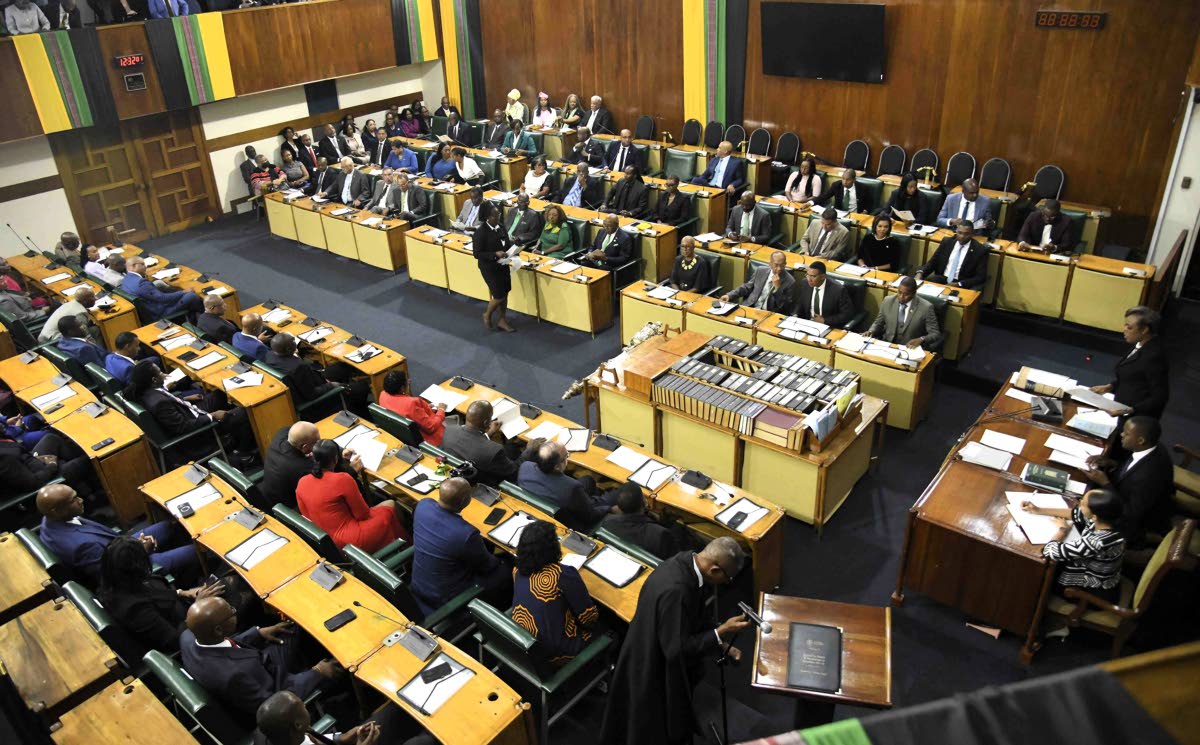 Members of Parliament before at the swearing-in ceremony for members of the upper and lower houses of Parliament held on September 18, 2025 in Gordon House.
-
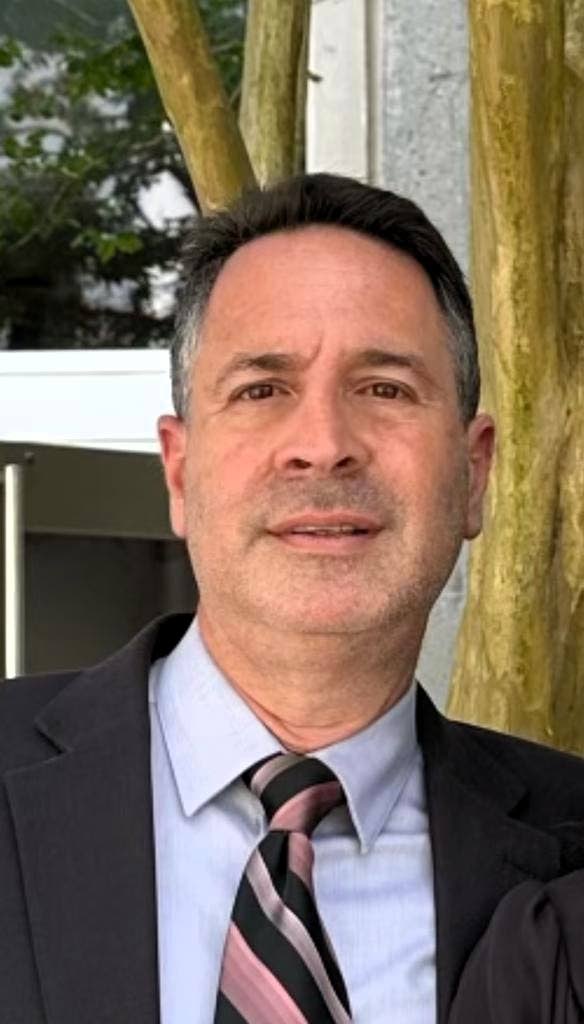
Jalil Dabdoub
Jamaica has always needed leaders who understand that there are times when politics must give way to something greater, when political advantage becomes secondary to the national interest, and when a leader must be prepared to say: “This may not help me or my party politically, but it is the right thing for Jamaica.”
We have had a number of such moments in recent times. One came on election night. Another came with the reported leaked voice notes concerning NaRRA. In both instances, an opportunity for leadership was presented. In both instances, our leaders failed to fully seize the moment afforded them.
When PM Holness stood before the country on election night, he had an opportunity few politicians are afforded. He had just won a third term. The political contest was over. He had been entrusted with the office of PM and, with it, the responsibility to lead all Jamaicans, including those who did not vote for him.
That was the moment for statesmanship, to lower the political temperature, reach across the divide and make clear that the campaign was over and governing Jamaica had begun.
Instead, the occasion was marred by emotional remarks not in keeping with the responsibility and solemnity of the moment.
Victory is not merely a political achievement. It is an opportunity to serve the nation. Holness could have told Jamaica: “I am now PM for everyone.” He missed that opportunity.
Mark Golding now faces his own leadership moment.
The leaked voice notes, if authentic and accurately represented, raise deeply troubling questions about whether individuals associated with the PNP contemplated undermining NaRRA and attacking the credibility of its leadership.
But there is a larger question than whether the conduct was authorised by the party leadership. It is, if this happened, is it acceptable?
Even if the recordings ultimately prove incomplete, misleading or unauthenticated, their emergence provides an opportunity for a political leader to state clearly the principles by which his party intends to conduct itself.
Golding had an opportunity to say unequivocally that political opposition has limits. Opposition is essential to democracy. But opposition cannot mean deliberately undermining a national initiative simply because the Government might benefit politically from its success.
A strong Opposition should expose governmental failure, challenge bad policy and hold the Government accountable. But there is a line beyond which responsible leadership must say: “No. We do not do that.”
OPPORTUNITY TO DRAW
That is the line Golding had an opportunity to draw.
He should have made clear that, if members of his party were found to have contemplated or engaged in such conduct, it would be unacceptable; that the allegations would be investigated; and that appropriate disciplinary action would follow if wrongdoing were established. He should also have committed the party to reporting its findings and any action taken to the nation. Most importantly, he should have made it abundantly clear that there is no place at any level of the People’s National Party (PNP) for such conduct or such an approach to politics. If the party expects to hold the Government to a standard of conduct and accountability, that same standard must apply equally to the PNP and its members.
Instead, the response focused primarily on distancing the party and its officers from the recordings, emphasising that the conversation did not take place in an official party forum, and that the views expressed were personal, not official PNP policy.
That may answer the question of formal party responsibility. But it does not answer the larger question of leadership: regardless of whether or not the views were officially authorised, does the leader unequivocally condemn the conduct and make clear that it is unacceptable?
The circumstances surrounding Holness and Golding are different. The leadership test is the same.
When political advantage conflicts with the national interest, that is when leadership is tested. Putting Jamaica first is easy when it costs nothing. The true test comes when doing the right thing carries a political price.
If principle requires that price, let the leader pay it. That is not failure. That is leadership.
Anyone can take the popular position or follow the polls. The true test comes when a leader knows the principled position may cost him politically and takes it anyway.
Our politics has become too tribal. Too often, the first questions are:
How does this help my party?
How does it hurt the other party?
Who gets the credit?
That is the wrong order. The first question must always be: What is best for Jamaica?
If the Government does something right, the Opposition should support it, even if the Government gets the credit. If the Opposition has the better idea, the Government should adopt it, even if the Opposition receives the political benefit.
Some may say this vision of leadership is idealistic, even impractical. They may argue that politics requires compromise, calculation and an acceptance of political realities. Of course it does.
But compromise cannot become an excuse for abandoning principle, and pragmatism cannot become a substitute for having principles in the first place.
If our vision for Jamaica must be so diluted by political calculation that it can no longer demand sacrifice, courage or principle, perhaps the vision was never substantive enough to make a meaningful difference.
Real change rarely begins with what is merely convenient or politically safe. It begins with leaders being willing to imagine something better, demand something better, and pay a political price to pursue it.
Jamaica no longer needs politicians willing to do the right thing only when it is politically safe. It needs leaders willing to do the right thing when it is politically inconvenient.
Jalil Dabdoub is an attorney-at-law. Send feedback to columns@gleanerjm.com