Shirley Botchwey | The Commonwealth has 2.7 billion reasons to act
Loading article...
-
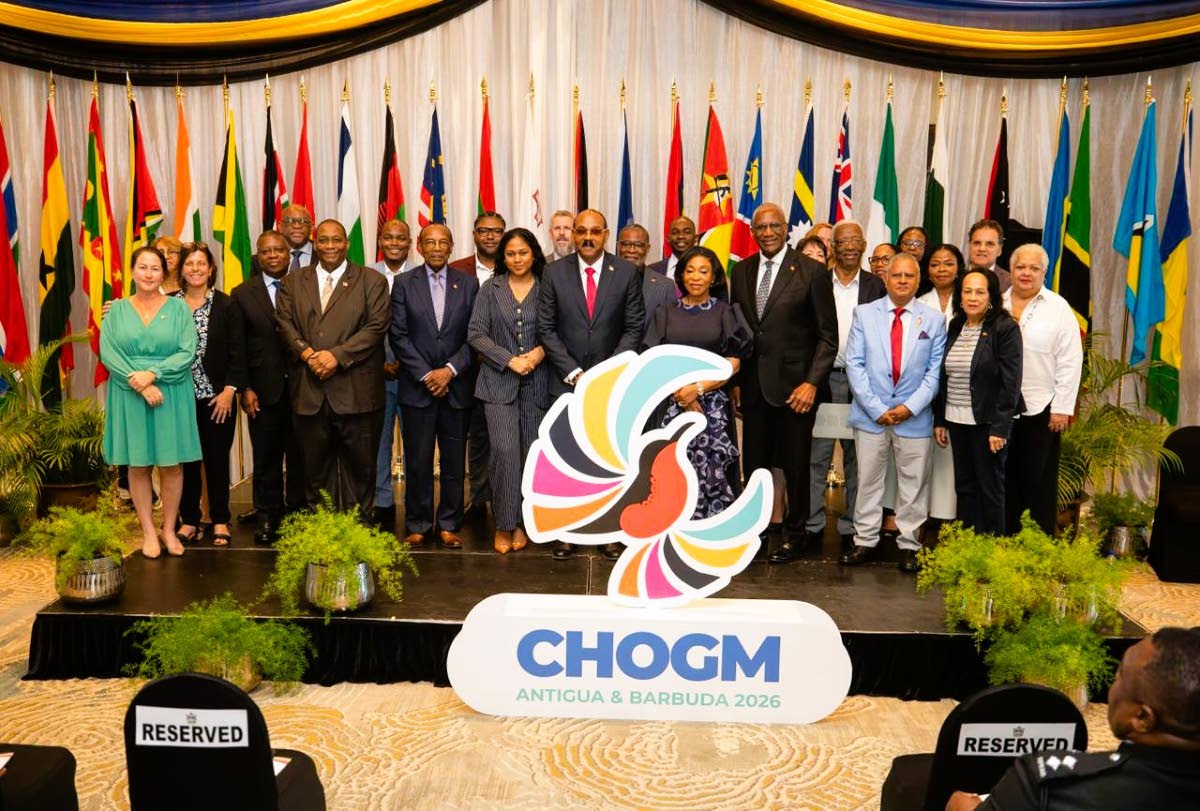 Dignitaries pose for a photo at the launch of the CHOGM 2026 in St. John’s, Antigua and Barbuda in November 2025. Photo - Commonwealth Secretariat
-
Dignitaries pose for a photo at the launch of the CHOGM 2026 in St. John’s, Antigua and Barbuda in November 2025. Photo - Commonwealth Secretariat
-
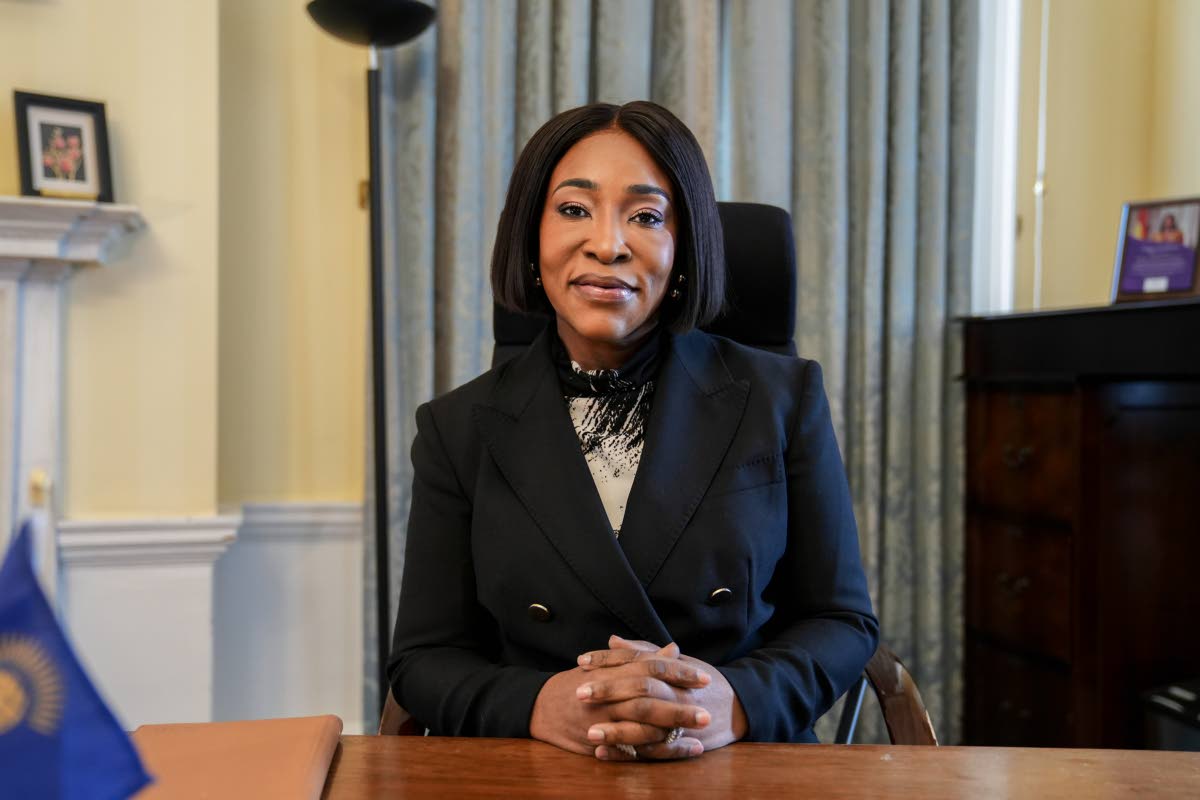 Shirley Botchwey, secretary-general of the Commonwealth. Photo - Contributed
Ours is not a new realisation. The Commonwealth is responding to what world leaders have acknowledged for many years: ‘business as usual’ cannot reverse the unsustainable course on which the world finds itself, from economic to climate crises and the growing lack of trust in governance institutions, both national and multilateral.
Economic uncertainty, job insecurity, and rising prices are leaving a generation of young people across the world unable to plan with confidence for their futures, while social-protection systems are weakening under the burden of slow growth. AI is outpacing our ability to fully grasp its impacts or regulate it, creating as many threats as opportunities. For many, the promise of new technology brings a more immediate concern: whether they will have the skills, opportunities, and security they need to build a decent future.
At the same time, increasingly severe weather is disrupting lives, livelihoods, and food security, intensifying competition over scarce resources, fuelling conflict, and contributing to growing patterns of migration. These pressures are interconnected. A climate shock can undermine a family’s livelihood; a lack of economic opportunity can drive migration, and weak infrastructure can make communities more vulnerable to both.
While many multilateral institutions are perceived to be paralysed in the face of the growing global fracture, the Commonwealth, because of its history of reaching consensus on the most intractable issues and its common values, has recognised this as its moment of opportunity. Its leaders have signalled support for changing track: asking the difficult questions and rallying around solutions that are bold, innovative, and ambitious enough to respond to the expectations of the 2.7 billion people of the Commonwealth.
The Commonwealth is well-positioned for a breakthrough. Our 56 countries span every region of the world and include some of its largest economies and populations and some of its smallest and most vulnerable states. We bring together different histories, experience, and perspectives but also a shared commitment to cooperation. That diversity can be a strength: it allows us to connect countries and partners that might not otherwise sit around the same table.
That is why, when our leaders meet next week in the Caribbean island nation of Antigua and Barbuda, Commonwealth countries, with their different histories, economies, and perspectives, will reinforce our fresh approach, our new direction.
Together, with Commonwealth businesses, development banks, international financial, trade and climate institutions, private investors and civil society, as well as youth and women’s groups, we will create new partnerships and unlock investment. We want to turn the priorities identified by our countries into practical projects and action, focusing on climate, infrastructure, trade, and the digital economy. The ambition is not simply to mobilise more money but to make sure that finance reaches the projects and communities where it can have the greatest impact.
For the first time at a Commonwealth Heads of Government Meeting (CHOGM), investors and development partners will be included in our substantive deliberations. No country can act alone in the face of today’s global challenges. Neither should any sector act alone. We need governments, development institutions, and the private sector working together if we are to mobilise the scale of finance, expertise, and innovation required.
Our new investment platform, launched ahead of CHOGM, is an important first step. It brings together 69 projects worth $34 billion across 20 countries and 10 sectors, with a particular focus on clean energy, transportation, and logistics. It marks the start of a dedicated effort to connect Commonwealth countries with the investment and expertise they need to turn ambition into action.
But investment is only one part of the picture. Countries also need the right conditions to grow: access to markets, affordable finance, reliable infrastructure, digital connectivity, and a workforce equipped with the skills needed for the jobs of tomorrow. That is why the wider agenda at CHOGM matters, too.
CHOGM 2026 will see commitments from leading investors to support Commonwealth countries in areas including youth skills and entrepreneurship, science and innovation, and the transition to net zero.
This year’s meeting will also focus on making it easier for Commonwealth countries to trade with one another, developing a shared approach to sustainable debt and affordable finance for countries most vulnerable to economic and climate shocks, and setting out how we will build on this investment agenda in 2027.
Taken together, these efforts are about putting people at the centre of multilateral cooperation and shaping responses to the realities they face rather than to what the development cooperation agenda offers. It is about moving beyond declarations and towards partnerships that can deliver and ensuring that cooperation between countries results in opportunities for people and businesses.
The task now is to turn these commitments into something people can see and feel: a job created, a business grown, a community made more resilient, a young person given the skills and opportunity to build a future, a future driven by strong demand from a consumer market of 2.7 billion people.
That is what meaningful multilateralism should deliver. And with 2.7 billion people counting on us, there is no shortage of reasons to make it work.
Shirley Botchwey is the secretary-general of the Commonwealth.