Chef Scotley Innis elevates Jamaican flavours
Loading article...
-
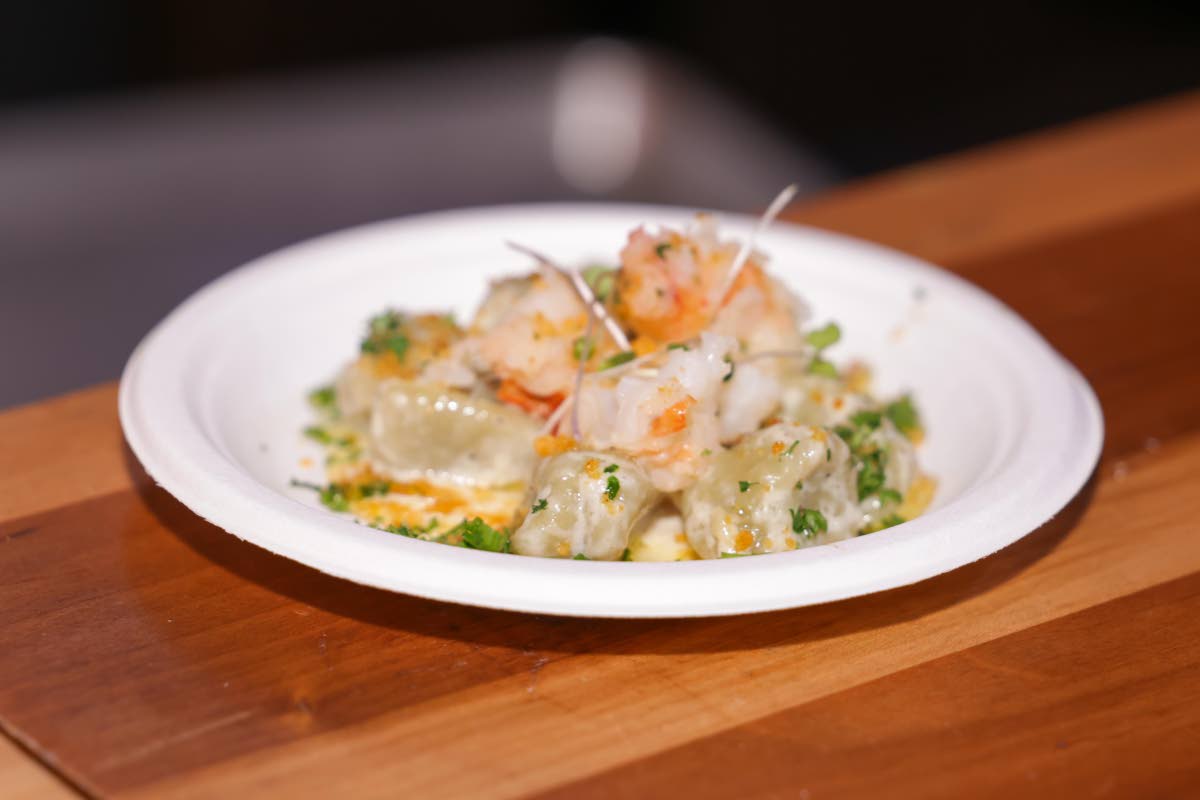 Chef Scotley Innis’ lobster gnocchi combines tender lobster with pillowy gnocchi and a Jamaican twist.
-
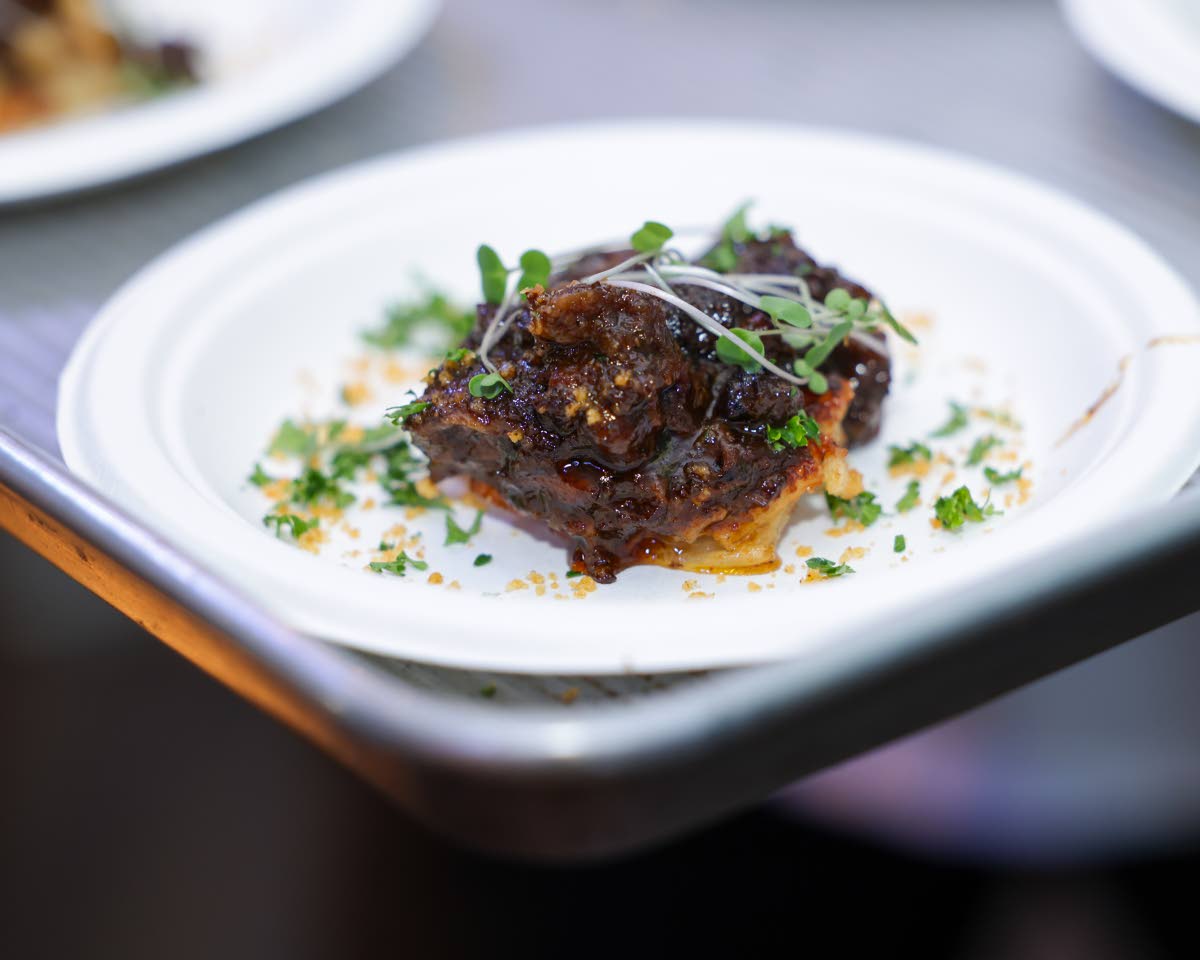 Chef Scotley Innis transforms tradition into culinary artistry with his oxtail pavé.
-
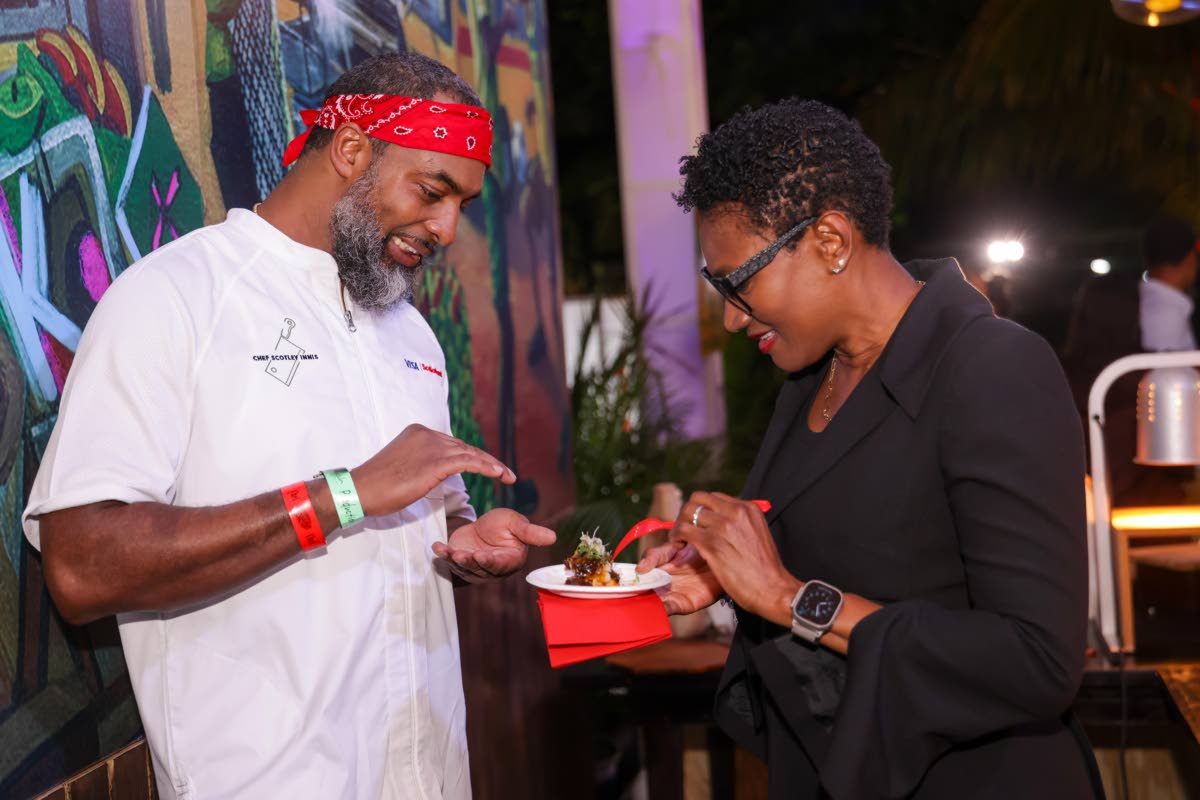 Audrey Tugwell Henry, president and CEO, Scotia Group Jamaica, speaks with Chef Scotley Innis on his bold Kuyah menu.
-
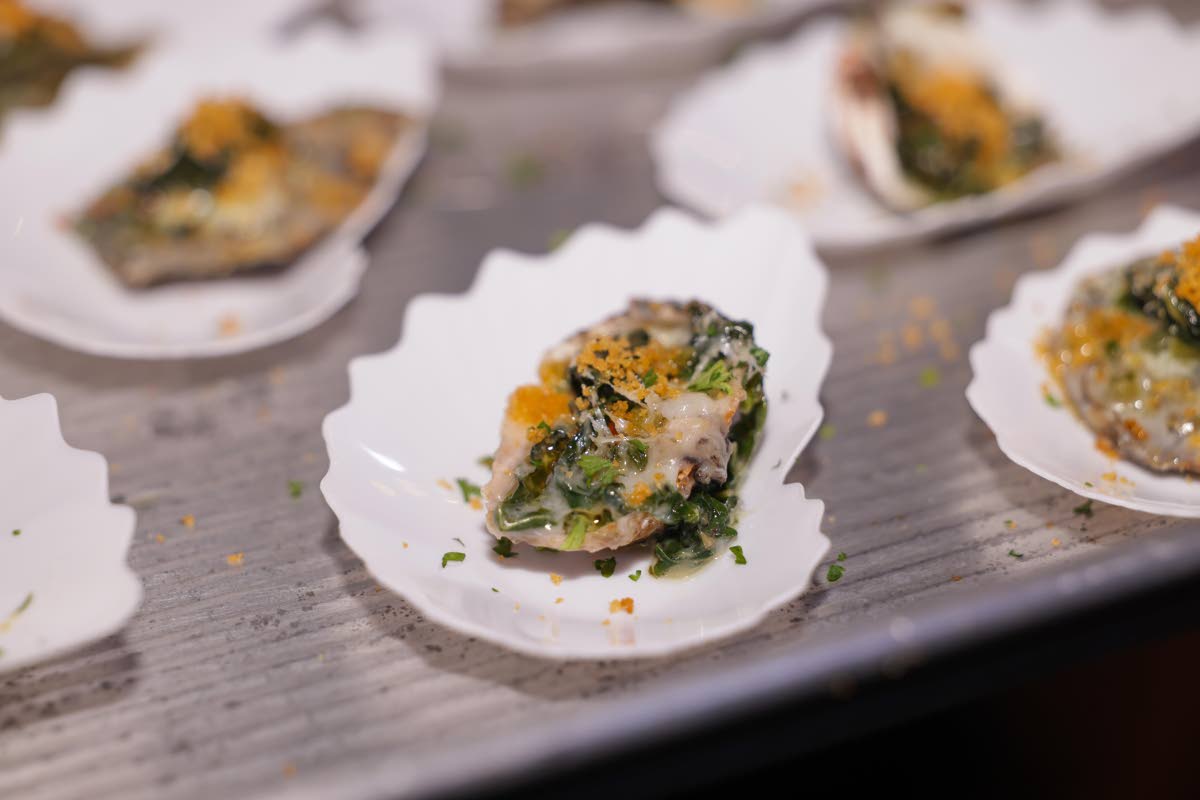 The ‘yard mon’ oyster blends callaloo and Scotch bonnet pepper.
-
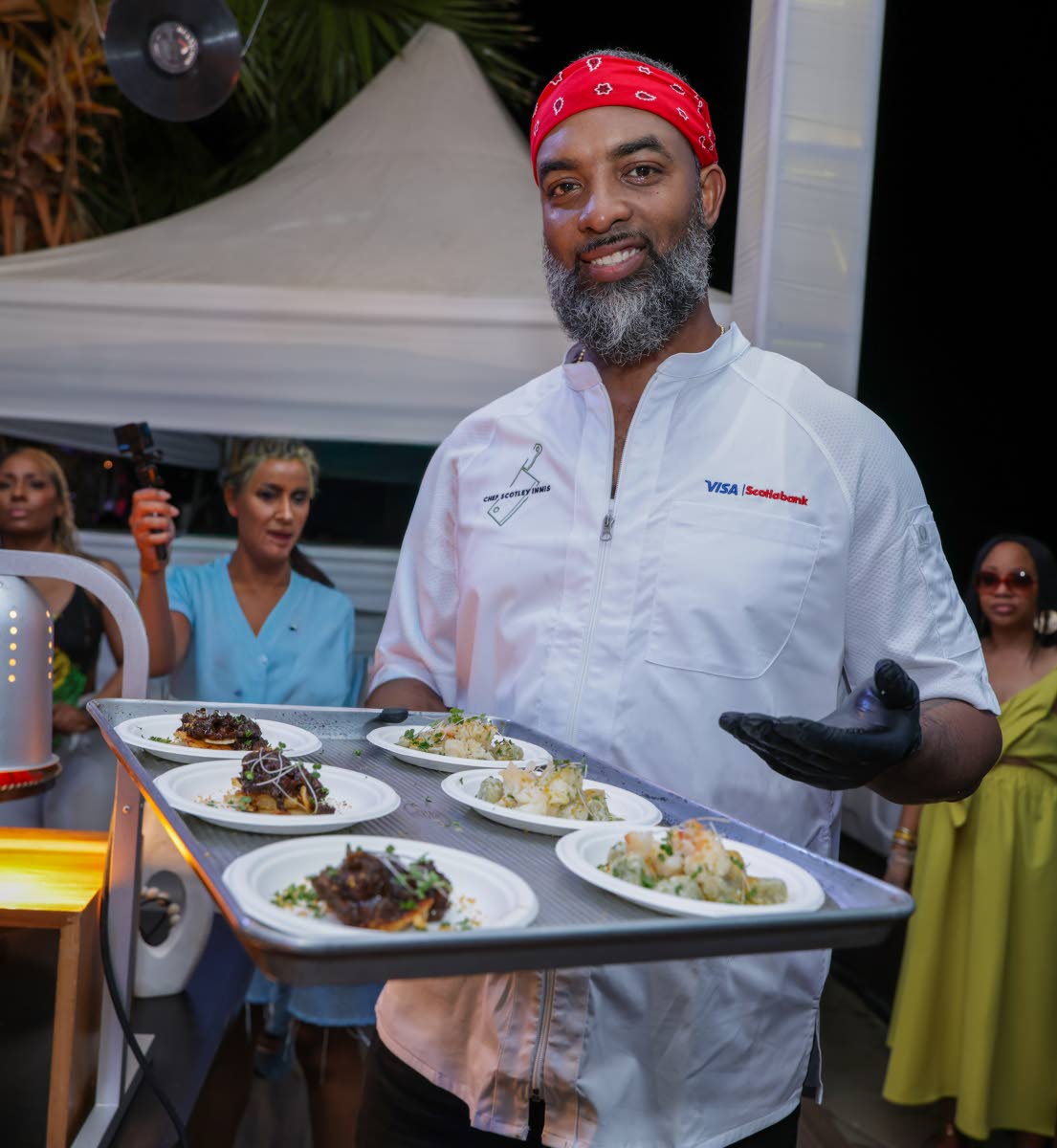 It’s more than food for Chef Scotley Innis. His creations are a story of culture, craft, and creativity.
Born in the Bronx to Jamaican parents, Chef Scotley Innis is known for reimagining traditional Caribbean flavours through a contemporary lens.
These bold flavours took centre stage at Kuyah during the Jamaica Food and Drink Festival, where the internationally acclaimed chef delivered a menu that blended Caribbean heritage with modern culinary technique.
Innis has spent more than two decades carving out a reputation as a restaurateur and culinary creative. His culinary journey has taken him through professional kitchens across the Caribbean and the United States, with his style shaped by experience in high-level kitchens, mentorship, travel, and the influence of French technique, Asian flavours, and modern American cooking.
With his Kuyah appearance made possible through the partnership of Scotiabank and Visa, he paid homage to his heritage at the Scotiabank booth with dishes such as oxtail pavé, lobster gnocchi with a callaloo and Scotch bonnet beurre blanc, and his signature ‘yard mon’ oysters, offering guests a taste of Jamaican ingredients presented in unexpected ways.
Chef Innis shared the inspiration behind the menu and his approach to celebrating Jamaican flavours on a global stage.
What excited you most about being part of the Kuyah experience, and what did you want guests to feel when they tasted your dishes that night?
What excited me most was the opportunity to celebrate Jamaican culture at a high level. Events like Kuyah bring together chefs, flavours, and stories from all over. When guests tasted the dishes that night, I wanted them to feel surprised, proud, and connected to the culture. Jamaican cuisine deserves to stand on the same global stage as any other, and I’m always looking for ways to make that happen.
Your menu featured dishes like oxtail pavé and ‘yard mon’ oysters, which creatively incorporate Jamaican flavours. What inspired these combinations, and how did you approach blending your culinary style with local ingredients?
These dishes come from respecting tradition while presenting it differently. Oxtail is one of the most iconic flavours in Jamaican cooking, but instead of the traditional stew, I wanted to elevate it into something more refined, almost architectural, while keeping its soul.
The ‘yard mon’ oyster was created a few years ago and is now a staple at my restaurants. It brings Jamaican ingredients into a classic seafood experience. By incorporating flavours like callaloo and Scotch bonnet, we’re telling Jamaica’s story through a dish people might not expect. For me, it’s always about honouring the ingredient while pushing creativity.
As an international chef working in different culinary spaces, how do you go about learning and respecting the flavours and traditions of a country like Jamaica when creating dishes?
It starts with respect. You have to understand the history before reinterpreting it. That means talking to local cooks, visiting markets, understanding the ingredients, and tasting everything. My roots are Jamaican, so there’s already a personal connection, but even then, I approach it with humility. Our food carries generations of culture and survival, so when you cook with these flavours, you’re telling a story that deserves to be heard.
The Kuyah event highlighted bold flavours and creativity. Can you walk us through the process of designing the menu for the evening and deciding which dishes would best represent your culinary perspective?
Designing a menu like this starts with balance. I think about textures, flavours, temperatures, and storytelling. For Kuyah, I wanted dishes that capture the Jamaican spirit and a sense of celebration. The goal was for the dishes to feel familiar yet unexpected. I built the menu to showcase Caribbean ingredients, modern culinary techniques and elevated visual presentation.
Jamaican cuisine is known for its depth, spice, and cultural heritage. After working with these flavours, what stood out to you most about Jamaica’s food culture, and how might it influence your cooking going forward?
What stands out most is how deeply food is tied to identity. In Jamaica, food is about family and community. Spices, pimento wood, fresh herbs, and slow cooking techniques spark conversations and tell stories. Even simple interactions, like talking with a local driver about jerk chicken, reveal how central food is to [the] community. It’s a reminder of the depth and potential of our cuisine, and I’ll continue to explore these influences in my cooking moving forward.
lifestyle@gleanerjm.com