Blood test or rectal exam?
Loading article...
-
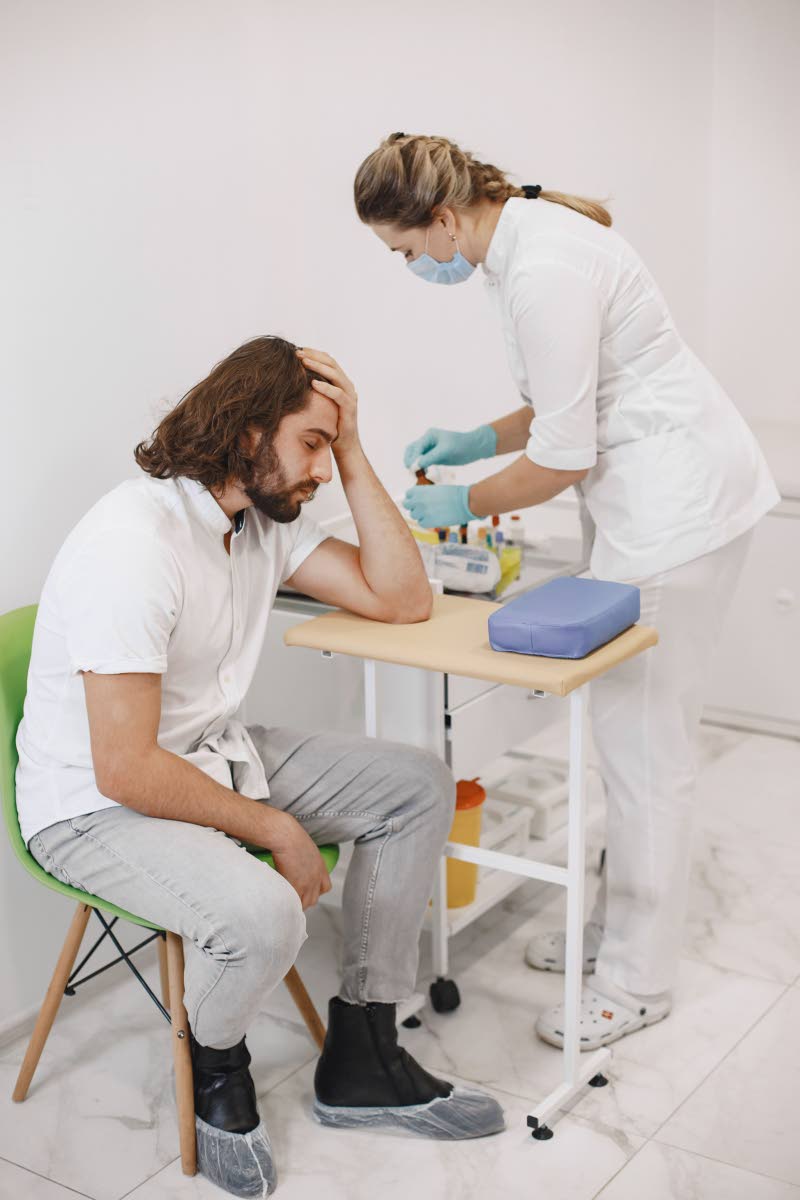 Photo - pexels.com
-
Photo - pexels.com
-
 Photo - pexels.com
For a man who has been putting off a prostate check because he fears “the finger”, there is something worth knowing: prostate cancer screening can begin with a blood test.
You do not have to agree to a rectal examination before having a prostate-specific antigen, or PSA, test.
But, does that make the blood test better? And does it mean the rectal examination is no longer useful?
The answer could help more Jamaican men take that first step towards protecting their health.
Why this matters in Jamaica
Prostate cancer is the most commonly diagnosed cancer among Jamaican men and their leading cause of cancer death. The International Agency for Research on Cancer (IARC) estimates that Jamaica had 1,394 new prostate cancer cases and 809 deaths from the disease in 2024. Prostate cancer accounted for approximately 38.5 per cent of new cancers among men. These are population estimates, rather than a count from every local clinic.
Behind those numbers are fathers, brothers, partners and friends.
For Jamaican men of African ancestry, the conversation deserves particular attention because black men are at increased risk. A father or brother with prostate cancer adds another reason to discuss screening early. National Cancer Institute
Is PSA testing better for screening?
As an initial screening test, PSA is generally more useful than a rectal examination alone. The American Cancer Society states that the rectal examination is less effective than PSA testing at finding prostate cancer, although it can sometimes identify abnormalities when PSA is normal. American Cancer Society
PSA is a protein made by the prostate. The blood test measures how much is circulating in your bloodstream.
It can flag a potential problem before symptoms appear. However, a raised result does not automatically mean cancer, and a low result cannot completely rule it out.
Think of PSA as information that helps guide the next decision. It is not a diagnosis.
Does the finger examination still have a role?
During a digital rectal examination, or DRE, a doctor gently inserts a gloved, lubricated finger into the rectum to feel the prostate for suspicious hardness, lumps or irregularities.
It provides information that a blood test cannot provide, but it cannot feel every part of the gland or detect every cancer. A normal examination does not give an all clear.
Your doctor may recommend it alongside PSA or during further assessment, particularly if there are symptoms or concerning findings. The examination should be explained and performed with your consent. (American Cancer Society)
The practical message is simple: fear of the examination should not stop you from discussing screening or having an appropriate PSA test.
When should Jamaican men start the conversation?
For black Jamaican men, ages 40–45 are a reasonable time to begin discussing personal risk and whether to have a baseline PSA test. Some guidelines recommend starting screening discussions earlier for men with strong family histories or inherited cancer-risk mutations.(National Cancer Institute)
For average-risk men, the American Cancer Society recommends discussing screening at 50, provided they are expected to live at least another 10 years. Testing frequency should depend on your PSA result, risk and overall health. Every man does not automatically need an annual test. In older men or those with serious health conditions, the possible benefit may be smaller.
A high PSA needs follow-up, not panic
An enlarged prostate, inflammation or infection can raise PSA. Recent ejaculation can temporarily affect the result, while medicines such as finasteride can lower it.
Depending on the circumstances, your doctor may repeat the test, arrange a urology review, request an MRI or recommend a biopsy.
Screening also has potential downsides: false alarms, unnecessary investigations, and detection of slow-growing cancers that might never cause harm. Unnecessary treatment can affect urinary control and sexual function. That is why testing should involve an informed discussion and a follow-up plan.
If you have blood in your urine, persistent urinary changes or unexplained pain, seek medical assessment. Investigating symptoms is different from routine screening.
Take the first step
At MDLink Diagnostic Laboratory, men can access PSA blood testing and arrange a doctor’s review to understand the result and appropriate next steps.
Visit theMDLink.com or our main laboratory at 12B Premier Plaza, Kingston, to ask about PSA testing.
Your prostate health deserves more than a conversation about “the finger”. Start with your risk, discuss your options and make sure your results are followed up.
Dr Ché Bowen is a medical doctor, digital health entrepreneur, and CEO of MDLink (Diagnostic Laboratory | Digital Health).