From deadly diagnosis to a decade of survival - Immunotherapy changes the fight against advanced melanoma
Loading article...
-
 Dr Atif Hussein, a haematologist and oncologist at Memorial Cancer Institute, part of Memorial Healthcare System in South Florida. Photo - Contributed
-
Dr Atif Hussein, a haematologist and oncologist at Memorial Cancer Institute, part of Memorial Healthcare System in South Florida. Photo - Contributed
-
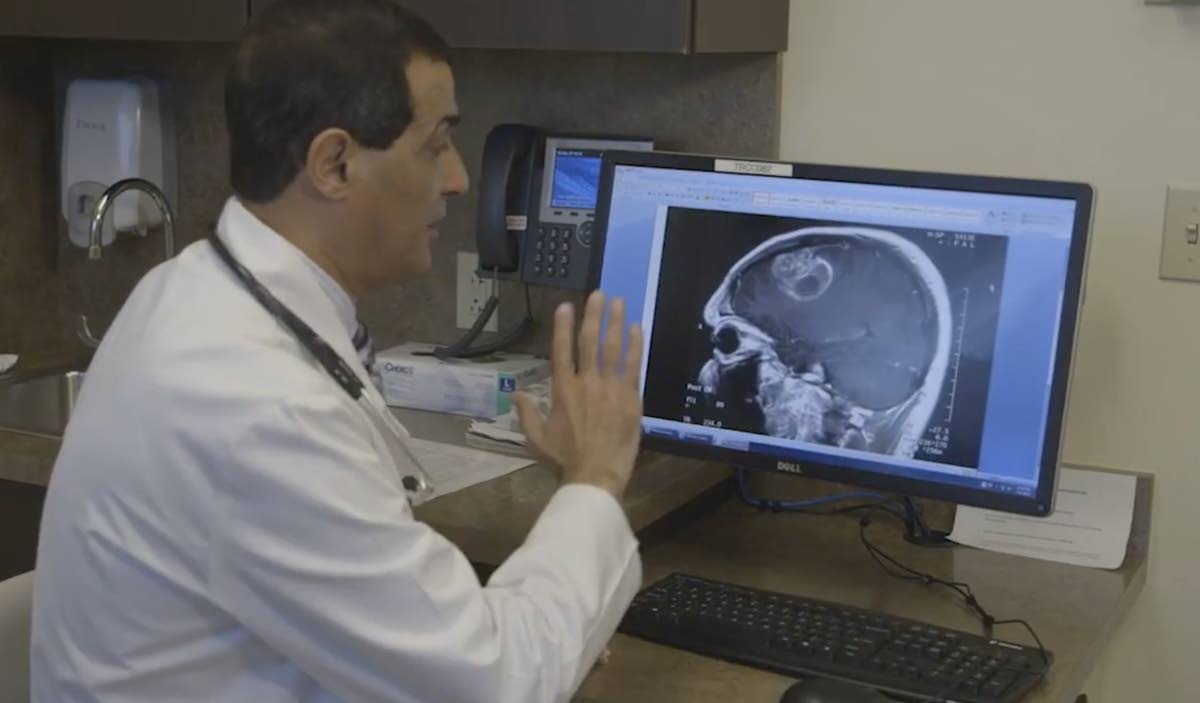 Dr Atif Hussein, a haematologist and oncologist at Memorial Cancer Institute, part of Memorial Healthcare System in South Florida. Photo - Contributed
Immunotherapy is changing the treatment landscape for advanced melanoma, offering new hope to patients whose cancer has spread to other organs. By helping the body’s immune system recognise and attack cancer cells, these treatments have enabled some patients to live significantly longer, even after a diagnosis that was once associated with a poor prognosis.
The need for effective treatment remains considerable. The American Cancer Society estimates that approximately 112,000 new cases of invasive melanoma will be diagnosed in the United States in 2026, with about 8,510 deaths expected. Although melanoma accounts for only about one per cent of skin cancers, it causes the majority of skin cancer deaths.
Dr Atif Hussein, a haematologist and oncologist at Memorial Cancer Institute, part of Memorial Healthcare System in South Florida, explained that melanoma is particularly dangerous because of its ability to spread beyond the skin.
“What is different about melanoma is that this cancer is much more aggressive and it tends to spread to other areas of the body rather quickly,” Hussein said.
When melanoma spreads to distant organs, including the lungs and liver, treatment becomes more challenging. However, advances in immunotherapy have significantly improved outcomes for some patients with advanced disease, offering the possibility of long-term survival.
Unlike conventional chemotherapy, which attacks rapidly dividing cells, immunotherapy works by stimulating or releasing the body’s immune response against cancer. Some treatments, known as immune checkpoint inhibitors, block proteins that can prevent immune cells from attacking cancer cells effectively.
Treatment
The impact of these treatments is reflected in long-term clinical research. A 10-year follow-up of the CheckMate 067 clinical trial, which examined patients with advanced melanoma, found overall survival rates of 43 per cent among patients treated with the immunotherapy combination nivolumab and ipilimumab, compared with 37 per cent for nivolumab alone and 19 per cent for ipilimumab alone. The findings demonstrate how certain immunotherapy treatments can help some patients live for a decade or longer after diagnosis. Individual outcomes vary according to the treatment received and the patient’s circumstances.
One example is 77-year-old South Florida resident Jeff Hill, who was diagnosed with melanoma approximately 10 years ago after decades of working outdoors. Despite undergoing regular skin examinations, Hill discovered that his cancer had spread to his lungs and liver. His diagnosis presented a serious challenge, but immunotherapy offered a treatment option that helped change the course of his illness.
After receiving regular infusions over the past decade, Hill now has no detectable cancer and continues to lead an active life. “It’s a lifesaver for me for sure. I was really very fortunate,” Hill said.
His experience illustrates the potential for immunotherapy to produce lasting responses in some patients with advanced melanoma. However, a patient’s response cannot be guaranteed, and treatment decisions depend on the type and stage of cancer, the patient’s overall health and other clinical factors.
Hussein said Hill’s progress highlights how dramatically treatment options have changed.
“It’s a privilege and honour to see someone like Jeff. A few years ago, you wouldn’t have expected him to live a couple years. Now he is living, and not just living, he is thriving,” he said.
not without riskS
Despite the progress, immunotherapy is not without risks. Because these medicines activate the immune system, they can sometimes cause it to attack healthy tissues as well as cancer cells.
These immune-related side effects may include inflammation of the skin, bowel, lungs, liver or other organs. Some patients can also develop joint pain or arthritis-like symptoms. The severity varies, and some complications may require treatment with medicines that suppress the immune response.
Certain side effects resolve after treatment ends, while others may require ongoing monitoring and care. Patients receiving immunotherapy should report new or worsening symptoms promptly to their healthcare team.
Clinical research has also found that combination immunotherapy can cause more frequent and severe adverse effects than some single-drug approaches, making careful monitoring essential.
For patients and their families, understanding both the potential benefits and risks is an important part of making informed treatment decisions with an oncologist. While new treatments are improving outcomes for some people with advanced melanoma, experts continue to stress the importance of prevention and early detection.
Melanoma can develop in an existing mole or appear as a new spot on the skin. Changes in a mole’s size, shape or colour, an irregular border, or a spot that looks different from others should be assessed by a healthcare professional.
Protection against ultraviolet (UV) radiation is also important. Measures include seeking shade, wearing protective clothing and using broad-spectrum sunscreen. Avoiding tanning beds can further reduce exposure to harmful UV radiation.
The American Academy of Dermatology estimates that the five-year relative survival rate for melanoma detected before it spreads to nearby lymph nodes is approximately 99 per cent. This falls to 76 per cent when it has spread to nearby lymph nodes and 35 per cent when it has reached distant lymph nodes or other organs. These figures underline the importance of identifying the disease before it advances.
Regular skin examinations can help identify suspicious changes, although they cannot guarantee that melanoma will be detected before it spreads. Anyone who notices a concerning skin change should seek medical advice rather than wait for the next routine examination.
As research continues, immunotherapy is expanding the possibilities for people living with advanced melanoma. Hill’s experience offers a powerful example of what sustained treatment can mean for an individual patient, while clinical evidence demonstrates that some therapies can produce durable benefits for a proportion of those diagnosed with the disease.
keisha.hill@gleanerjm.com