Jamaican in Lagos: Dr Anna Bethune’s journey across continents
Loading article...
-

Dr Bethune heads to an Owambe in Lagos. ‘Owambe’ is a Yoruba term commonly used for a large, elaborate celebration.
-
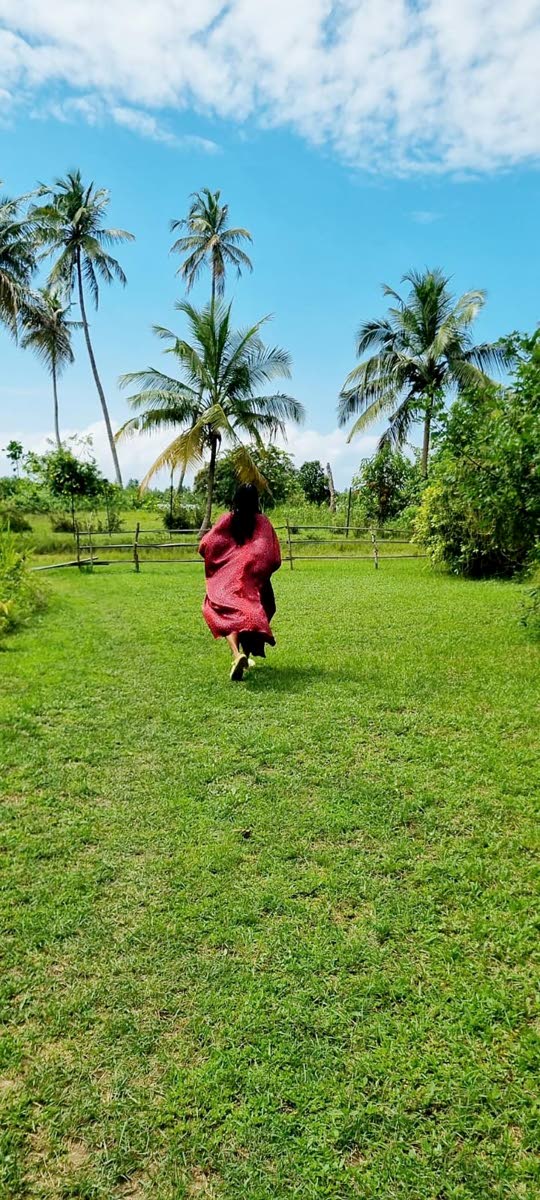 Dr Bethune’s birthday staycation offered a much-needed dose of lush greenery and quiet away from the intensity of Lagos.
-
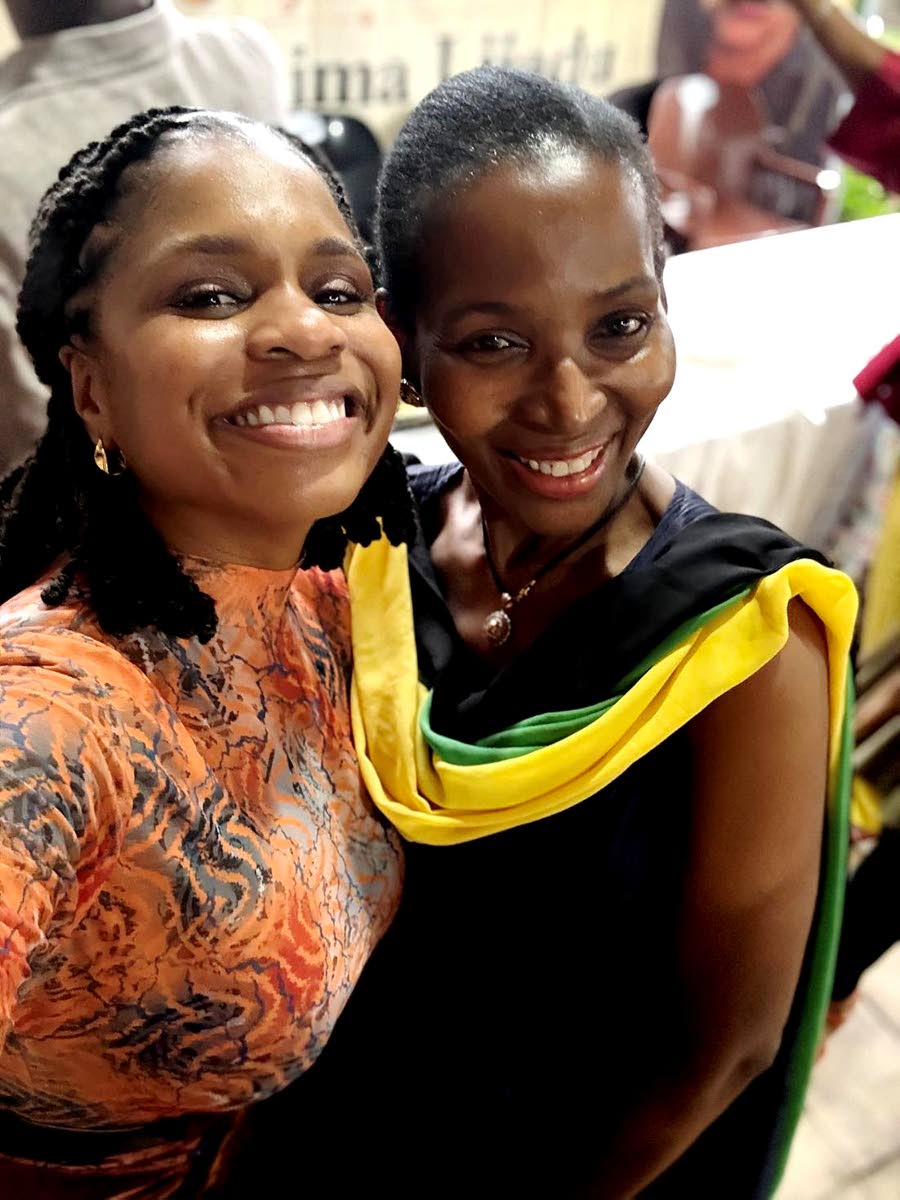 Dr Bethune takes a selfie with Aima Lijadu, the honorary consul of Jamaica in Lagos.
-
 Dr Bethune enjoys Lagos while on the water, one of the best ways to see another side of the city.
-
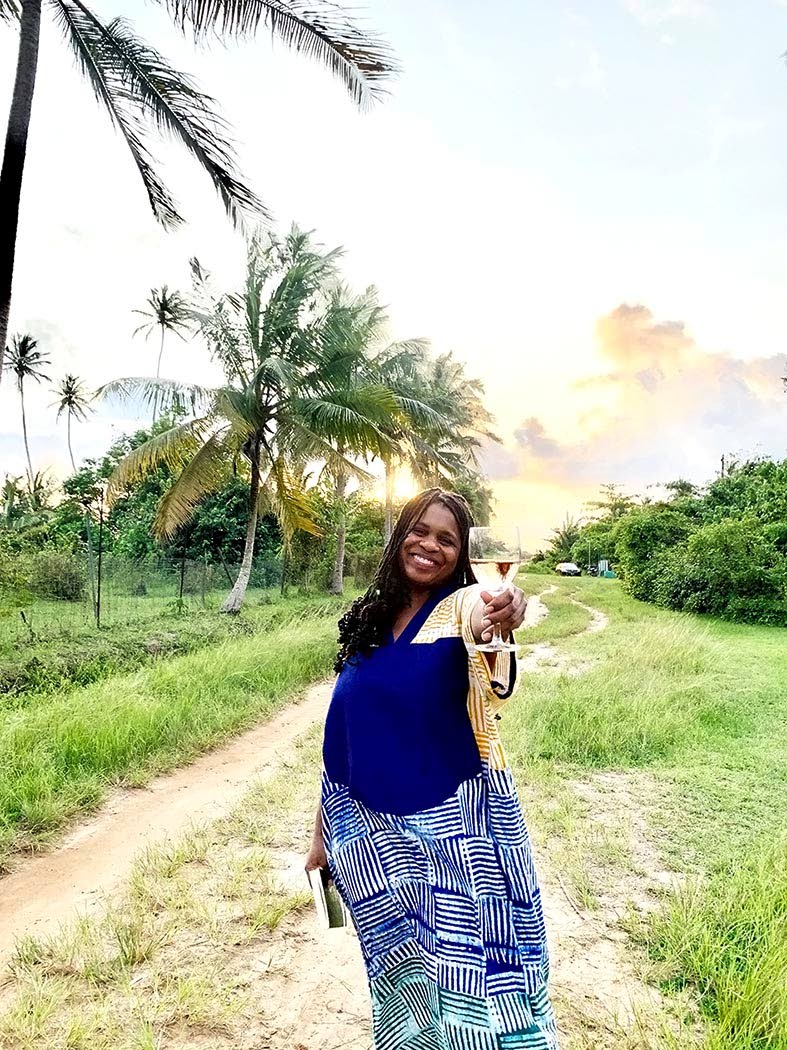 With a glass of wine and nowhere to rush to. Dr Anna Bethune enjoys her staycation at Sail Harbour.
-
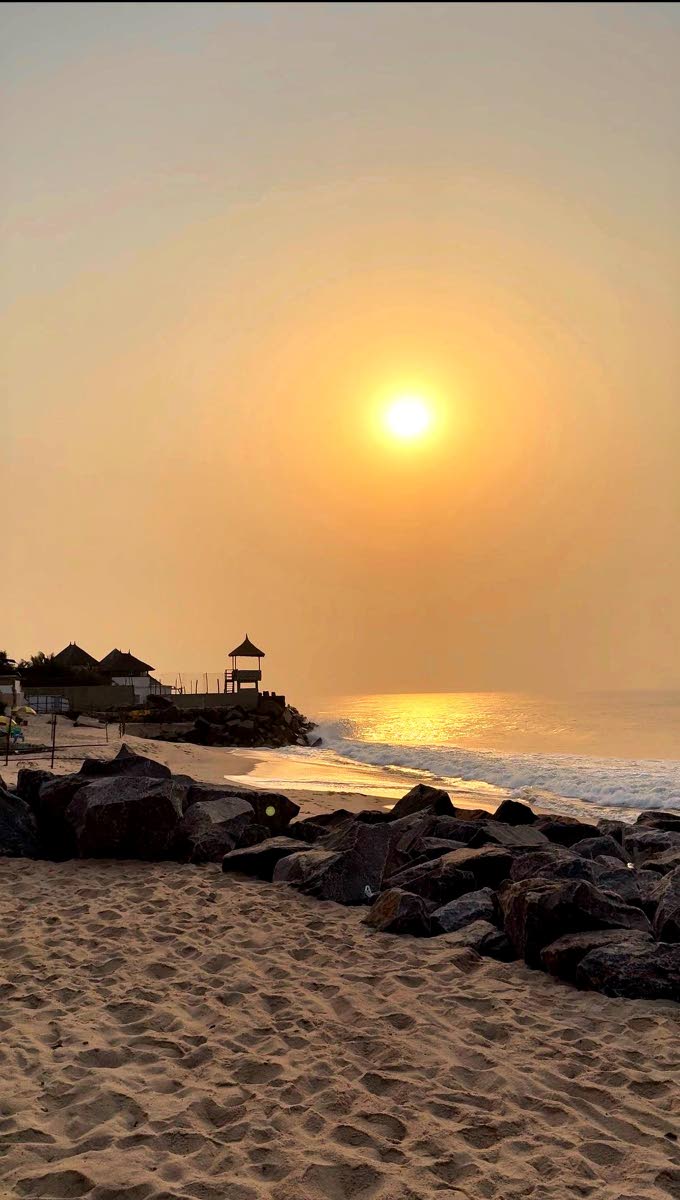 Take a moment to enjoy this enchanting sunset over the Atlantic Ocean in Lagos.
Dr Anna Bethune was living in Chicago, Illinois, completing her doctorate at Northwestern University, when she realised it was time for a change. The Jamaican seized an opportunity that would ultimately take her to Lagos, Nigeria.
“A venture capital fund was launching a foundation and needed someone to come to Nigeria to build and run it. The work felt almost tailor-made for me: I would get to invest in changemakers and organisations tackling some of the country’s most urgent challenges across education, health, financial inclusion and women’s empowerment,” she told Living.
Dr Bethune, along with the team, was able to allocate more than US$7 million to fund and support initiatives that assisted more than 140,000 women, men and children. “We backed people doing extraordinary, practical work: refurbishing schools so that children with disabilities could access education, digging boreholes in communities without reliable water, building schools and expanding economic opportunities for women, among other projects.”
While making the transition proved more complicated than she had anticipated, the global pandemic added another layer of difficulty. Bethune started the job remotely and worked from home for eight months before she was finally able to secure a flight to Nigeria. The moment she arrived in Lagos, Dr Bethune had to settle into a whole new country while simultaneously taking on her new role face-to-face.
“Expectations were high, and there was a lot to figure out all at once. Even finding an apartment was an adventure. I needed 24/7 electricity. Yes, you have to confirm that electricity will actually be provided 24 hours a day, security, a good location, reasonable rent, which you generally have to pay for the entire year upfront, and, importantly, not on the ground floor. It was chaotic,” she revealed.
Other adjustments included transportation and communication. But she managed to learn a few Pidgin words to figure out Uber and communicate with drivers and delivery men.
“What made the transition easier were the people. I found warm, generous people who helped me navigate the things I didn’t know yet. When I needed a cleaner, a ride, a way to convert USD, help opening a bank account, someone usually knew someone who could help. I also had a cousin-in-law who showed me the ropes. At one point, I almost got scammed out of my rent money for an apartment, and a colleague stepped in just in time and saved me,” she added.
There were cultural norms she found difficult to wrap her head around. In Yoruba culture, respect, she explained, is often physically expressed. “Men and boys may bow deeply when greeting an elder or someone of status, while women and girls may kneel or curtsy. These practices are known as ‘dobale’ for men and ‘Ìkúnlé’ for women.”
She generally does not perform this custom and has instead opted to smile broadly, greet warmly, and shake a hand if one is offered. It is a practice that has worked in her favour, until the day she met the king of Oniru. “He looked at me. I looked at him. And I knelt,” she confessed.
One of the upsides to living in Lagos, she says, is its array of hot spots. Among her frequent visits are Jazzhole, a book and record store; Sail Harbour, an eco-resort community; Sol Beach, a beachfront property that captures the energy of the city; Sweatbox, her gym and mental health haven; and Jamski.
“Jamski is probably the most established Jamaican restaurant in Lagos, run by Emmanuel Obasare. I first met Mr Obasare in Jamaica more than 20 years ago, when I was at Campion [College] and working on a school group project with his daughter. So there was something wonderfully full-circle about finding Jamski in Lagos. When I craved curried goat and oxtail during my first Christmas outside Jamaica, Jamski was exactly what I needed,” the impact strategist highlighted.
For the world traveller, Jamaicans and Nigerians are very similar.
“Like Jamaica, Nigeria is not a real place. We have the same kind of pepper in our blood, same aggression, same bombastic energy. We know how we behave on the road, how heated we can get in an argument. We know the kiss-teet, impatience, volume and the drama. But Jamaicans are the watered-down version of Nigerians; they are the source.”
Then there are differences, particularly when it comes to the economy.
“Extraordinary wealth is evident beside very visible poverty. World-class ambition sits on top of infrastructure that regularly tests your patience. Everything feels slightly impossible, and yet somehow everything gets done,” she said, noting, “There is a level of striving in Lagos that feels different. People are building unicorns and media empires, opening fashion houses, starring in films, launching an AI-something company, sometimes all at once. Ambition here feels almost atmospheric.”
The hustle, however, can sometimes feel less like an inspirational slogan and more like survival. “Poverty here is stark and visible, and the gap between enormous wealth and real deprivation can be startling. People are trying to get somewhere, and get there quickly,” Dr Bethune said.
The pursuit of a particular goal can seem ruthless, even dangerous. So, while Nigeria has given her a greater appreciation for ambition, it also makes her think more carefully about what that ambition might cost in the end.
And, of course, there is food.
Jamaicans have a well-known love for food, and it is no different in Nigeria. So far, her favourite dish is Amala, a traditional Yoruba dish made from yam flour. It is served with a combination of gbegiri, a thick bean stew, and ewedu, a silky green stew. “I like mine with assorted meat, especially pomo, which is cow skin. Don’t knock it until you try it. The whole thing is rich, earthy, messy in the best way, and deeply satisfying.”
But she admitted to missing fresh ackee from home. “I still haven’t tasted the soft, fluffy, buttery ackee here in Nigeria. But good news, I have found someone with an ackee tree. Now I just need to wait until it bears fruit.”
On the matter of dating, she describes the experience as educational. “Some of the rumours are true. Infidelity is rampant. Nigerian men spoil their women lavishly. Relationships tend to be more traditional; men are the breadwinners and women are the madames of the house. “Yoruba demons are real.” “Oh, and don’t date anyone named Fola.”
Dr Bethune is no stranger to travel. She has visited Morocco, Kenya, Uganda, Ghana, Italy, France, the United Kingdom, the United States, Mexico, Panama, Cuba, Trinidad and Tobago, Germany, Spain and China, just to name a few.
“I plan to build more homes across Africa and find ways to connect those lives. I am deeply interested in the threads that connect Africa and the Caribbean: the ways our cultures are similar, the ways they are different, and how they have evolved apart over hundreds of years while still carrying traces of each other. Lagos is my second home, Kingston is my first home, and Jamaica will always be my first love.”
krysta.anderson@gleanerjm.com