Heading home with a heavy heart
Loading article...
-
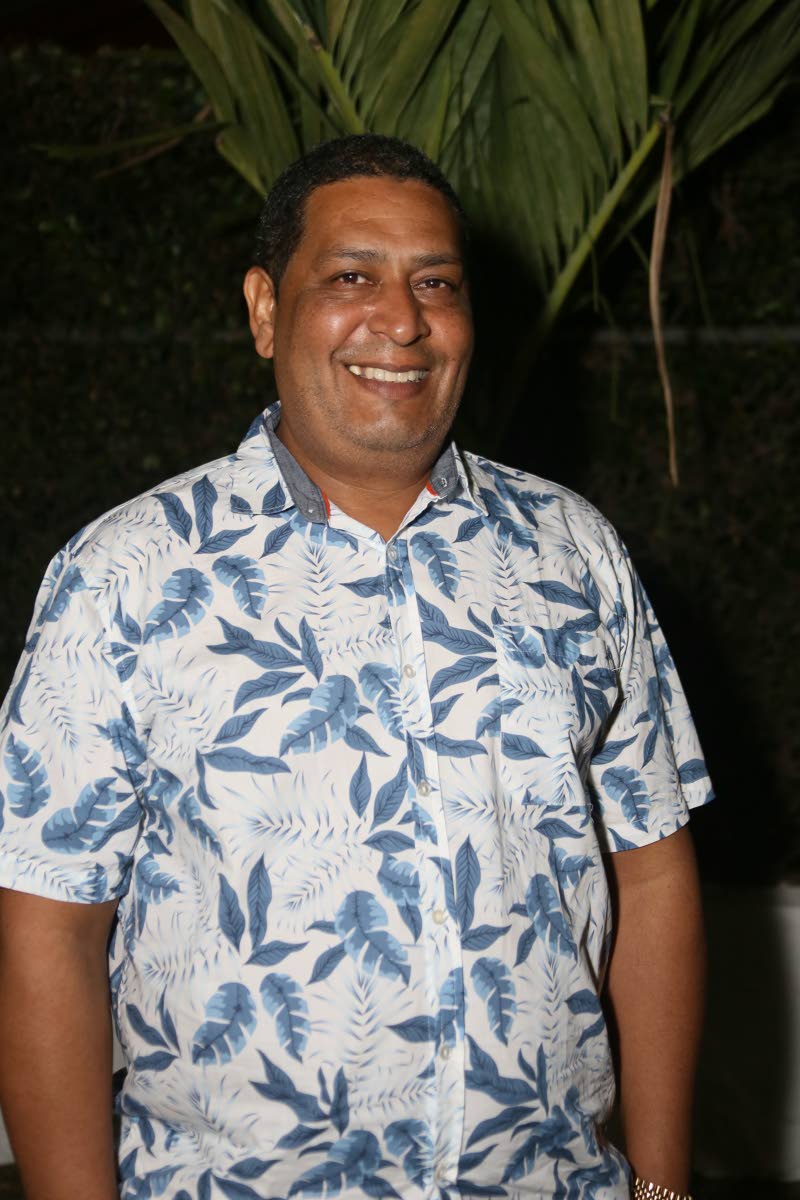 Dr Robert Mirales
-
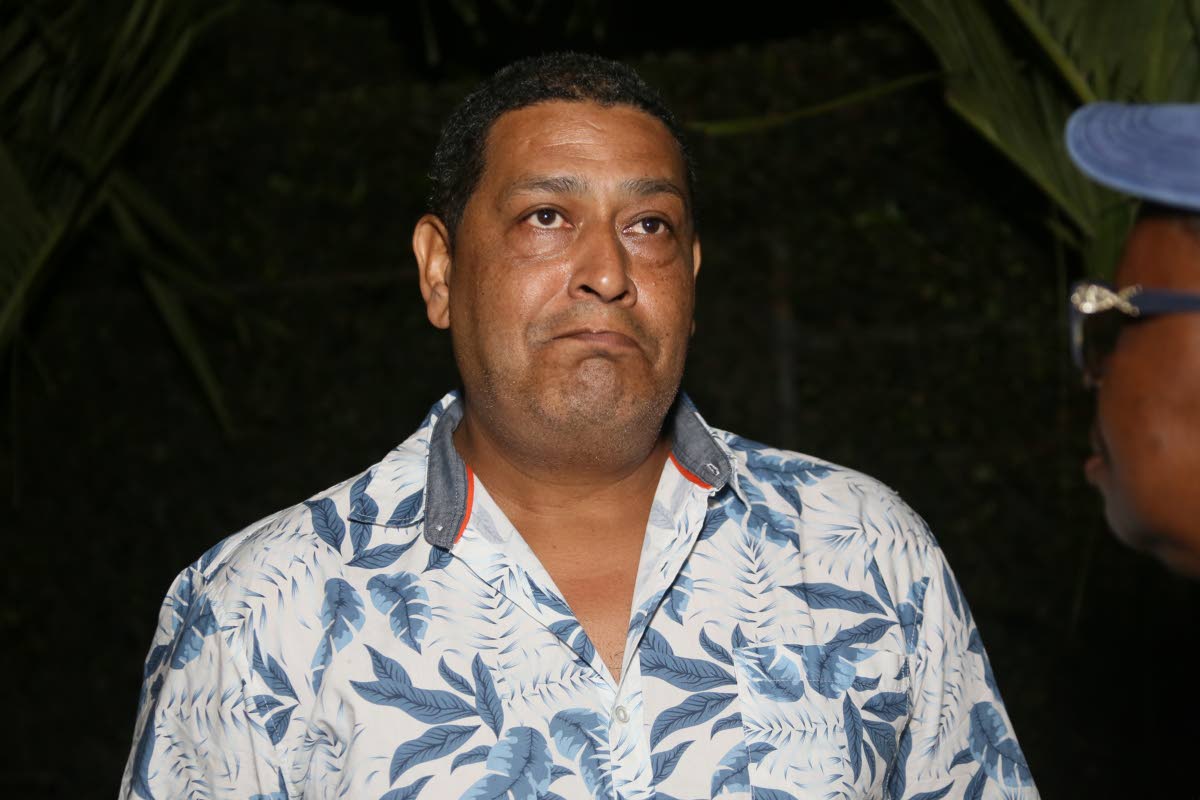 Dr Roberto Mirales, an opthalmologist who served the Cuban Eye Care Programme at St Joseph’s Hospital, reflecting on the nine years he spent in Jamaica during a farewell party on Saturday at Halifax Crescent in St Andrew.
Regarded as part of the ‘dream team’ of specialist ophthalmologists at St Joseph’s Hospital, Dr Roberto Mirales has spent years restoring sight to patients once condemned to darkness.
Affectionately called ‘Dr Roberto’, the Cuban doctor has worked in Jamaica for the past nine years, breaking only to return home during the COVID-19 pandemic. When hospital officials later requested his return through the Cuban government, his answer was immediate.
It was yes.
“I was working here until COVID time. I went back during COVID and returned in 2022. I have worked with Jamaican people for a long, long time. The Jamaican staff and the Ministry of Health were very good to us, to the Cuban people,” Dr Mirales told The Gleaner on Saturday during a farewell party for Cuban medical professions that was hosted by Osmond Brown and his wife Karen at Halifax Crescent in St Andrew.
“Every day they talk with us about our jobs, and every day they show solidarity and appreciation for our work. We try to help everybody. We attend to people with cataracts and other eye conditions, and when patients remove the cataract and see our faces afterwards, it is a very, very good feeling,” he said, his voice breaking as tears welled in his eyes.
For Dr Mirales, the emotional moments often come after surgery.
“A lot of people cry, and we cry with them, too, because some people have gone a long time without vision; and in two weeks, or maybe one month, they can see again. This is very good. I don’t have words for this moment,” he said, as tears rolled down his cheeks.
The patients, he noted, often express their gratitude in deeply personal ways – embracing him, holding his face, and offering thanks for restoring their sight.
Despite his deep connection to Jamaica, Dr Mirales said the time has come to return home.
His departure comes after the Jamaican Government’s decision to end its medical cooperation programme with Cuba in response to a failure to come to an agreement on amendments, to ensure compliance with local laws and international labour conventions.
Prime Minister Dr Andrew Holness has, however, indicated that the Jamaican Government remains hopeful that an agreement can still be reached to allow the programme to be restarted, while Health Minister Dr Christopher Tufton has indicated that the Government was pursuing the possibility of direct engagement of some of the Cuban healthcare professionals.
“We enjoy Jamaica – the people, the food, the culture, the tourist places – but now we need to go back,” Mirales told The Gleaner on Saturday.
“We love Cuba and our families. I enjoy my work there too, but it is very sad to leave because more than 2,000 people are waiting for surgery. We know it is hard for them, but we have to return to our homeland.”
He also recalled the patience Jamaicans showed him when he first arrived and struggled with the English language.
“When I came for the first time, my English was not very good. I could only do one consultation and it took a long time, but the people tried to understand. I don’t speak English, they don’t speak Spanish, but we understood each other,” he said.
“The people helped me with my English, and after two years, the older patients would tell me they understood me better.”
His reputation has since spread across the island, with many Jamaicans requesting him specifically for surgery — a fact he describes as one of the most emotional moments of his career.
“When the Cuban government called me and said the Jamaican people and staff wanted me back, and asked if I wanted to return [after COVID], I said yes,” he said, his face etched with emotion.
Having worked in Jamaica for nine of the programme’s 10 years, including after its post-COVID resumption, Dr Mirales has been integral to its success.
Official figures show that 368 cataract surgeries have been performed, 160 patients treated for pterygium, and 702 people receiving laser treatment for diabetic retinopathy. Additionally, 5,847 consultations have been conducted for pre- and post-operative care and treatment.
Health Minister Dr Christopher Tufton reported that, on average, approximately 20 eye surgeries are performed daily, with more than 100 patients seen for various conditions.
Mirales added that many Jamaicans – not just patients – have expressed their appreciation.
“When I arrived, a lot of people came to St Joseph’s to say thanks. It was emotional. We cried. Every day, someone would come to hug me and talk about the work. It has been very, very good,” he said.
Beyond clinical care, Cuban medical personnel have also contributed to Jamaica’s health system through annual blood donations. Mirales said many Cubans within the required age group donate at least once per year at facilities including the National Blood Transfusion Centre, National Chest Hospital, University Hospital of the West Indies, Kingston Public Hospital, and Victoria Jubilee Hospital.
“Yes, many of the young people donate once per year for the Jamaican health system. We do it with love. We will miss Jamaica so much,” he said.
erica.virtue@gleanerjm.com