UNFPA donation boosts maternal health services in western Ja
Loading article...
-
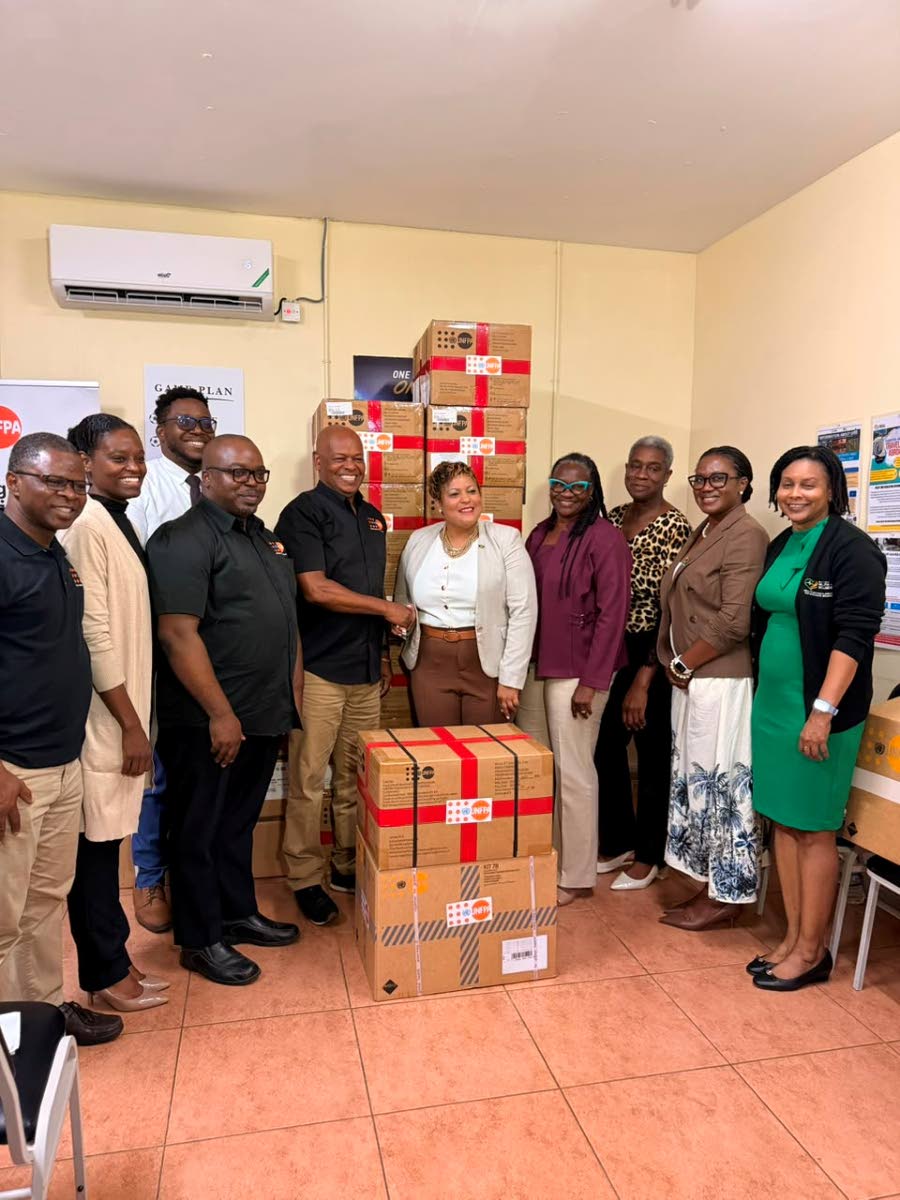 Harold Robinson (centre), director and representative, United Nations Population Fund (UNFPA) Sub-Regional Office for the Caribbean, formally hands over UNFPA’s donation of reproductive health and midwifery kits to Kristal Lee, Minister of State in the Ministry of Health and Wellness. Also pictured, from left, representatives from UNPFA, Dr Marcia Johnson Campbell, regional coordinator, Priority Non-Communicable Diseases Programme and Family Health, Western Regional Health Authority (WRHA); Lorna Binns-Watson, regional nursing supervisor, WRHA; Dr Andrea Brooks-Hanson, national coordinator for Maternal and Neonatal Health, Ministry of Health and Wellness; and Dr Lisa Pilgrim, acting programme development officer, Family Health Unit, Ministry of Health and Wellness.
-
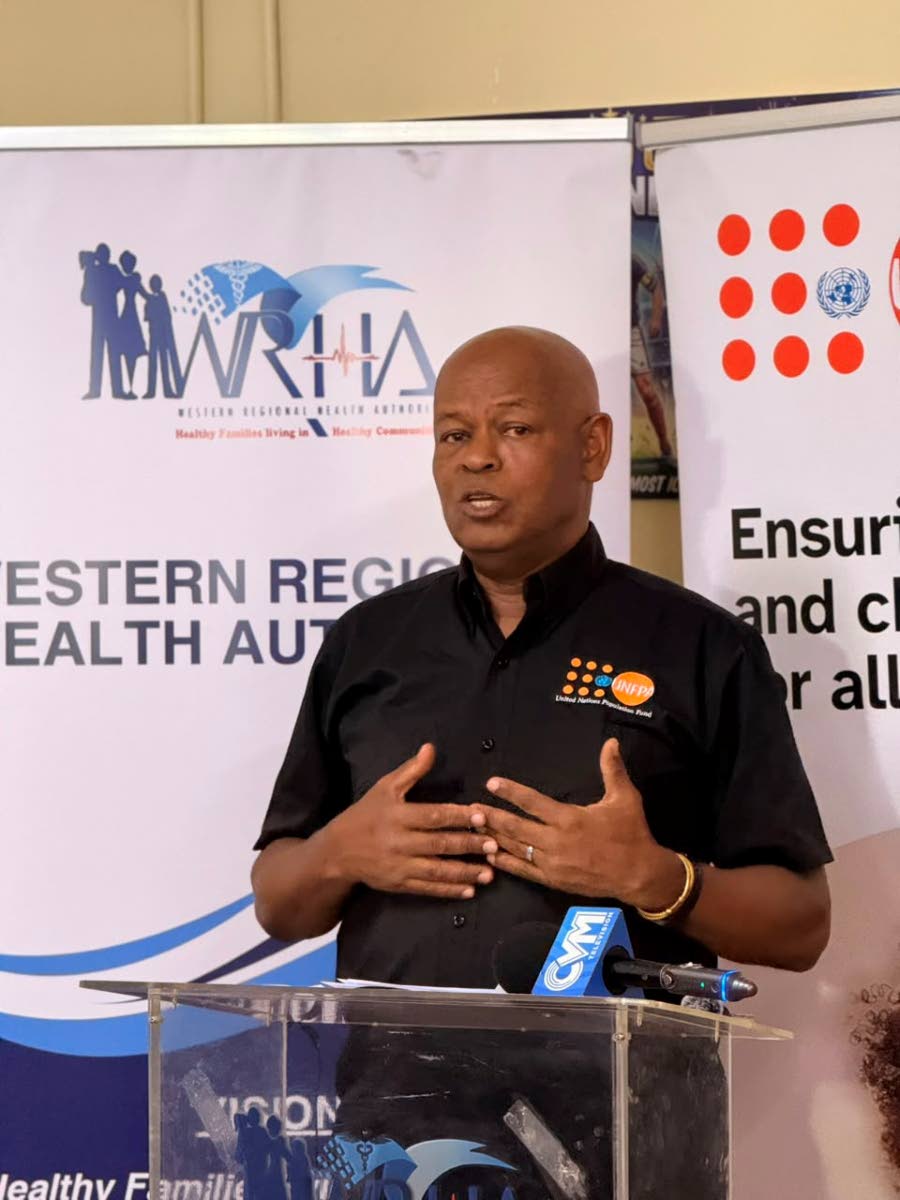 Harold Robinson, UNFPA director and representative at the Sub-Regional Office for the Caribbean.
The Western Regional Health Authority (WRHA) is better equipped to protect mothers and newborns in communities still recovering from Hurricane Melissa, following a donation of reproductive health and specialised midwifery kits from the United Nations Population Fund (UNFPA).
Harold Robinson, UNFPA director and representative for the Caribbean Sub-Regional Office, said the donation marks a shift from immediate emergency assistance to longer-term recovery and health-system resilience.
“Despite the resilience and the efforts made and the quickness with which the Ministry of Health responded, this reminds us that the focus must be extended beyond temporary relief to sustainable recovery of the health systems to ensure its resilience,” Robinson said during Tuesday’s handover ceremony at the WRHA warehouse in Freeport, Montego Bay.
Robinson noted that Hurricane Melissa, which struck Jamaica last October, disrupted lives, damaged communities, and placed additional strain on the health sector. Yet, he stressed, sexual and reproductive health services cannot be suspended during a disaster.
“Amid the destruction of infrastructure, one reality remains: sexual and reproductive health needs do not stop in an emergency,” he said. “Disruption to emergency obstetric care can place the lives of mothers and newborns at risk, while displacement can heighten women’s vulnerability to gender-based violence.”
UNFPA’s emergency response was guided by the Minimum Initial Service Package for Sexual and Reproductive Health, which Robinson described as a cornerstone of the organisation’s humanitarian response. The package ensures that essential reproductive health services continue during crises while addressing the needs of vulnerable women and girls.
“It acts as a vital lifeline, delivering immediate clinical care and safe refuge for survivors of gender-based violence,” he said. “It represents our shared commitment to ensuring that even in times of crisis, no woman is left behind… No woman is left without care, and the dignity and choices that they deserve are maintained.”
As part of its hurricane response, UNFPA distributed dignity kits containing basic hygiene items, torches, and safety information to displaced women and girls. It also established dedicated safe spaces and provided solar-powered refrigerators to keep life-saving medications cold during power outages.
Robinson said the latest donation was made in collaboration with other United Nations agencies, including the Pan American Health Organization (PAHO) and UNICEF.
“These two agencies were critical enablers in terms of UNFPA support,” he noted. “This is not a one-time emergency crisis kind of partnership. It is a partnership that has been there for a long time and that UNFPA continues to value and will continue to build.”
Kristal Lee, state minister in the Ministry of Health, said the supplies would help health facilities maintain essential maternal and reproductive health services, particularly in parishes where the hurricane severely disrupted healthcare delivery.
“Partnerships such as this are vital to safeguarding the health and well-being of women, newborns, and families, particularly during periods of recovery and rebuilding,” she said. “Reproductive health kits strengthen the capacity of health facilities to provide life-saving care to mothers and newborns, including safe childbirth services and emergency obstetric and surgical interventions.”
The assistance is expected to benefit mothers and newborns accessing healthcare facilities in St Elizabeth, Westmoreland, Trelawny, Hanover, Manchester, and St James, among the parishes hardest hit by Melissa.
The donation comes as the health ministry continues its post-hurricane maternal health response, which has reached more than 500 pregnant and breastfeeding mothers with an integrated package of services.
albert.ferguson@gleanerjm.com