Caribbean ex-PMs call for end to Cuba embargo
Loading article...
-
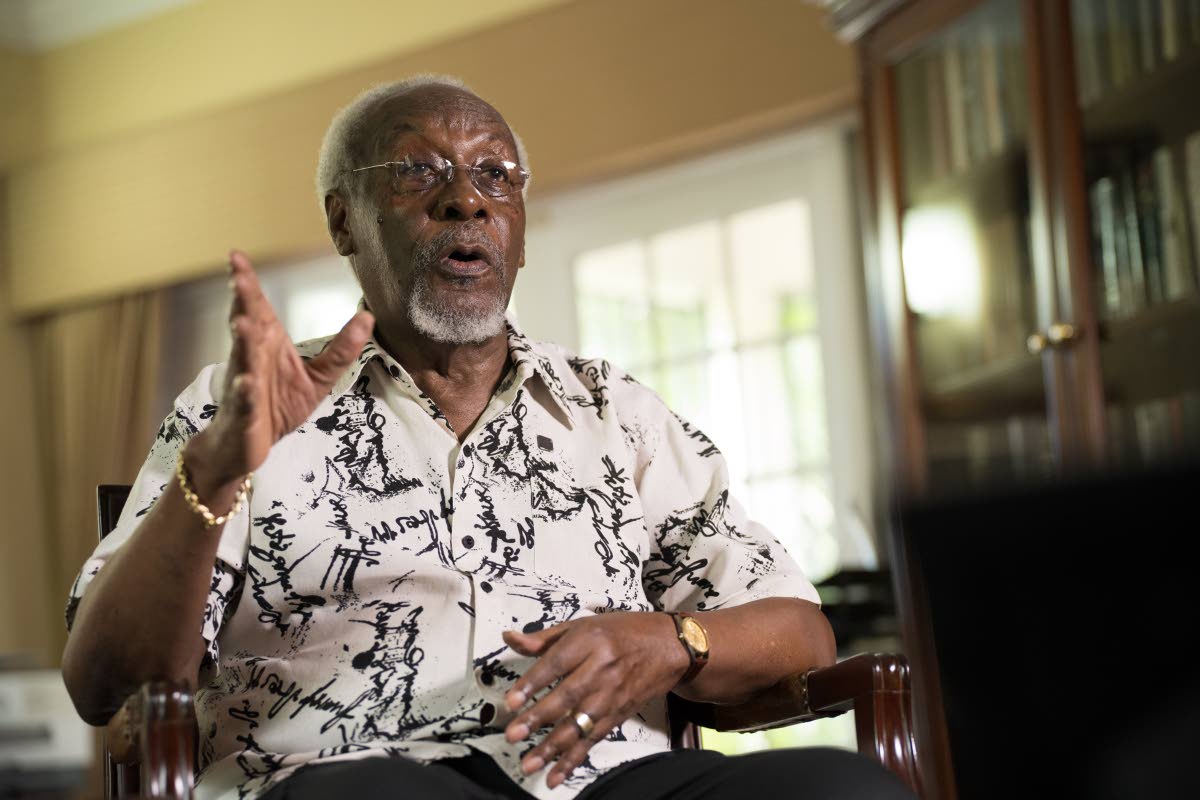 PJ Patterson, former prime minister of Jamaica.
-
PJ Patterson, former prime minister of Jamaica.
-
 Bruce Golding, former prime minister of Jamaica.
-
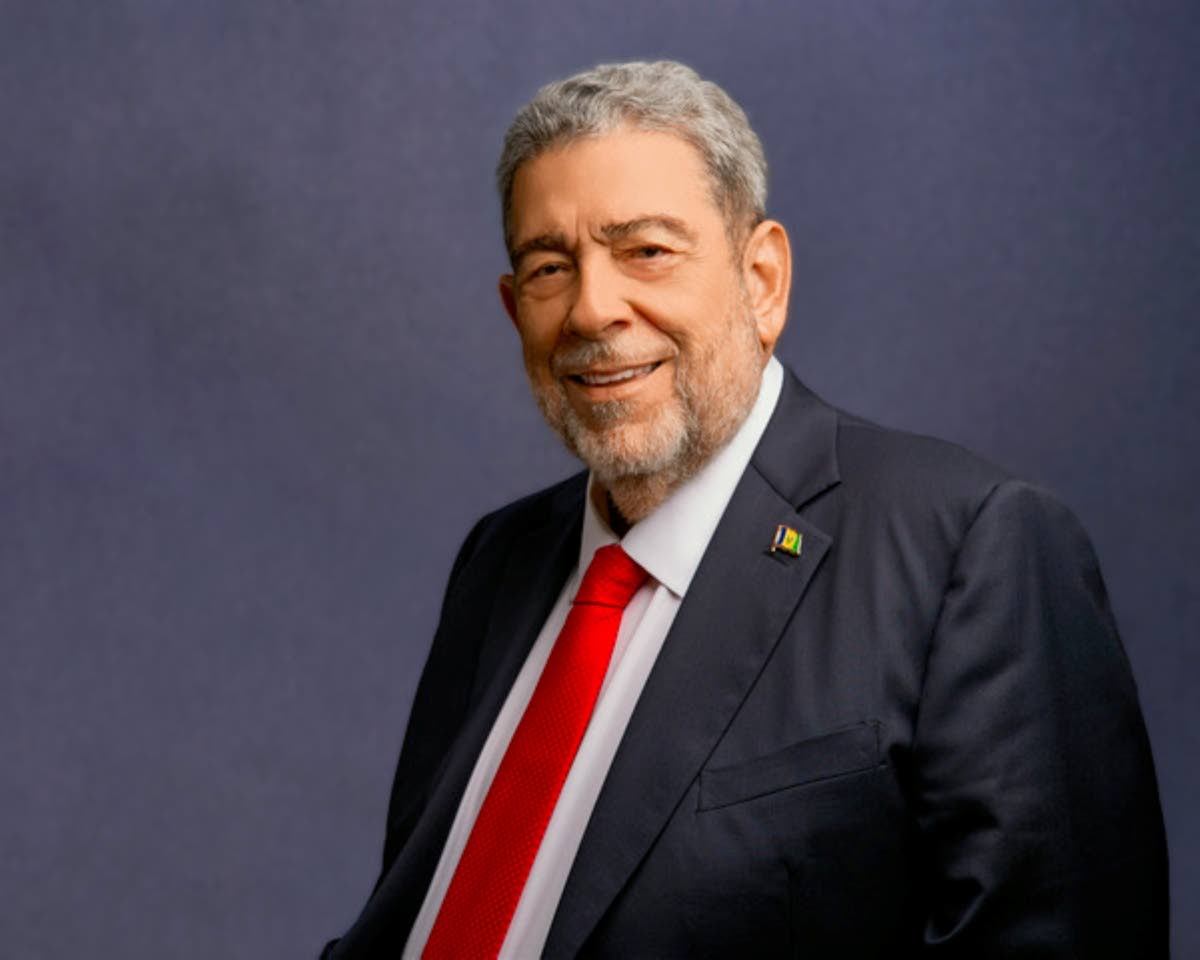 Dr Ralph Gonsalves, former prime minister of St Vincent and the Grenadines.
-
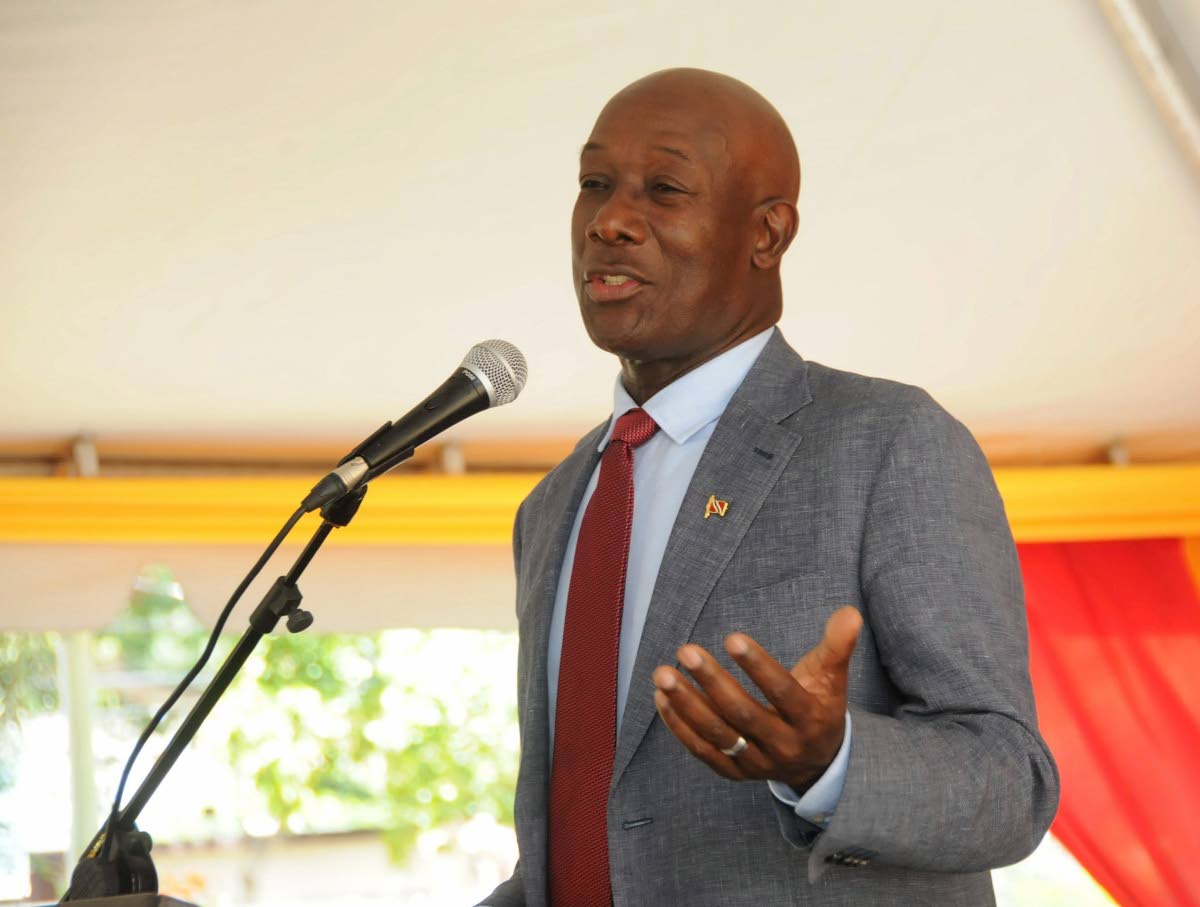 Dr Keith Rowley, former prime minister of Trinidad and Tobago.
On the 66th anniversary of the United States (US)-imposed embargo on Cuba, 11 former heads of government in the Caribbean Community (CARICOM) have written an open letter to nations around the world, urging them to support a resolution before the United Nations General Assembly (UNGA) this week.
The letter urges all member states to vote overwhelmingly in favour of the resolution, which calls for consideration of the necessity and desirability of ending the economic, commercial and financial embargo imposed by the United States of America against Cuba.
The letter states that the US action “is contrary to international law and every civilised precept of life and living”.
“We, the undersigned former heads of state and government of the Caribbean Community, strongly and unequivocally urge all nations to vote in favour of the Resolution on October 28, 2026, at UNGA.”
The letter is signed by Freundel Stuart, former prime minister of Barbados; Said Musa and Dean Barrow, former prime ministers of Belize; Keith Mitchell and Tillman Thomas, former prime ministers of Grenada; Donald Ramotar, former president of Guyana; Kenny Anthony, former prime minister of St Lucia; Bruce Golding and PJ Patterson, former prime ministers of Jamaica; Keith Rowley, former prime minister of Trinidad and Tobago; and Ralph Gonsalves, former prime minister of St Vincent and the Grenadines.
According to the letter, “every year since 1992, UNGA has been adopting overwhelmingly a resolution on this subject. Yet, the USA has been ignoring the clear voice of the international community, the requisites of international law, and the most elemental of civilising principles.
“The vote on this UNGA Resolution this year is more urgent and important than ever before. In recent months, the US government has further ramped up its illegal embargo against Cuba in an attempt to starve the Cuban people into submission through the imposition of third-party sanctions against any government or entity which grants, sells or transports energy products, including gasoline and diesel, to Cuba. Surely, such US conduct is inhumane, and undoubtedly contrary to international law.”
The letter continues: “Accordingly, it is imperative that the blandishments and pressures currently being deployed by the USA to derail and defeat the proposed UNGA Resolution must be resisted. The US embargo continues to be a threat to hemispheric and international peace and security; the embargo is a brazen violation of Cuba's right to sovereignty and independence; the embargo derogates from the most elemental human rights of a people established and declared by international law. The unilateral, coercive actions of the USA against Cuba represent the law of the jungle, and can in no way be justified by the Charter of the United Nations or any other source of international law and justice.”
It concludes with a reminder that “Cuba is not a threat to any nation or any person on planet Earth”.
“Let us all contribute to the healing of the hemispheric fracture between the United States of America and Cuba by supporting the UNGA Resolution on October 28, 2026. Let us all stand with Cuba and humanity on this matter.”
The US has maintained an embargo against Cuba for 66 years, dating back to October 1960. It was first introduced by the administration of US President Dwight Eisenhower and strengthened by US President John F. Kennedy in 1962, following the failed Bay of Pigs invasion aimed at overthrowing Cuban President Fidel Castro.
Decades later, the administration of US President Barack Obama relaxed some restrictions, but they were tightened again under President Donald Trump.
Days ago, US media reported that a Florida judge had signed an arrest warrant for Raúl Castro, the younger brother and successor of the late Fidel Castro as Cuba's president.
The warrant is connected to the younger Castro's alleged role in the 1996 shoot down of civilian planes.
Raúl Castro, 95, led Cuba for 10 years before stepping down in 2021, making way for the country's current president, Miguel Díaz-Canel.
The decades-long embargo has contributed to severe economic hardship in Cuba, which has a population of about 11 million.
erica.virtue@gleanerjm.com