Tesha Prussia | Time to legislate against bullying
Loading article...
-
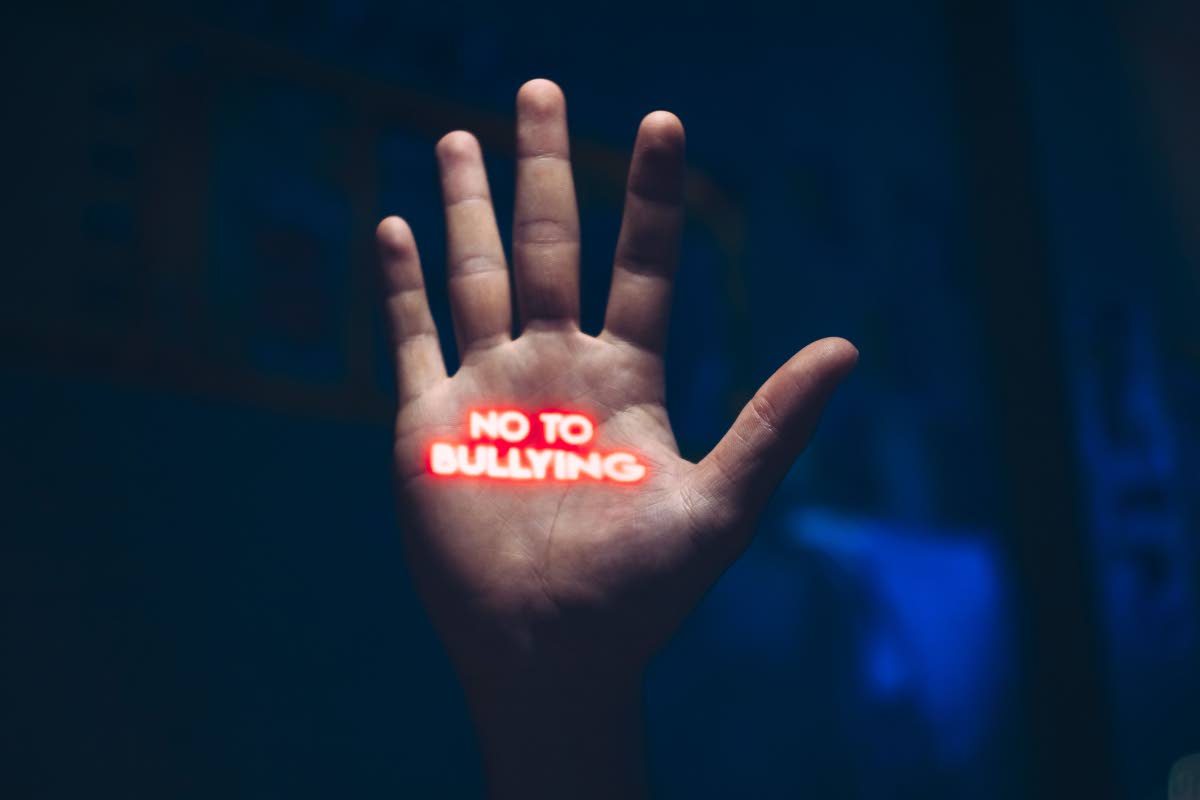 Photo - Pexels
-
Photo - Pexels
-
 Tesha Prussia. Photo - Contributed
Childhood bullying is a grave breach of children’s rights and a serious public-health issue. The headlines surrounding classroom violence have not been positive since the new academic term began, particularly in relation to the antisocial behaviour seemingly being enacted by some students in the nation’s schools.
The Gleaner reported a viral incident involving a grade seven student at Kingston College who was seen hanging over a railing, sparking widespread and, understandably, public outrage. According to the school’s headmaster, Mark Myrie, the boys were assisting their young classmate, who reportedly admitted to voluntarily going over the railing. Commendably, the young men who stepped in to assist their classmate deserve recognition for their actions.
However, the boy’s mother subsequently shared her perspective, reportedly attributing her son’s actions to allegations of being bullied at school. Her account introduces a troubling dimension to the incident that warrants impartial observation and accountability.
Any allegations of bullying should raise serious questions about the experiences of children in our schools and the adequacy of existing measures to protect them. Bullying is not merely horseplay or a harmless rite of passage but a serious child-protection issue.
BULLYING IS NOT NEW
Bullying is a global phenomenon that transcends geographical borders and demographic groupings. According to UNICEF, a 2015 joint study with the then Child Development Agency (CDA) on peer abuse found that six in every 10 Jamaican students reported having experienced bullying at some point in their lives. Almost 30 per cent of students surveyed feared going to school because of bullying while nine in every 10 had witnessed another child being bullied at school.
The findings are particularly troubling when we consider the purpose of education. Our schools should be places where children learn, develop friendships, and discover their potential, not environments where they dread encountering their peers.
Bullying can be physical, verbal, social, or cyber-based. Its consequences may include fear, social isolation, declining academic performance, and emotional distress. Some children may struggle to report their experiences because they fear retaliation or believe that adults will not take them seriously.
Article 19 of the United Nations Convention on the Rights of the Child (UNCRC) requires States Parties to take appropriate legislative, administrative, social, and educational measures to protect children from physical and mental violence. Article 28 recognises the right to education while Article 29 addresses the aims of education, including the development of a child’s personality, talents, and abilities.
GO BEYOND AWARENESS
Notably, Jamaica has previously commissioned research into school bullying, but the findings raise questions about whether our response has been sufficiently comprehensive and sustained.
The Ministry of Education’s Security and Safety Policy Guidelines identify bullying among the safety and security challenges confronting schools and provide a framework for improving school safety. The ministry has also recently promoted awareness through initiatives such as National Anti-Bullying Week, observed from October 4 to 10.
While these initiatives are commendable, awareness alone cannot guarantee that every school has effective reporting procedures, that complaints are properly investigated or that children are protected from retaliation. Despite the ministry’s and school administrators’ stated commitment to zero tolerance towards bullying, its continued occurrence raises concerns about implementation, monitoring, and accountability.
ANTI-BULLYING ACT IS NEEDED
Kudos to the educators, child rights advocates, and other stakeholders who continue to bring attention to this social ill. But when are we going to implement a dedicated national legislative framework to address bullying in schools?
The Cayman Islands offers a useful regional example. In 2022, amendments to its Education Act were accompanied by the Anti-Bullying (Schools) Regulations. The legislation requires schools to maintain written anti-bullying policies while the national policy establishes a framework for consistent responses to bullying. Jamaica can learn from this approach and develop legislation suited to our own education system.
Jamaica has existing laws and policies that may apply to particular acts of violence, abuse, harassment, or misconduct. However, a comprehensive Anti-Bullying Act could establish specific and consistent obligations for preventing, reporting, investigating, and responding to bullying across our educational institutions.
Alternatively, Government could amend the Education Act or the Child Care and Protection Act to incorporate anti-bullying protocols, prevention and intervention measures, and accountability mechanisms.
An Anti-Bullying Act will not eliminate every act of cruelty, but it can establish a clear national standard and strengthen the mechanisms available to protect children. We cannot continue to mobilise public attention during Anti-Bullying Week, condemn incidents when videos go viral, and return to business as usual once the headlines disappear.
The Kingston College incident should prompt more than public outrage. It should compel us to examine whether our current measures are adequate and what further protections are necessary.
Tesha Prussia is a Child Social Worker at the Fi We Children Foundation (FWCF). Send feedback to info@fiwechildren.org or follow @fiwechildrenja on Instagram.