Common ground - Despite republic dispute, parties eye consensus on other constitutional changes but talks yet to resume
Loading article...
-
Chuck
-
Golding
-
-
Holness
Eight months into Jamaica’s new parliamentary term, constitutional reform remains stalled as the governing Jamaica Labour Party (JLP) and opposition People’s National Party (PNP) remain divided over how to amend the Constitution.
The key dispute centres on replacing King Charles as head of state and adopting the Caribbean Court of Justice (CCJ) as the final appellate court. Despite the impasse, both sides say other constitutional reforms may still be advanced.
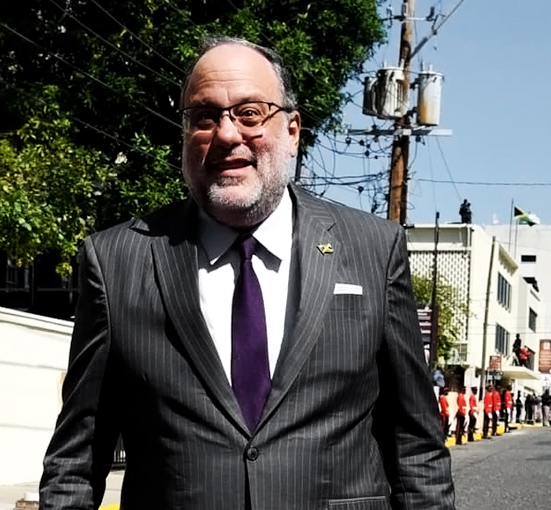
Opposition Leader Mark Golding told The Sunday Gleaner that the PNP would not retreat from its position that full decolonisation must include both replacing King Charles as head of state and ending appeals to the United Kingdom-based Judicial Committee of the Privy Council in favour of the CCJ.
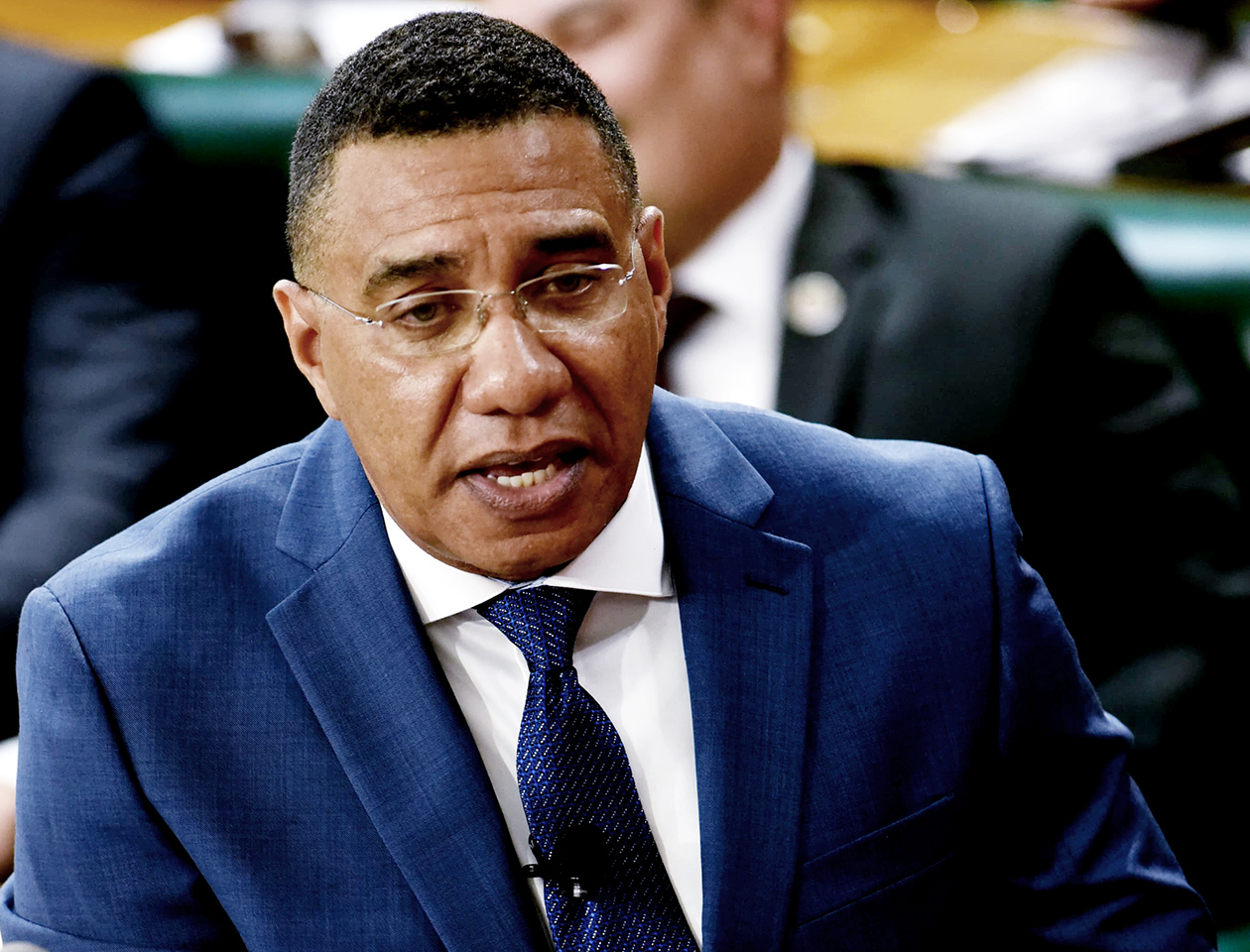
Golding said his written request for talks with Prime Minister Dr Andrew Holness was rebuffed, with Holness directing him instead to Minister of Justice and Constitutional Affairs Delroy Chuck.
However, Golding argued that discussions with Chuck “would not achieve anything”.
The opposition leader is insisting that 64 years after the country received Independence, it would not be appropriate for Jamaica to seek to establish itself as a republic but still have its Constitution and laws interpreted and applied at the highest level by the King’s Court in London.
“That is an unacceptable anomaly, which the Opposition will not participate in, and since the Government needs the Opposition’s support to proceed with constitutional reform, we need to try to resolve this issue and I think the place to start is a discussion by the two leaders of the main political parties to try and see if we can reach anywhere,” he added.
Constitutional amendments affecting entrenched provisions require a two-thirds majority in both Houses of Parliament. The Government currently lacks that margin in both the House of Representatives and the Senate, meaning support from the Opposition is essential.
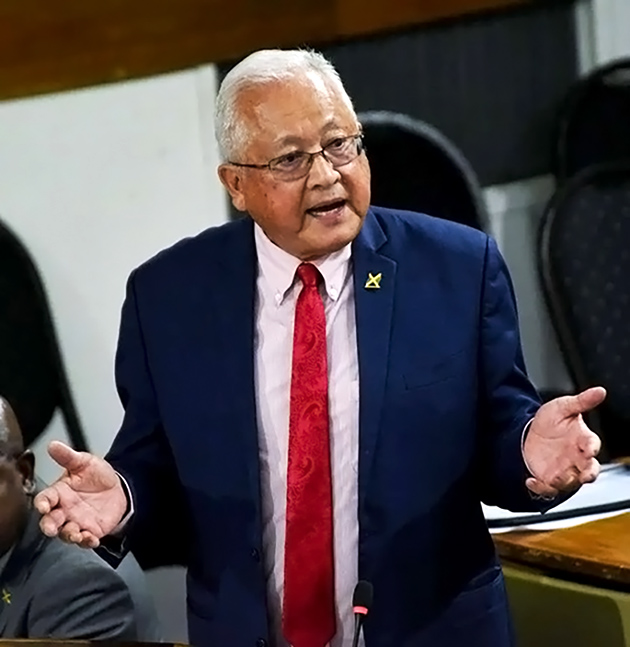
But speaking with The Sunday Gleaner, Chuck said what the leader of the opposition wants is for the Government “to bow to his demands that the CCJ should be a part of the initial process”.
Chuck made it clear that the administration was unlikely to agree to the Opposition’s approach, noting: “We can go sequentially by putting in place the republic and once he (Golding) agrees, we can retable another bill that suits both sides, and then we would move forward to immediately start discussing what the final court could be. It could well be the CCJ.”
On December 10, 2024, then Legal and Constitutional Affairs Minister Marlene Malahoo Forte tabled the Constitution (Amendment) (Republic) Act 2024, which sought to abolish the constitutional monarchy and transition Jamaica to a republic. The bill later fell from the Order Paper when Parliament was dissolved ahead of the 2025 general election.
Chuck acknowledged that progress on the republic bill was unlikely until both parties reached agreement on the broader approach.
Despite the impasse over the monarchy and final appellate court, both sides indicated there may still be room for consensus on other reforms.
Golding said wider measures such as stronger parliamentary accountability, impeachment provisions, recall mechanisms for members of parliament and fixed election dates could proceed independently as they are not dependent on a resolution of the current sticking points.
“If we can find common ground on things that could move the country forward in terms of constitutional reform, we should proceed with those items. There is no need for it to be a total impasse, in my opinion, but on the issue of decolonisation, our position is well known,” he noted.
Golding again proposed talks between the two parties at Vale Royal to seek compromise, insisting the PNP had participated constructively in the previous reform committee co-chaired by Malahoo Forte and Ambassador Rocky Meade.
“I don’t know if there is any desire to try and accommodate us. We have been accommodating the process in the sense that we did appoint members to the committee … . They participated thoroughly in the process and so on, so it’s not that we have been disruptive. It’s an issue that is fundamental to us,” he maintained.
At the same time, Chuck told The Sunday Gleaner that his ministry was looking at what could be implemented from the report of the Constitutional Reform Committee that was tabled in Parliament during the last parliamentary term, including proposals to constitutionally entrench the Electoral Commission of Jamaica and the Office of the Public Defender.
“There are several other areas that can be addressed if the Opposition would just agree that they would participate in a meeting between the leader – or a committee that he set up – and me. We could put together a joint select committee, but in my conversation with the opposition leader, he does not want to proceed with anything in the Constitution until he has a meeting with the prime minister.”
edmond.campbell@gleanerjm.com