Raw sewage, broken roads, darkness - Neglect claims mount as Whitehall residents reach breaking point
Loading article...
-
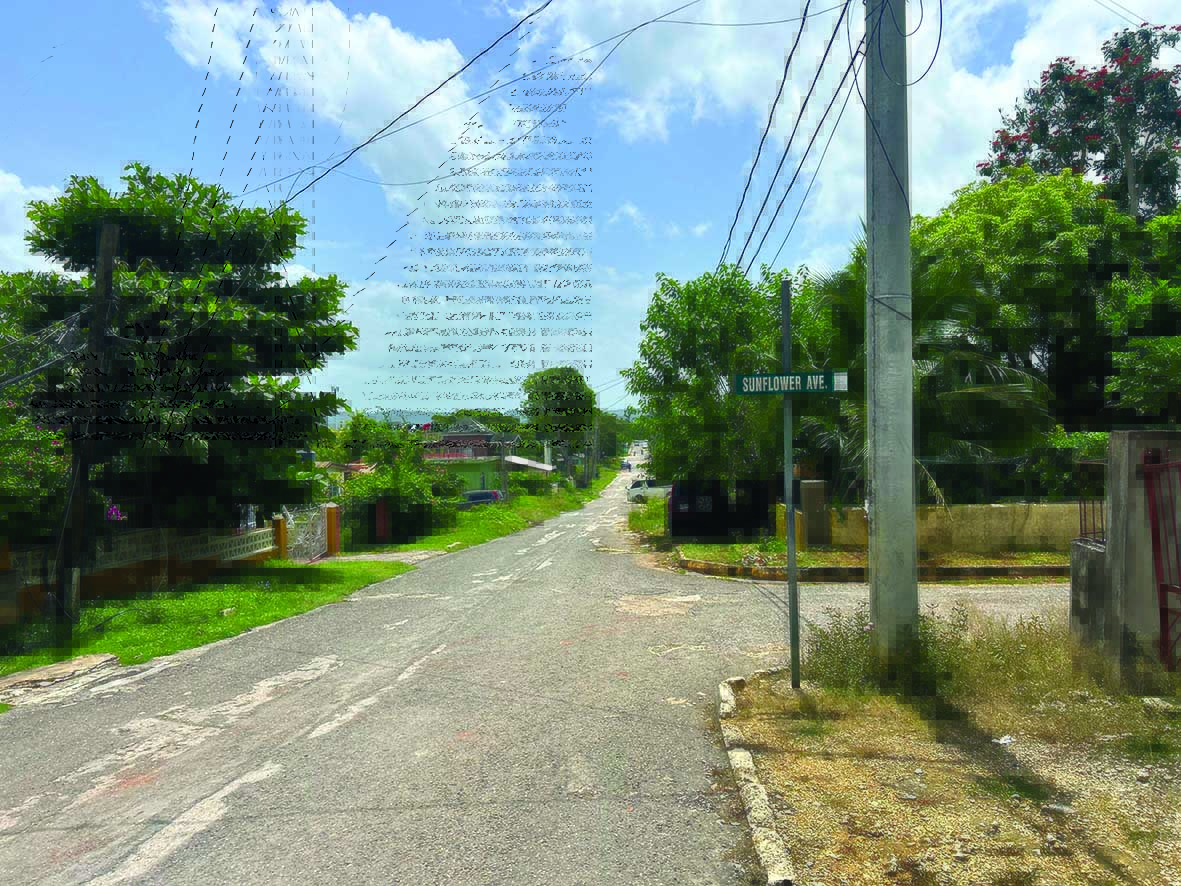
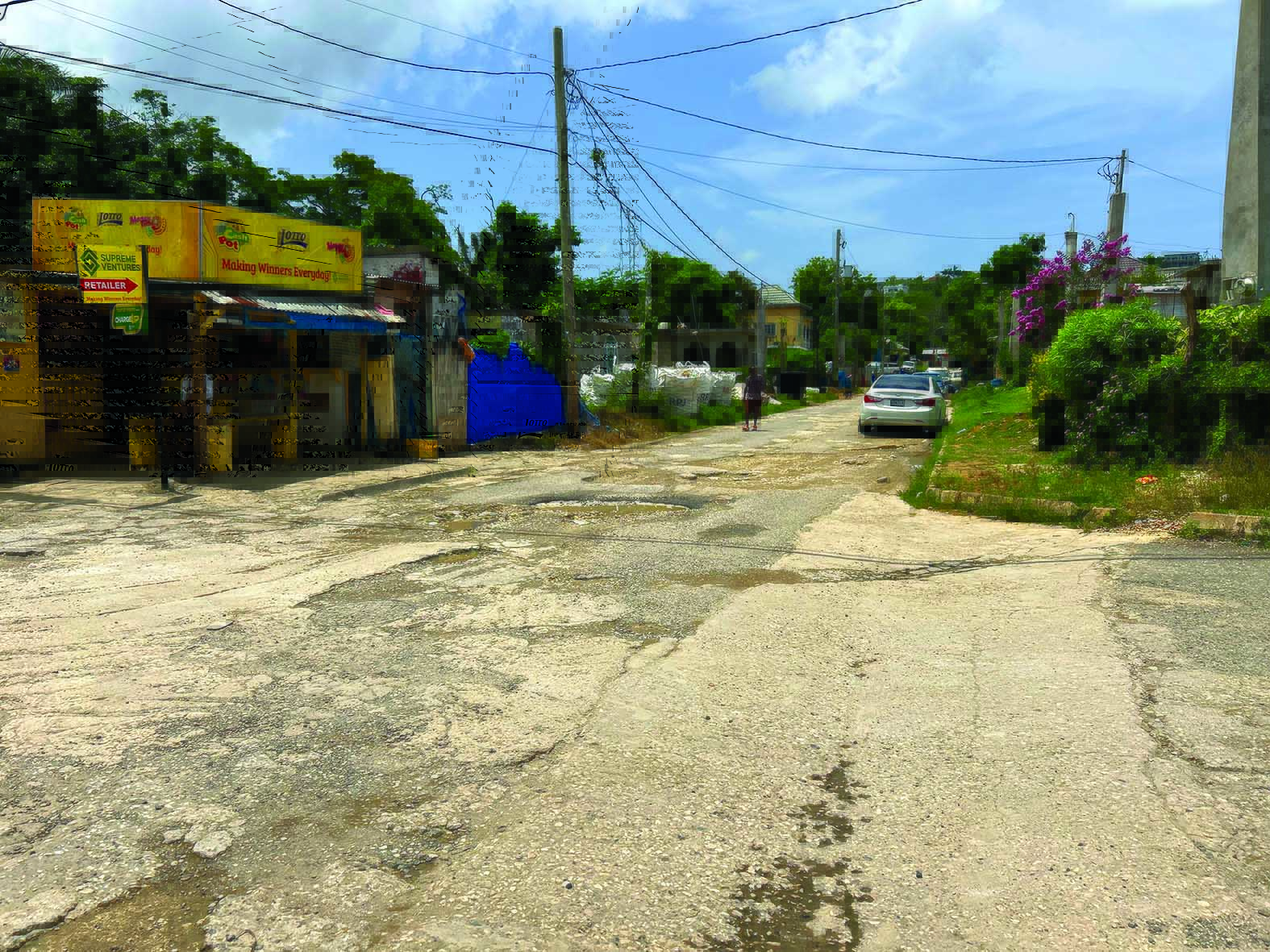
Residents are appealing to the authorities to address the state of the roadways in Whitehall, Westmoreland.
Photos by Mickalia Kington.
-
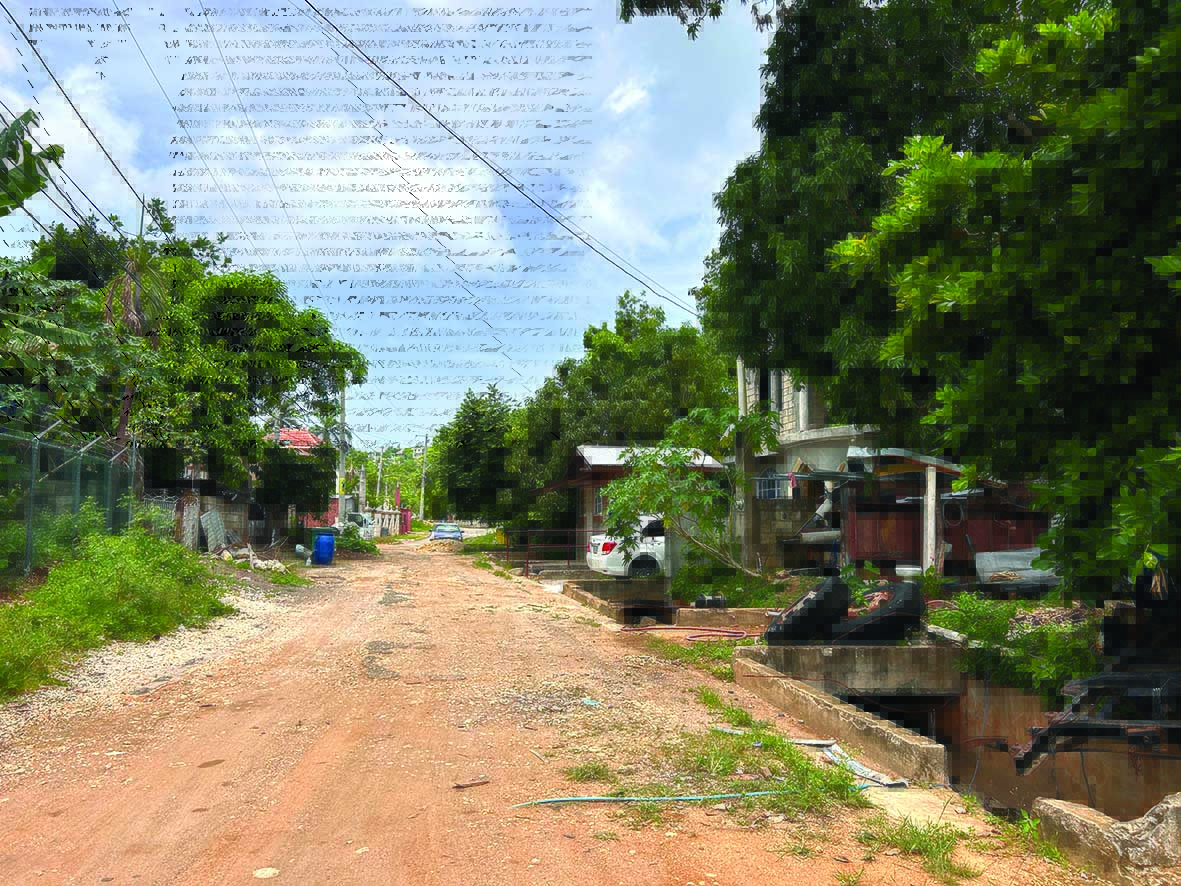
Residents are appealing to the authorities to address the state of the roadways in Whitehall, Westmoreland.
-
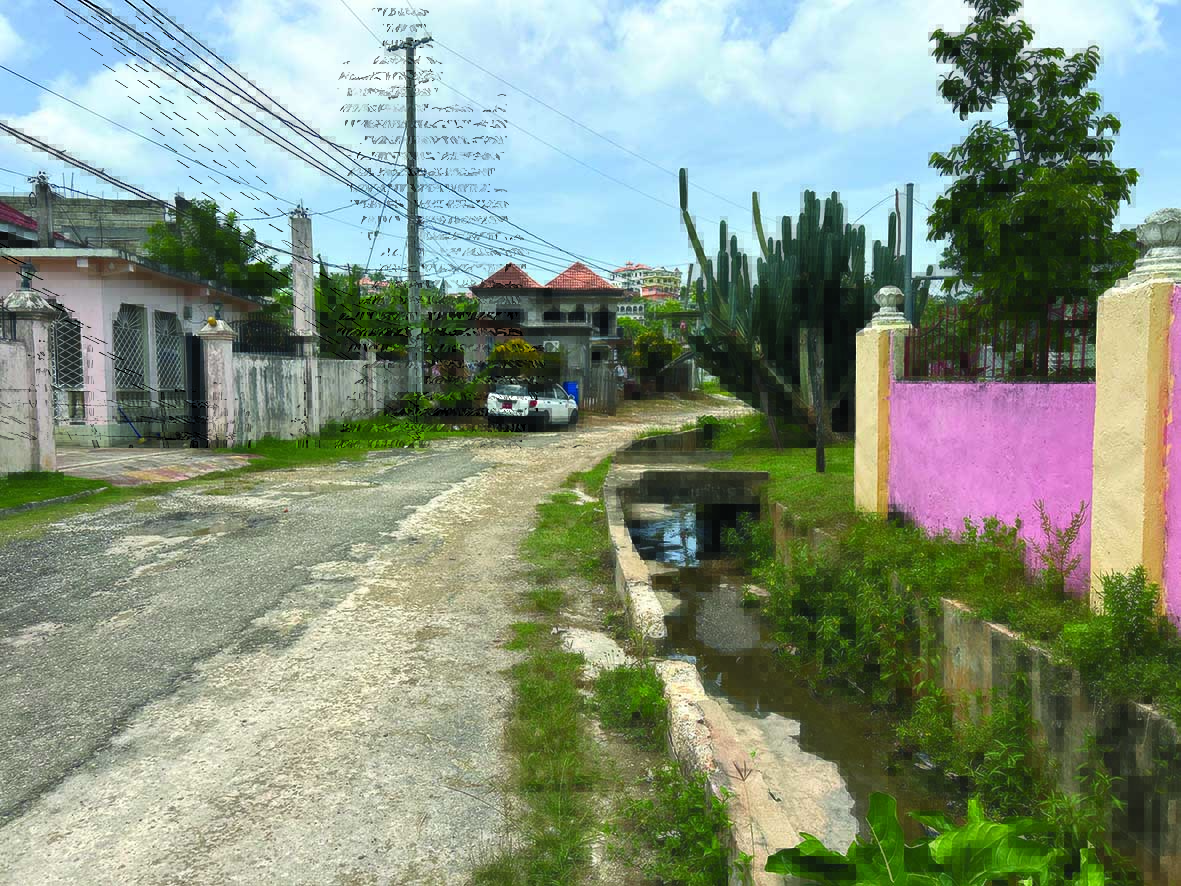
Without street lights, residents say walking through the community Is unsafe at nights, with reports of a recent robbery by carried out by armed men one night.
-
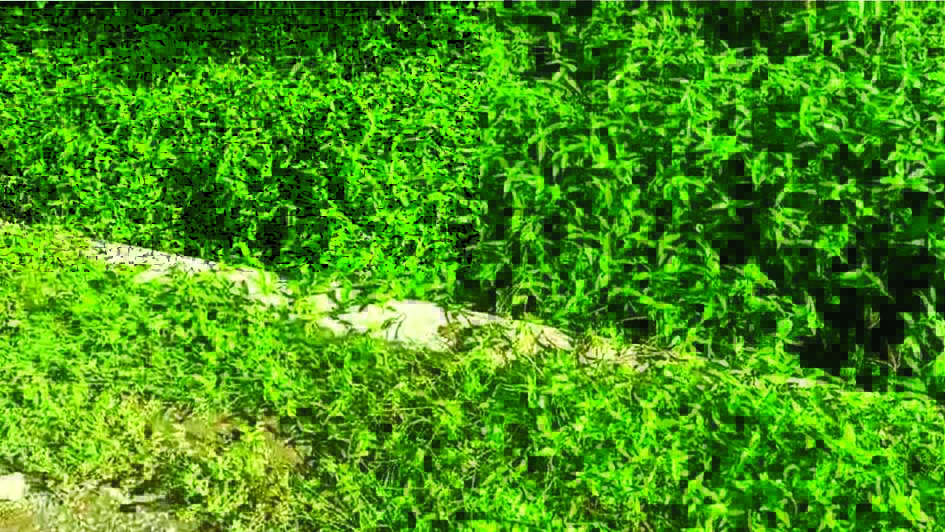
A neglected drain in the Whitehall scheme.
-
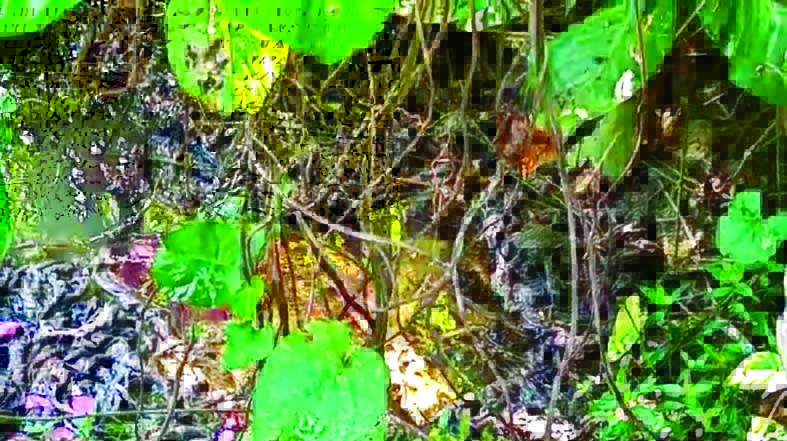
Sewage flowing in a section of the community during a visit by The Sunday Gleaner earlier this month.
-
WESTERN BUREAU:
Raw sewage running through yards. Roads so broken, ambulances struggle to enter. Residents forced to wait up to six weeks for garbage collection. Entire sections of the community plunged into darkness without electricity or streetlights.
For the people of Whitehall in Negril, Westmoreland, these are not isolated inconveniences. Residents say they are daily realities in a community they claim has been abandoned by the very agencies responsible for its development.
After years of what they describe as broken promises, failed meetings, and government inaction, the residents are demanding answers.
The latest flashpoint came after representatives from the Housing Agency of Jamaica (HAJ) reportedly pulled out of a long-planned stakeholder meeting on Thursday, April 30, minutes before it was scheduled to begin, despite previously confirming attendance.
“This last-minute withdrawal reflects a troubling disregard for the residents and stakeholders who assembled in anticipation of meaningful engagement,” the Whitehall Citizens’ Association said in a strongly worded protest letter sent to HAJ leadership.
The association also rued the absence of representatives from the Westmoreland Municipal Corporation (WMC) and the National Solid Waste Management Authority (NSWMA), describing the no-shows as part of a wider pattern of institutional neglect.
Speaking with The Sunday Gleaner, Whitehall Citizens’ Association president Patrick Morris said residents have spent nearly a decade raising the same concerns with little to show for it.
“In 2016, the Whitehall Citizens’ Association, the Housing Agency of Jamaica, the political directorate, the National Water Commission, [the National] Solid Waste Management Authority, JPS (the Jamaica Public Service Company), [Westmoreland] Municipal Corporation, the police, SDC (Social Development Commission), as well as the Jamaica Fire Brigade, we had our initial stakeholders’ meeting,” Morris recalled.
“Then the HAJ was represented by its executive director, Mr Carl Bennett. He proposed that we had a monthly meeting to deal with the issues concerning the community. We had one such meeting [that the HAJ attended] afterwards and no more,” he added.
Morris said the community has since held at least seven stakeholder meetings without HAJ representatives, with residents repeatedly raising concerns about roads, drainage, sewage, electricity, water shortages, governance, and garbage collection.
“From the beginning, the Housing Agency has always said that they don't have the money to do all the things that are to be done within the community,” he said.
According to Morris, Whitehall remains trapped in limbo because the development has still not been brought to a standard suitable for handover to the municipal corporation.
Residents say the scheme is one of many that were being developed under Operation PRIDE in the 1990s. Those projects now fall under the purview of the HAJ.
Several attempts by The Sunday Gleaner to get comments on the issues facing the community from the HAJ over the past few weeks have been unsuccessful. Managing Director Doreen Prendergast said she was not versed on the issues facing the community and would prefer to meet with the residents before commenting publicly. She said the agency intends to meet with the community soon, although she could not state a date.
Among the issues plaguing the community are poor roads, open drains, sewage flowing through sections of the community, overgrown lots, poor lighting, incomplete electricity infrastructure, and inconsistent garbage collection.
“Even though NSWMA has made a commitment, we are still at about six weeks for the removal of garbage,” Morris said recently. “On the housing scheme, it is done every week unless they have a problem. But here in Whitehall, whether it be phase one, two or three, that doesn't happen.”
He questioned how funds collected from residents have been used.
“They said that there was about $170 million which was outstanding in phase one, and at our last stakeholders meeting, Mr Meredith was on record to say less than 30 lots have an outstanding balance. So the question is, if they are collecting the money, why is it that we're not seeing the work from the funds that they are collecting?”
Residents say the deteriorating conditions have affected both their livelihoods and property values.
“Right now, I pay something like about $6,500 and I sit on approximately a sixteenth of an acre of land,” Morris said while discussing property taxes. “But for that, we get nothing. We honestly don't get anything.”
He argued that Whitehall residents are being treated unfairly because many are working-class Jamaicans.
“If we were all moneyed people, would they have behaved in the way that they are now dealing with us? I doubt it very much,” he said.
The lack of electricity and streetlights has also fuelled fears around crime and security.
“At certain times of the night, you have to be careful which area you walk, because if you're not careful, you can be robbed,” Morris said.
Former Whitehall Citizens Association president, Lurline Tait, said residents are growing increasingly frustrated by chronic water shortages despite living near storage tanks.
“We only get water two or three times a week right now,” Tait said. “Sometimes they turn it on in the morning and by 10 o'clock they turn it off.”
She questioned why residents are forced to buy water while tanks in the community overflow.
“We also have two massive tanks on the property that is supposed to give us water,” she said. “None of the phases are getting water from the tanks but the water is constantly running on the road going straight down to the square into the river.”
Tait said residents continue paying taxes despite receiving few basic services.
“What are you paying for? You're not getting nothing. What are we paying for?” she asked.
She also criticised the poor garbage collection system, claiming some residents were forced to dispose of garbage themselves after collections stopped for months following Hurricane Melissa.
“After the hurricane, we didn't see them until February,” she said. “So what we do, who could go and put it out by the bus park (skip) went and did that.”
Another resident, Charm Grey, described Whitehall’s infrastructure problems as “life-threatening”.
“The road condition is atrocious,” Grey said. “There are some areas that you actually have to ask yourself if people are actually living there.”
Grey recounted an incident in which an ambulance nearly overturned after becoming entangled in low-hanging electrical wires or what locals refer to as ‘cobwebs’.
“When the wire hooked the ambulance, it was on two wheels,” she said. “And I'm not exaggerating.”
She also said there were health concerns due to the poor garbage collection.
“You have to think in terms of mosquito. You have to think in terms of leptospirosis,” she said. “The health issues are a concern.”
She said residents feel abandoned despite having paid for their lots and homes.
“I have purchased a serviced lot, built my house around here, pay off for my land, and I'm waiting for the area to be developed in a sense that I can have some comfort,” Grey said. “We're not asking for much. All we're asking for is that which we have paid for.”
Grey also raised concerns about emergency access after watching a house burn down before firefighters could adequately respond.
“I timed it,” she said. “That house burned down under 10 minutes. By the time the fire truck was able to reach, all they could do was a cooling-down exercise.”
Resident Laurette Nelson, who has lived in Whitehall since 2005, said residents have repeatedly heard promises but seen little progress.
“We've had several meetings since and we keep getting the same [promise] – ‘Yes, we'll do our best’ – until recently when we are now told, ‘Well, we can't do anything; we haven't got any money’,” Nelson said.
Member of Parliament for Western Westmoreland, Ian Hayles, acknowledged residents’ concerns and said he intends to raise the matter with the Government.
“I'm going to be having a meeting with Minister [Robert] Montague in regards to some of the outstanding situations that is in Whitehall,” Hayles said.
He pointed to issues involving infrastructure, roads, electricity, and water, while noting that the development has still not been turned over to the municipal corporation.
“The residents of Whitehall are suffering,” Hayles said. “A lot of people work hard and pay off for their lots ... and they deserve better.”
Hayles said there are concerns about whether funds collected for infrastructure improvements were properly utilised.
“There's an argument that funds have been paid over to government in terms of ensuring that the infrastructure is put in place, and it's not,” he said.
For residents like Morris, however, patience is wearing thin.
“I would love for the people who are supposed to be making our lives better come in and do what is right,” he said. “For the time being, we just have to view this as our little Beverly Hills or our Mango Walk or our Cherry Gardens.”
mickalia.kington@gleanerjm.com