Earth Today | New EFJ podcast unpacks climate challenge for Jamaicans
Loading article...
-
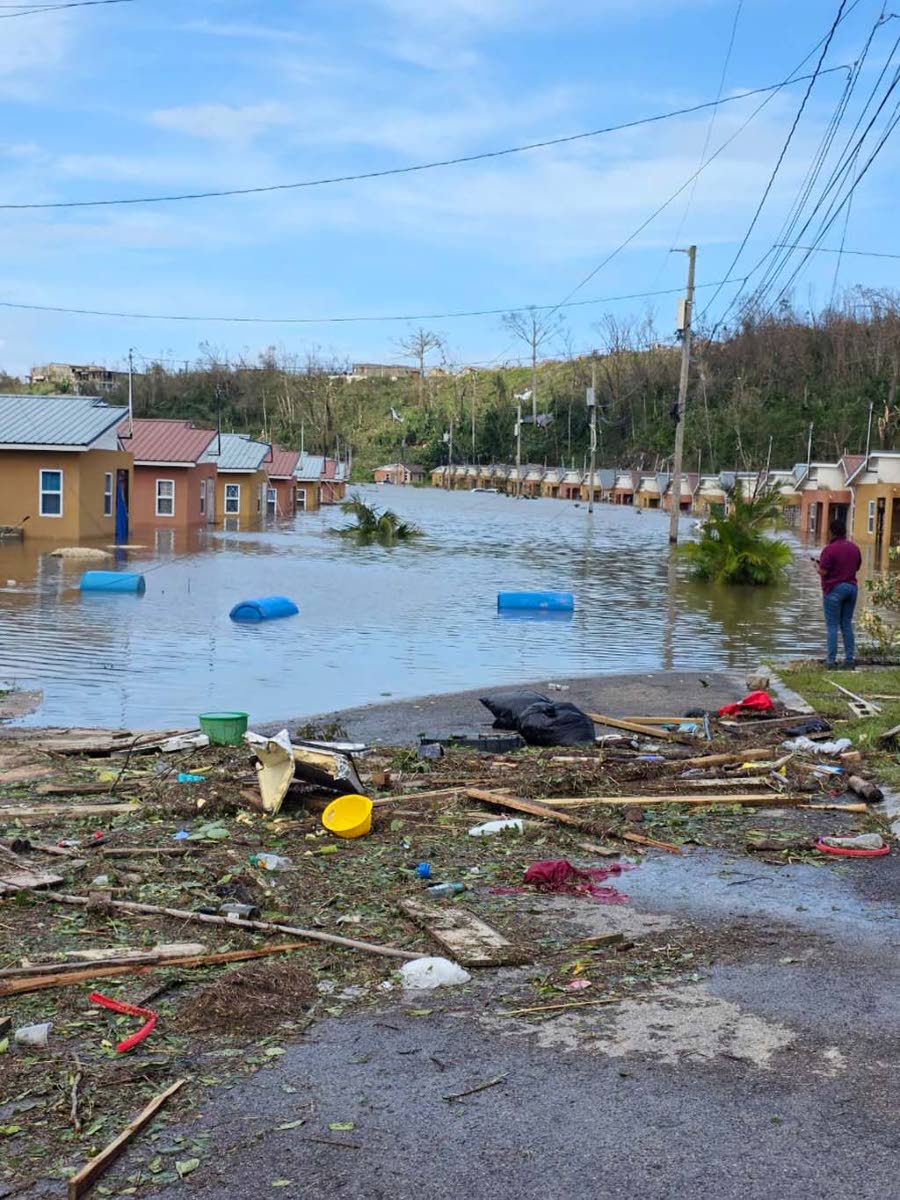 A section of Estuary in St James.
-
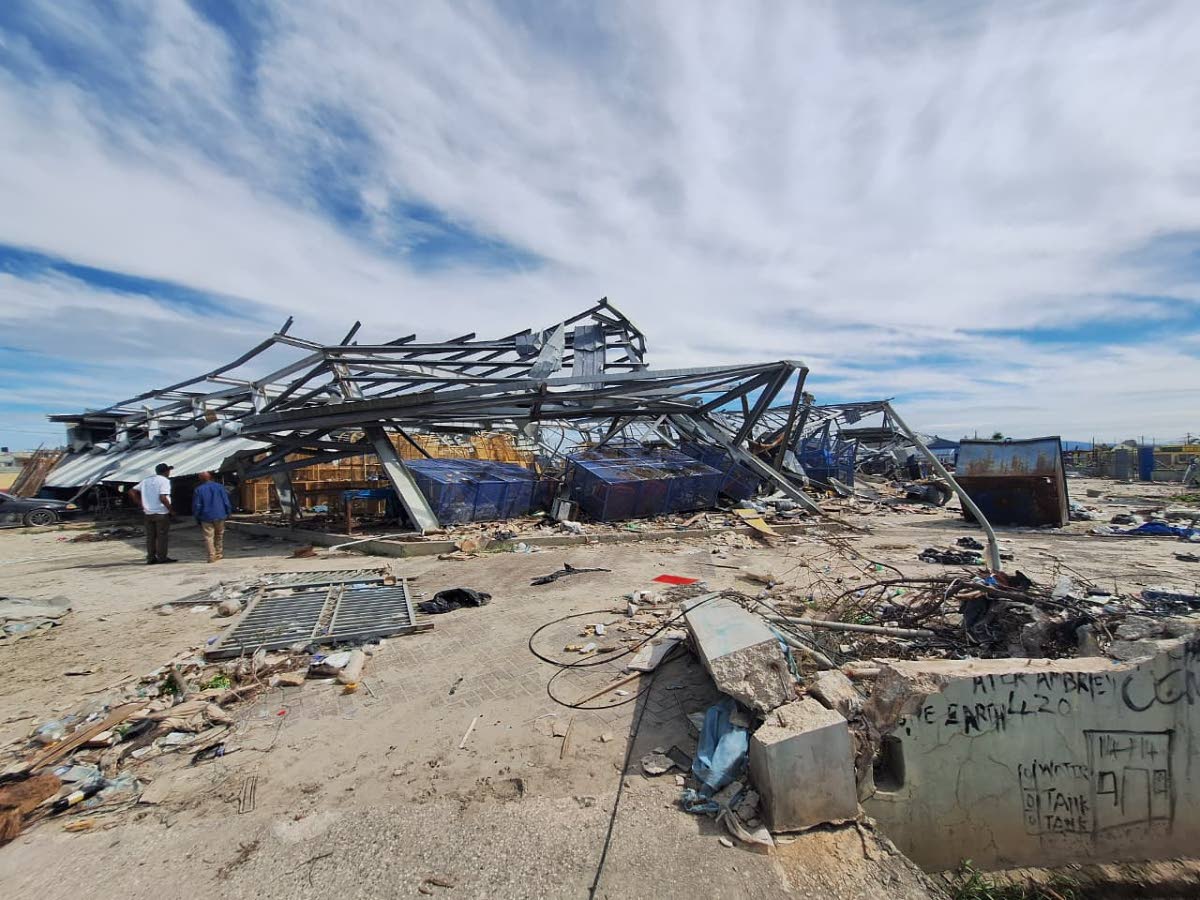 The mangled remains of the Black River Market in St Elizabeth following the passage of Hurricane Melissa on October 28, last year.
-
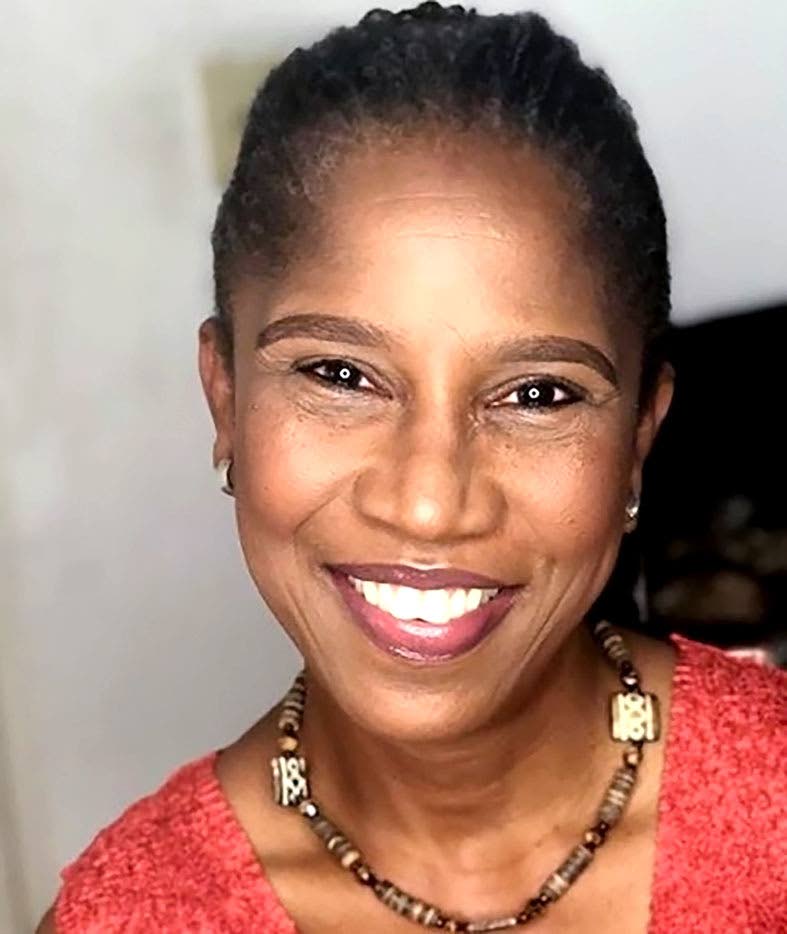 Carol Narcisse is host of the EFJ’s new podcast, Resilience… Naturally!
THE PUBLIC now has the benefit of a new a podcast, one intended to help them make sense of climate change impacts, while placing them at the centre of conversations about how readiness can be strengthened and their ability to bounce back after disaster enhanced.
Called Resilience… Naturally! and streamed from platforms including Spotify and Apple Podcasts, the podcast is produced by the Environmental Foundation of Jamaica (EFJ) through the Jamaica Urban Solutions for the Environment (J-USE) initiative.
J-USE is a five-year effort to transform Jamaica’s urban spaces through the integration of nature-based solutions, which rely on the protection, sustainable management and restoration of ecosystems to solve problems. Officially launched last year, it is financed through Global Affairs Canada.
The podcast – the first episode of which is available on under the title ‘Readi or not, hurricane a come’ – adopts an approach that uses what the EFJ said “relatable, everyday conversations that connect research, lived experiences, and practical action in a way that feels accessible and relevant”.
The first episode, which runs just under 41-minutes long, features Ronald Jackson, head of disaster risk reduction and recovery at the United Nations Development Programme, together with host Carol Narcisse, a respected civil society advocate and gender specialist; and Rashene Clarke-Randall, an urban and regional planner.
“Too often, climate discussions feel distant or technical. This podcast brings it home, grounding it in Jamaican realities, voices, and solutions that people can see themselves in,” Narcisse has said.
This approach is considered especially important, given the clear and present danger of climate change, amplified by the passage of Hurricane Melissa, which trampled Jamaica last October, leaving death and billions of dollars in damage and lost livelihoods in its wake.
The category-five storm was an unpleasant wakeup call concerning what it means to have an extreme weather event as one of several climate impacts fuelled by the global consumption of fossil fuels, such as oil and gas; and which require new and additional, scaled responses. These include nature-based solutions, which are being championed by the EFJ and its partners on the J-USE project.
Upcoming podcast episodes are to feature conversations about urban farming and nature-based solutions; gender and socially inclusive climate solutions; as well as community action.
“This podcast is about more than just raising awareness. It’s about helping people understand where they fit in the climate conversation and giving them the tools and confidence to act, whether that’s in their community, their workplace, or even at a policy level,” noted Reneiquca Walker-McKnight, one of the podcast’s co-hosts.
pwr.gleaner@gmail.com