Yvonne Wilks-O’Grady | Brand Jamaica at risk?
Loading article...
-
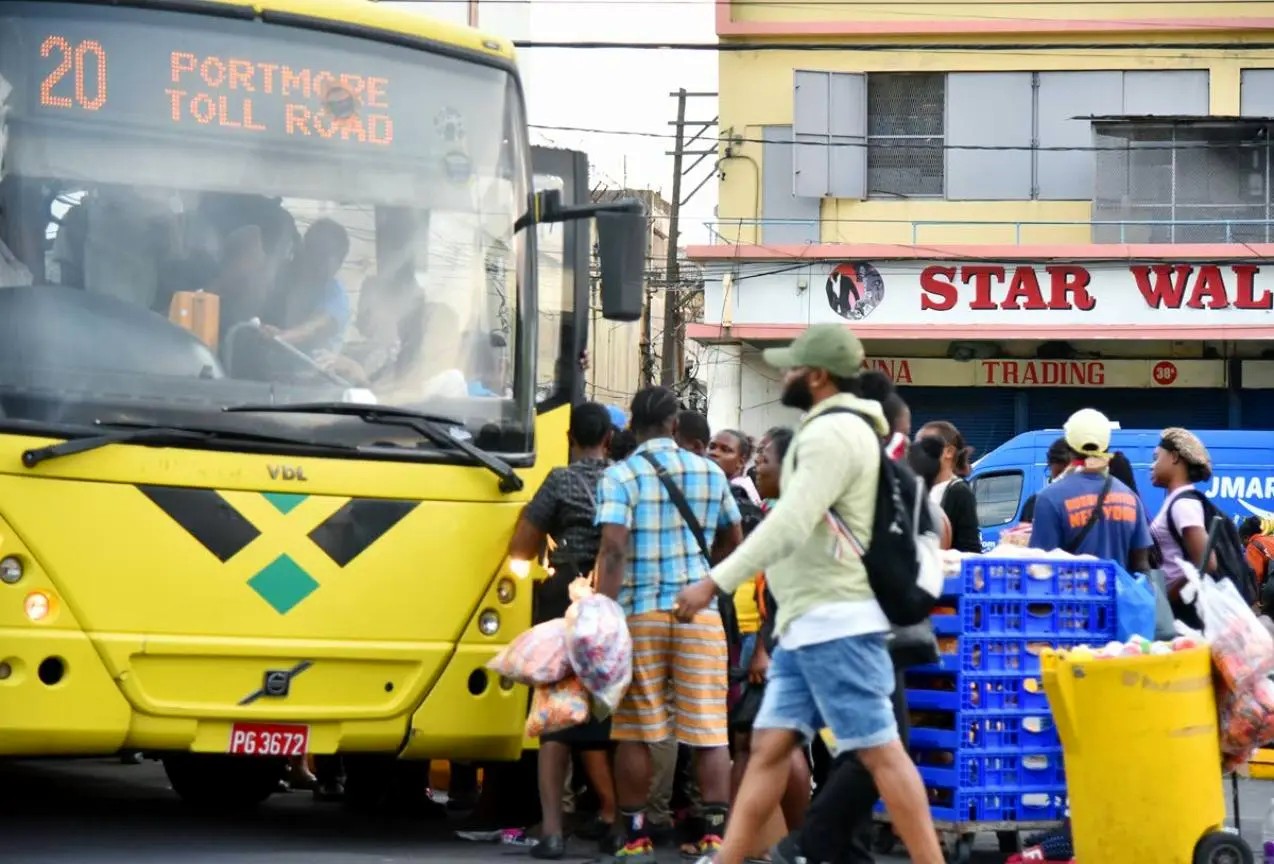
This file photo shows commuters boarding a JUTC bus in downtown Kingston
-

Yvonne Wilks
There are moments in public life when a government decision leaves citizens asking one simple question: What were they thinking?
If reports are correct that Jamaica has entered into an arrangement that could see foreign nationals with serious criminal convictions being accepted into our country as part of wider migration or visa-related agreements, then the Jamaican people deserve a full explanation. I say this as a Jamaican mother, daughter, sister, and resident. I have no particular political affinity.
For decades, we have fought an exhausting battle against crime and violence. Successive governments have invested millions of dollars in policing, community programmes, security initiatives, and the justice system in an effort to reduce violent crime. Families continue to live with fear, businesses pay heavily for private security, and communities struggle to break cycles of violence.
Against this backdrop, it is difficult to justify any policy that could introduce additional risk by allowing non-Jamaican individuals with serious criminal histories to enter the country.
Even if the numbers are relatively small, the principle is troubling. The first duty of any government is to protect its own citizens. That responsibility should never become negotiable.
There is another issue that appears to have received far too little attention: the impact on Brand Jamaica.
For generations, Jamaica's tourism industry has carefully built one of the world's most recognisable destination brands. Through sustained investment, international marketing campaigns, and the extraordinary warmth of our people, Jamaica has been positioned as paradise — a place of sunshine, music, culture, hospitality, and unforgettable experiences.
Year after year, Jamaica wins prestigious international tourism awards. Millions of visitors choose our island because they believe it offers beauty, excitement, and safety.
FRAGILE
Brand reputation is fragile.
If international headlines begin associating Jamaica with becoming a destination for foreign criminals, the reputational damage could far exceed whatever diplomatic benefits this agreement is intended to achieve. Tourism depends heavily on perception. Once confidence begins to erode, rebuilding it can take years and cost millions.
This is not simply a security issue. It is also an economic issue.
Tourism supports thousands of Jamaican jobs — from hotel workers and taxi operators to craft vendors, entertainers, restaurateurs, farmers, and small-business owners. Any policy that risks undermining confidence in Brand Jamaica deserves the highest level of public scrutiny.
No one is suggesting that Jamaica should abandon its international obligations or refuse responsible cooperation with friendly nations. Strong international partnerships matter. Visa arrangements matter. Good diplomatic relations matter.
But those objectives should never come at the expense of public safety or the integrity of the Jamaican brand.
The Government should, therefore, publish the full details of any such agreement. Jamaicans deserve to know:
- Who exactly would be eligible for transfer?
- What categories of criminal convictions are covered?
- What security screening would take place?
- What monitoring arrangements would exist?
- What assessment has been made of the potential impact on tourism and national security?
TRANSPARENCY
Transparency builds trust. Silence creates suspicion.
The Jamaican people have sacrificed too much in the struggle against crime to accept policies whose consequences have not been openly debated.
One hopes that before this policy proceeds any further, the Government pauses, reflects carefully, and asks itself a simple question: Does this decision strengthen Jamaica, or does it have the potential to weaken the very brand we have spent generations building?
Yvonne Wilks-O’Grady is a media practitioner. Send feedback to columns@gleanerjm.com