Miss Lou’s legacy demands more
Loading article...
-
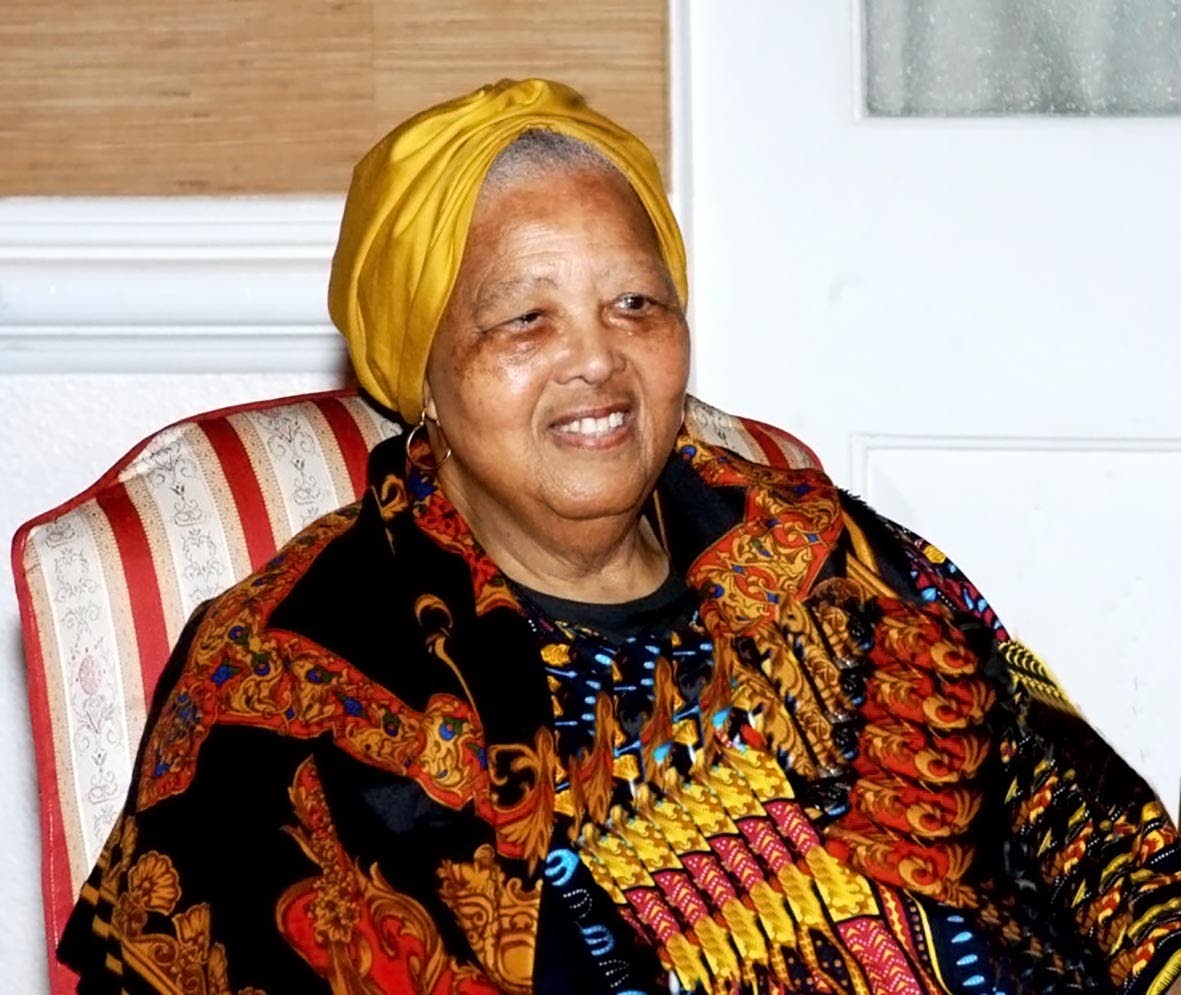 Louise Bennett-Coverley, Jamaica’s beloved Miss Lou, would have turned 108 on September 7.
-
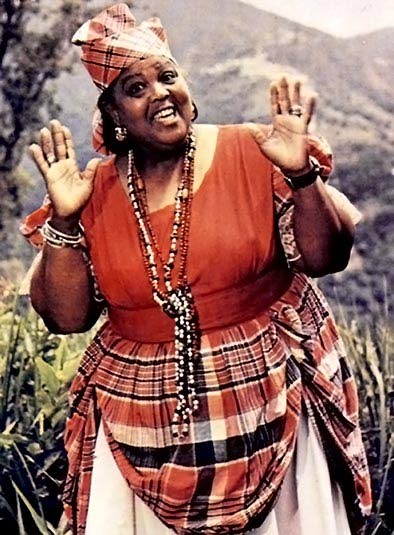 A revolutionary voice, Miss Lou taught Jamaicans to see their language, culture and identity not as something to hide, but as something to celebrate.
-
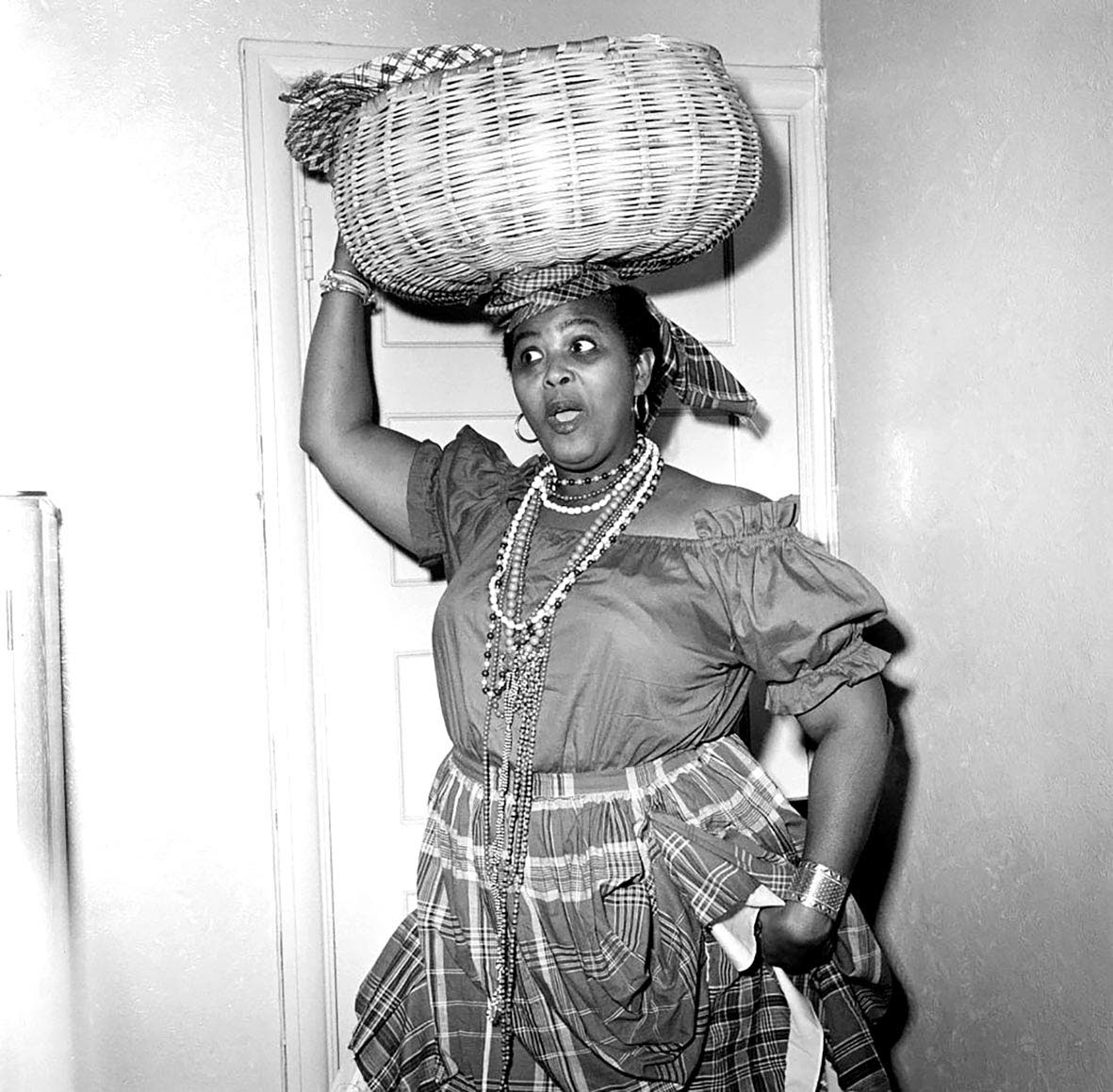 Miss Lou’s legacy lives on in the language, laughter, poetry and culture she championed throughout her life, but there is still more that can be done to preserve, celebrate and carry her work forward.
On September 7, Louise Bennett-Coverley, our beloved Miss Lou, would have marked her 108th birthday.
Every year, we praise her. We quote her. We celebrate her poetry, her performances, her wit, her irreverence and her extraordinary contribution to Jamaica. We speak about her as a national icon, a cultural treasure, a woman who gave voice and legitimacy to the Jamaican people.
And yet, I continue to ask: What does it really mean to celebrate Miss Lou?
Whenever I speak about Miss Lou and insist that her contribution to Jamaica deserves much more than ceremonial recognition, people applaud. They agree. They tell me how important she was. There is often enthusiastic support in principle.
But when it comes to actually supporting the work required to keep her legacy alive, particularly through sustained, meaningful investment in an annual Louise Bennett-Coverley Festival and programmes for our children, the enthusiasm becomes silence.
Even our Louise Bennett-Coverley Children’s Symposium Festival, which seeks to introduce young Jamaicans to the richness of their own cultural heritage, has been met with little response from many of the institutions and officials whose support should be fundamental.
This contradiction troubles me, because the revolutionary power of Miss Lou’s work has never been fully understood.
We are a supposedly post-colonial society. We celebrate our independence. We wave our flag. We sing our national anthem. We proclaim our pride in being Jamaican.
And yet, when a government official suggests that speaking the Jamaican language in Parliament is “inappropriate”, I am stopped in my tracks by the coloniality of such a statement.
What, exactly, have we become independent from if we continue to regard the language of our own people as somehow inferior, unsuitable or embarrassing?
English is Jamaica’s official language. Most of us speak it. Many of us are educated in it. There is nothing wrong with being multilingual. In fact, there is enormous value in being able to move between languages and registers, as the late Nelson Mandela understood in insisting that South Africa embrace all its people and make its 12 languages official. What vision and foresight!
Yet Jamaica possesses something extraordinary: a language that is ours.
Visitors do not come to Jamaica simply to hear English spoken with a Jamaican accent. They come for reggae. They come for jerk chicken and ackee and salt fish. They come for the rhythms, stories, humour, gestures, creativity, and they come to hear us speak.
Our language is part of the experience of Jamaica because our language carries Jamaica’s history. The Jamaican language is not broken English. It is not evidence of intellectual deficiency. It is not something that educated people should have to abandon at the door of Parliament, the university, the courtroom, the classroom or the boardroom.
It is a product of our history and our survival. Jamaican speech has deep African linguistic roots, including influences from Twi and other West African languages spoken by people brought here through the transatlantic slave trade. Its grammar, rhythms, vocabulary and structures bear traces of the many peoples and languages that came together under the brutal conditions of colonialism.
And this is precisely why language matters.
Nutten nu wrong wid yu
Colonialism did not merely exploit our labour and resources. It sought to shape how we saw ourselves. It taught the colonised to measure themselves against the coloniser, to believe that what came from Europe was sophisticated, proper and worthy, while what emerged from African-descended communities was crude, inferior and in need of correction.
Miss Lou refused that premise. She stood before us and said, in effect: Look pan oonu self. Listen to oonuh self. Nutten nu wrong wid yu.
Her use of Jamaican language was therefore not simply a stylistic choice; it was an act of cultural affirmation. It was resistance.
Revolution is not always about guns, battles and the overthrow of governments. Jamaica has a long history of people who resisted through armed struggle, from Nanny of the Maroons to Paul Bogle and others who refused to accept the conditions imposed upon them.
But the most significant revolution is the one that takes place in the mind. Revolution is the moment when a people begin to see themselves differently. It is the moment when we stop asking whether we are good enough according to someone else’s standards and begin asking what we have preserved, created and contributed.
Miss Lou understood this. She wrote in Jamaican language. She performed in it. She made audiences laugh through it. She used it to hold up a mirror to Jamaica.
And what a mirror it was!
She reminded us that our black skin was beautiful, that our full lips were beautiful, that our kinky hair was beautiful, that our ways of speaking were worthy, and that our Jamaican experience was worthy of artistic expression.
She did not tell us that we had to choose between the Jamaican language and English. She showed us that we could possess both, and that being multilingual should be a strength rather than a source of shame.
That lesson remains urgently relevant. Because the question before us is not simply whether Jamaican language should be spoken in Parliament. The larger question is: Do we truly value ourselves?
If we do, then our language cannot be relegated to comedy, tourism advertisements, informal conversation and entertainment while English remains the language of seriousness, authority and intelligence.
Our children deserve better. They deserve to know that the language they hear at home is not something they must shed to become educated. They deserve to study its history and structure. They deserve scholars who take it seriously. They deserve institutions that recognise it as an important part of Jamaica’s intellectual and cultural heritage.
Moreover, they deserve a society that understands that cultural preservation is not accomplished by praising our ancestors once a year. It requires investment.
That is why the Louise Bennett-Coverley Festival exists and is committed to keeping Miss Lou’s legacy alive not as a museum piece, but as a living, breathing force, especially for the next generation. We want children to encounter Miss Lou not simply as a name in a textbook or a statue to be photographed, but as a revolutionary voice whose work can help them understand who they are.
If Miss Lou were alive today, she would be 108 years old. We celebrate her because she is an ancestor on whose shoulders we proudly stand. But celebration without investment is little more than lip service.
Do more than applaud
So, as we mark the 108th anniversary of her birth, I ask that we do more than applaud. Let us support the programmes that carry her legacy forward. Let us invest in our children. Let us take Jamaican language seriously. Let us recognise the scholars, artists, teachers and cultural workers who continue this work. And, most importantly, let us listen to what Miss Lou was telling us all along: that Jamaican language is not a corruption, but, like all languages, is derived from a proud and resilient people.
We are enough. Our language is enough. Our culture is enough. Our history is worth knowing. Our Jamaican-ness is not something to apologise for. It is something to understand, protect and celebrate.
Thank you, Miss Lou, for your revolutionary spirit. Thank you for being a voice of change, a voice of understanding, a voice of appreciation and, above all, a voice that taught us to look at ourselves and recognise our worth.
As we mark the 108th anniversary of your birth, may we finally move beyond saying how important you were and begin demonstrating through action, education and investment how important you still are.
Bless up. Big up. Not only Miss Lou, but Big up Jamaica.
Professor Opal Palmer Adisa is a cultural and gender activist. Email feedback to entertainment@gleanerjm.com.