Renewal and change as Notting Hill Carnival turns 60
Loading article...
-
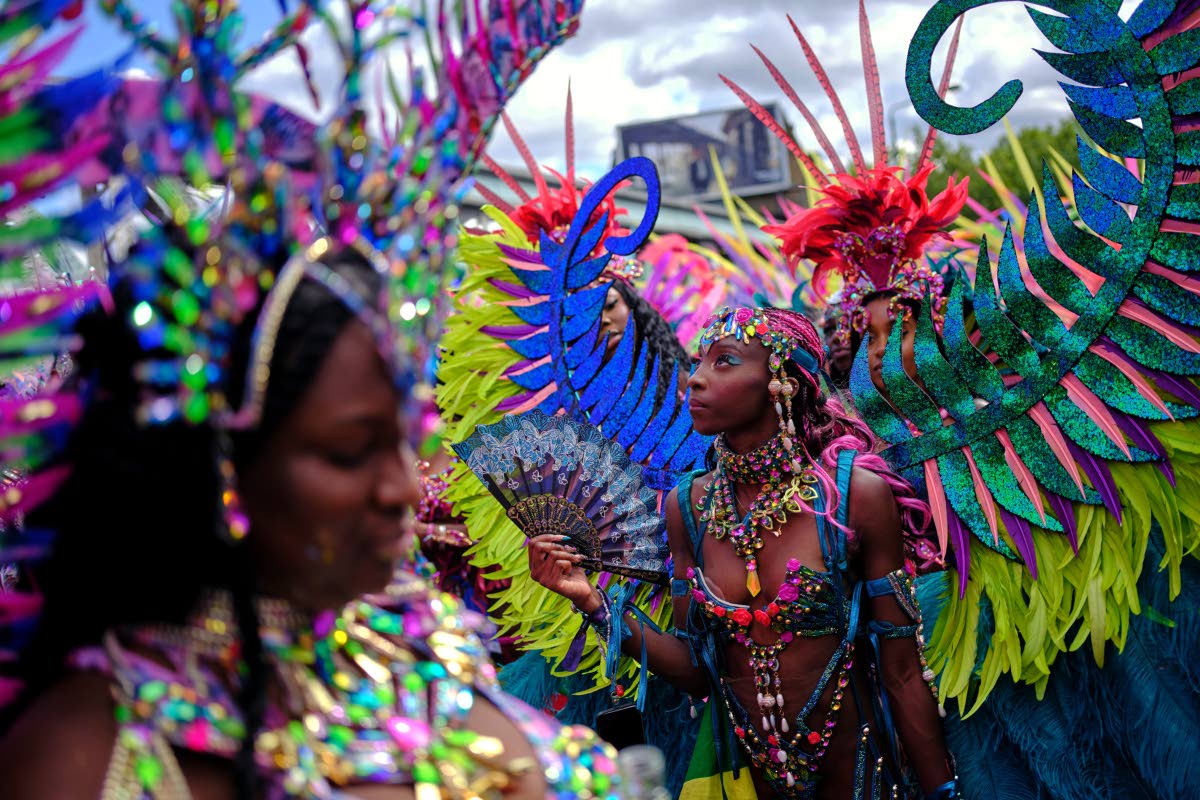 Revellers celebrate the Notting Hill Carnival in London on Monday, August 31, 2026.
-
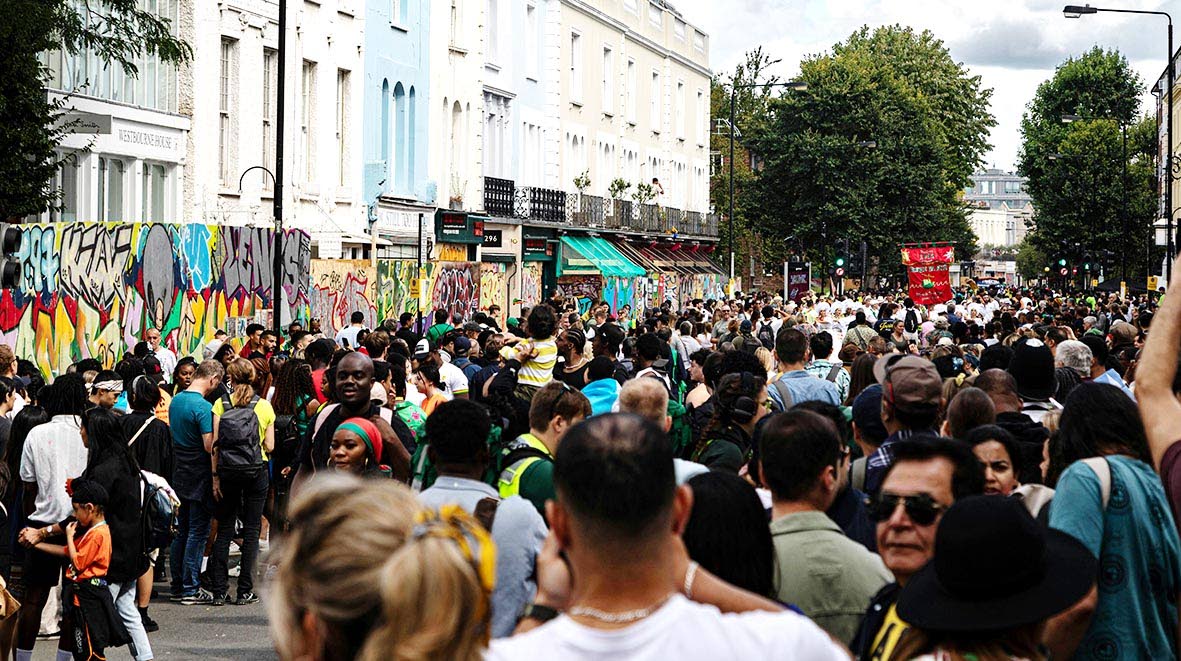 Locals and tourists of all ages and ethnicities come together for the Notting Hill Carnival, the biggest such event in Europe.
-
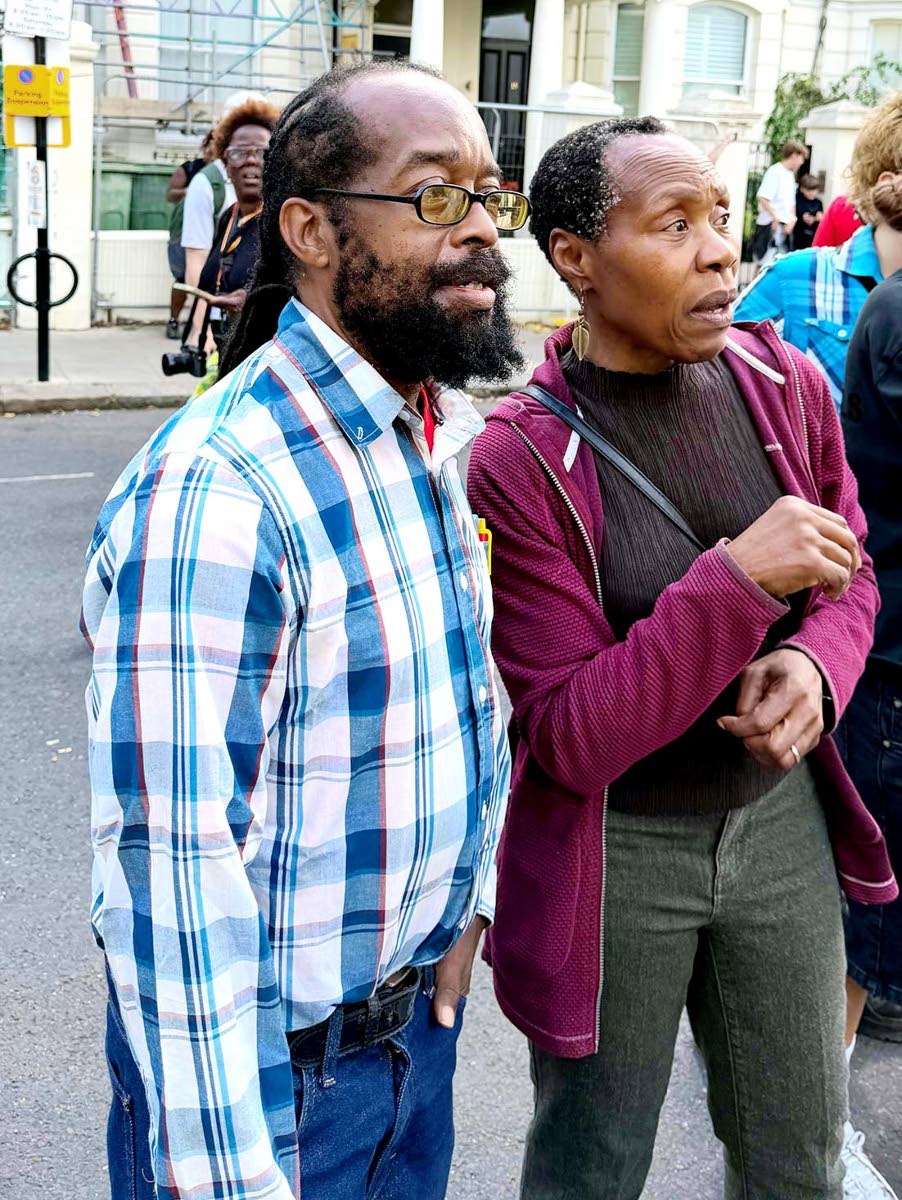 Jamaican cultural specialist Dr Michael Barnett (left) and former Notting Hill Carnival chairperson Dr Claire Holder observe some of the activities at this year’s carnival.
-
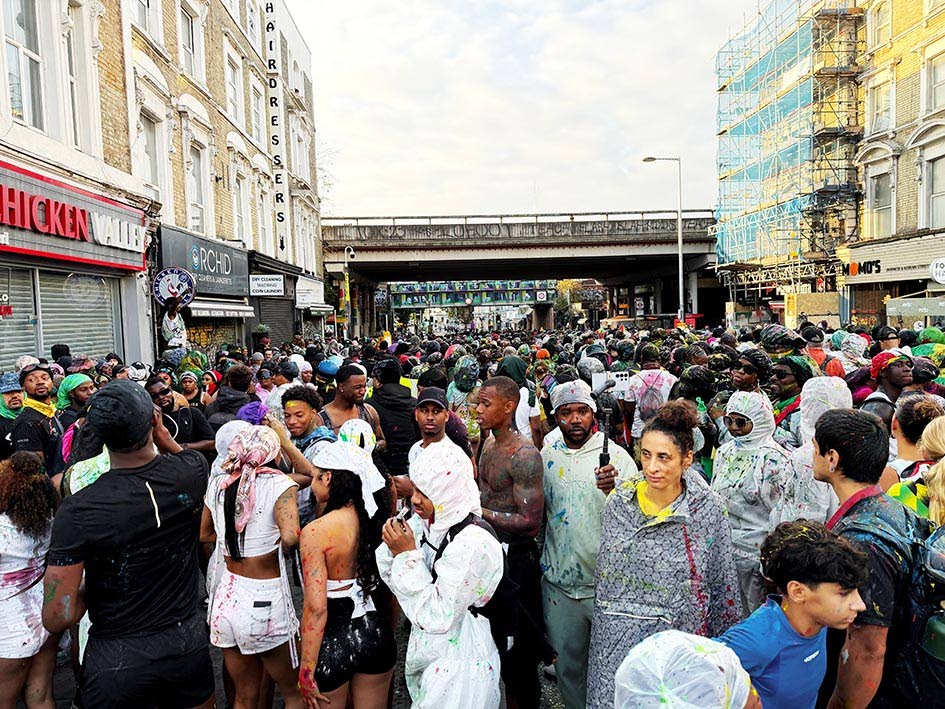 Crowds gather early Sunday morning in Notting Hill, London, for the start of J’ouvert 2026.
-
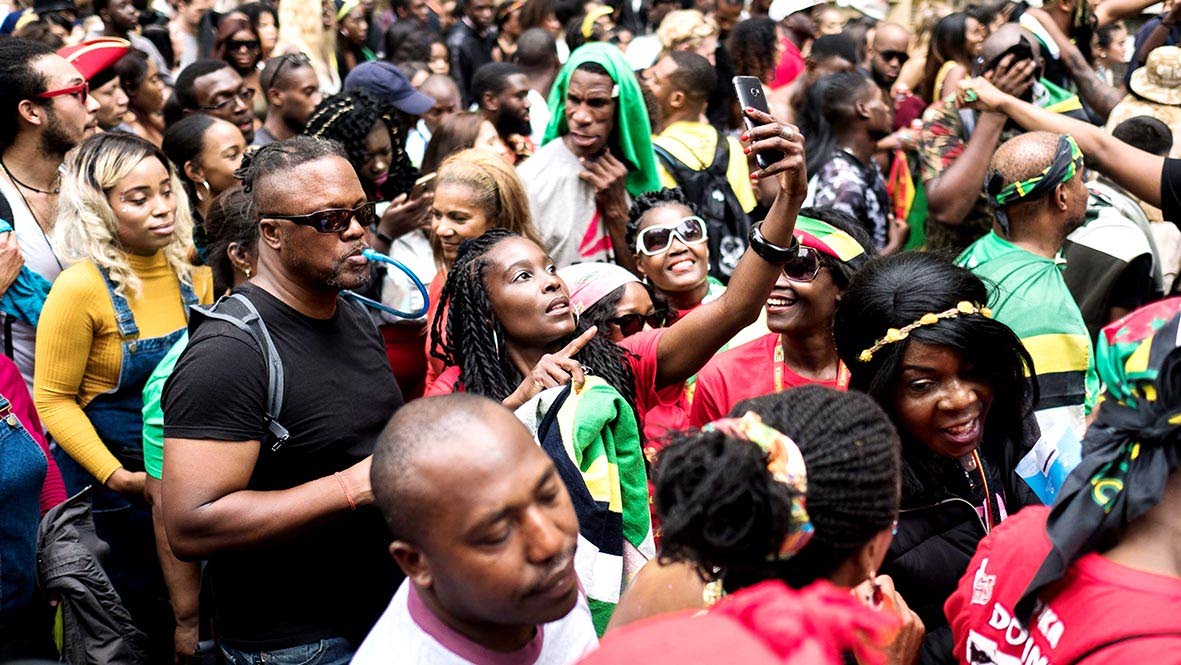 Notting Hill, London, welcomes over two million revellers for its annual carnival.
The Notting Hill Carnival in London, the largest street carnival event of its kind in Europe, is now 60 years old. This year’s staging took place over the last weekend, culminating on Monday. I caught up with Dr Claire Holder, a passionate, diehard carnival supporter and London resident who has watched the event bloom and grow over the decades from her front-row seat as chairperson of the event from 1989 to 2002.
What is known today as the Notting Hill Carnival was born from the underbelly of political and racial oppression in the United Kingdom in the 1950s. It emerged from a need for blacks to walk the streets freely without barriers and hindrance, just as they would in any part of the Caribbean. An indoor Carnival-type event was first staged in 1959 as a response to race riots in Notting Hill in 1958. A few years later, in 1966, the festivities hit the streets with a steel band added, and that was instantly a magnet for Caribbean and other revellers of African descent to dress up, jump, prance, whine and shake. And suddenly, a carnival came into being on the streets of Notting Hill.
Ten years later, in 1976, more than 250,000 people showed up for the Notting Hill Carnival. Panic and alarm spread among the authorities. The optics of so many black people converging in one space had not been previously witnessed in the London metropolitan area. The police tried to lock down the celebration with the use of force. Revellers fought back, resulting in the Carnival Riots of 1976. Trying to suppress a Caribbean carnival only creates more hunger for the event, and by 1980, over a million people attended, many of them black.
Gained respect
As Notting Hill Carnival moved into the ’80s, it gradually gained respect as those massive numbers cannot be sniffed at, even by the proverbial stiff upper English lip. Marketers salivated at potential opportunities. The organisers expanded and refined the entertainment offerings, serving up masquerade bands, mobile sound systems along the parade route and static sound systems at strategic points playing mostly reggae. Popular sound systems like King Tubby’s, Rampage, Aba Shanti and Saxon were flown in to whip the crowds into a frenzy. Deejays from Jamaica came in to perform too, and in recent times Notting Hill has been blessed with Luciano and Shaggy.
Holder, a Notting Hill Carnival expert, told The Sunday Gleaner that this cultural explosion has changed tremendously over the years. “The carnival has become more popular, and it is now firmly entrenched in the cultural fabric of the United Kingdom. The state has recognised the economic value of the Notting Hill Carnival and any efforts to ban the event have been abandoned,” Holder explained. In fact, for her Golden Jubilee in 2002, the late Queen Elizabeth II requested that the Notting Hill Carnival be included at the forefront of planning and execution of the national commemoration.
Under Holder’s tenure as chairperson between 1989 and 2002, Holder was successful in navigating the event through troubled waters. It was restructured and reimagined with other black communities from Europe, the Americas and Africa joining forces with the Caribbean. This expanded coalition enabled the carnival to attract crucial sponsorships from corporate giants such as Coca-Cola, Virgin Atlantic and Western Union.
For this year’s carnival, Jamaica’s dancehall luminary Konshens threw down a blistering performance, and the numbers reportedly moved past the two million mark, based on professional estimates. A younger and more ethnically diverse demographic came out in full force to enjoy the offerings. Families came out with children for J’ouvert as early as 6 a.m. The weather cooperated too, with rain clouds making way for soul-warming sunshine. The genres of music played were as diverse as the mouthwatering aromas of foods from across the black diaspora, and beyond.
It was clear to the organisers that a part of the overwhelming success of the carnival was due to a strong presence of the event on social media to pull the younger crowds, as was the case with the Rise Up Jamaica Parade in New York City a few weeks ago. Thousands of multilingual international tourists attending the extravaganza contributed to the boom. So too did makeshift food vendors who sold from every available space, including shops, doorways, front gardens, makeshift stalls and private homes.
“Notting Hill Carnival 2026 was a most enjoyable multi-ethnic, international celebration,” Mark-Anthony Abel, creative director and videographer for UK-based Clusterview, told The Sunday Gleaner. “I spent most of my time with stylish and flamboyant Jamaican flag-bearers on the Sir Lloyd Sounds stage in Westbourne Park rocking to jungle and reggae,” Abel added. “I am so proud of the black youths who came out to honour the ancestors and to sustain and protect our cultural heritage,” Dr Holder affirmed.
With another successful staging of the Notting Hill Carnival, revellers have their ears tuned and bodies already in motion for the West Indian Labour Day Parade tomorrow, Monday, September 7, in Brooklyn, New York.
entertainment@gleanerjm.com