Donna Mattis | A deepening dilemma - Government’s salary increases in 2023 loom over healthcare crisis
Loading article...
-
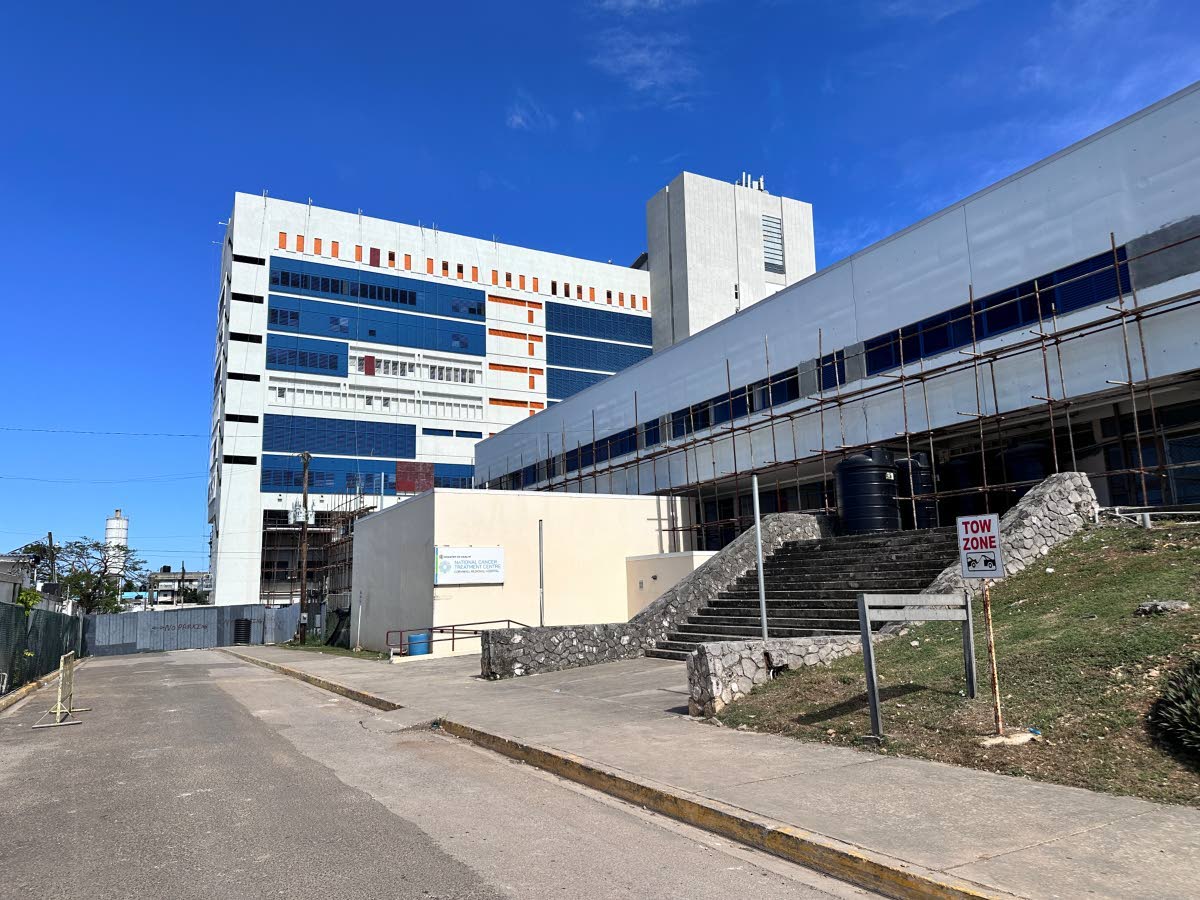
A section of Cornwall Regional Hospital in Montego Bay, St James on December 5, 2025.
-

Donna Mattis
In a striking contradiction, recent reports from the Jamaica Medical Doctors’ Association have highlighted that the healthcare sector remains on life support due to chronic overcrowding and dangerous understaffing, even as Parliamentarians received salary increases in 2023. These inflated increases were granted while the country was grappling with the same critical shortage of healthcare professionals and its inability to meet the financial demands of doctors and nurses across the nation.
The healthcare crisis has been unfolding for years. Many facilities lack basic medical equipment, and hospitals are often overcrowded, with patients frequently having to sit in chairs due to a severe shortage of beds.
The increasing discontent has exacerbated feelings of neglect and frustration among those on the front lines of patient care.
Frustration over the lack of resources and support has led to a high turnover rate and an exodus of skilled professionals seeking better opportunities abroad, aggravating an already strained healthcare system.
Figures published in 2025 by The Planning Institute of Jamaica revealed that the country loses an average of 500 specialist nurses to migration every year. The World Bank reported that Jamaica has about 1.3 physicians for every 1,000 people, lagging behind other countries like Cuba, due to the migration of doctors.
This alarming situation raises serious questions about the Government’s priorities and brings into sharp focus the Government’s commitment to providing reliable healthcare.
ALARMING DISPARITY
Jamaica spends $520 per person on healthcare. An alarming disparity when compared to other Caribbean islands. Trinidad & Tobago, for example, spends $1,931 per person, Barbados $1,302 per person, and the Bahamas $2,316 per person. Jamaica ranks #88 of 193 countries worldwide.
The situation is particularly dire at Cornwall Regional Hospital (CRH), the only Type A hospital in western Jamaica, and where not only has the originally estimated cost of $2 billion increased to $23.5 billion, approximately 12 times the original cost, but there will be yet another delay in the return of the facility to full operation, after a 10-year-long restoration project.
CRH is situated in a vibrant area that attracts countless visitors, and in a region that’s vital to tourism and local health, especially as Montego Bay serves as the tourist capital. Yet the hospital struggles to provide adequate care to its patients. Reports indicate that patients wait for hours without being seen, and the lack of hygiene standards in some facilities raises serious concerns about the quality of care being provided.
CRH’s struggles exemplify the broader issues facing the healthcare sector. Additionally, the Government’s decision to terminate the contract with Cuban doctors has intensified the situation, as these skilled professionals have historically played a crucial role in supplementing Jamaica’s healthcare workforce, particularly in underserved areas. The abrupt ending of their contract raises concerns about the Government’s commitment to ensuring accessible and quality healthcare for all Jamaicans.
The situation is further aggravated when data shows that less than one-quarter of Jamaicans have health insurance of any kind. Many Jamaicans are unable to afford health insurance due to inflated premiums. In some cases, those who have it are discouraged from exceeding the lifetime maximum benefit. As a result of poor insurance or lack thereof, many reserve medical attention for emergencies.
HAVEN’T IMPROVED
The figures haven’t improved significantly from those in the National Health Plan green paper tabled in Parliament (2019), where approximately 500,000 people of the 2.7 million living in Jamaica have health insurance, disenfranchising more than 80 per cent of the population to fund health care out of pocket. Consequently, many suffer months-long waits for diagnostic tests or surgical operations, or wait hours to receive general observation.
Patients suffering from chronic non-communicable diseases (NCDs) require lifelong management and interaction with the health-care system. Many of these numbers are among the elderly. A visit to public health-care clinics can be a marathon event, involving agonising hours of wait before any medical attention is received. If testing is required to support diagnosis in the public health system, which is also affected by delays, with some hospitals having no equipment, inevitably, there is always a long waiting period for the matter to be addressed.
The sum of these challenges paints a grim picture for Jamaica’s healthcare system. It reiterates the serious questions surrounding the Government’s priorities that drove the Advocates Network’s month-long lunchtime protests at Heroes Circle in 2023.
These disparities need urgent attention, along with a commitment to genuine reform if there is to be any hope of restoring confidence in the healthcare system. The public demands transparency and accountability, and urges the nation to redirect focus and resources toward strengthening healthcare and supporting the dedicated professionals who serve it.
The Government must take caution not to prioritise its own financial interests while the health and well-being of Jamaicans hang in the balance.
If a nation’s greatest wealth is the health of its people, the Government cannot stand by while the healthcare system continues to decline. Its developmental goals must reflect its responsibilities to the care of its citizens. The Jamaican people deserve a Government that values their health and well-being above all else. When will the Minister take responsibility for the failure?
Donna Mattis is an educator, advocate, social activist, and blogger. Send feedback to columns@gleanerjm.com