Jamaica secures US$200-million hurricane bond, bigger than expected
Loading article...
-
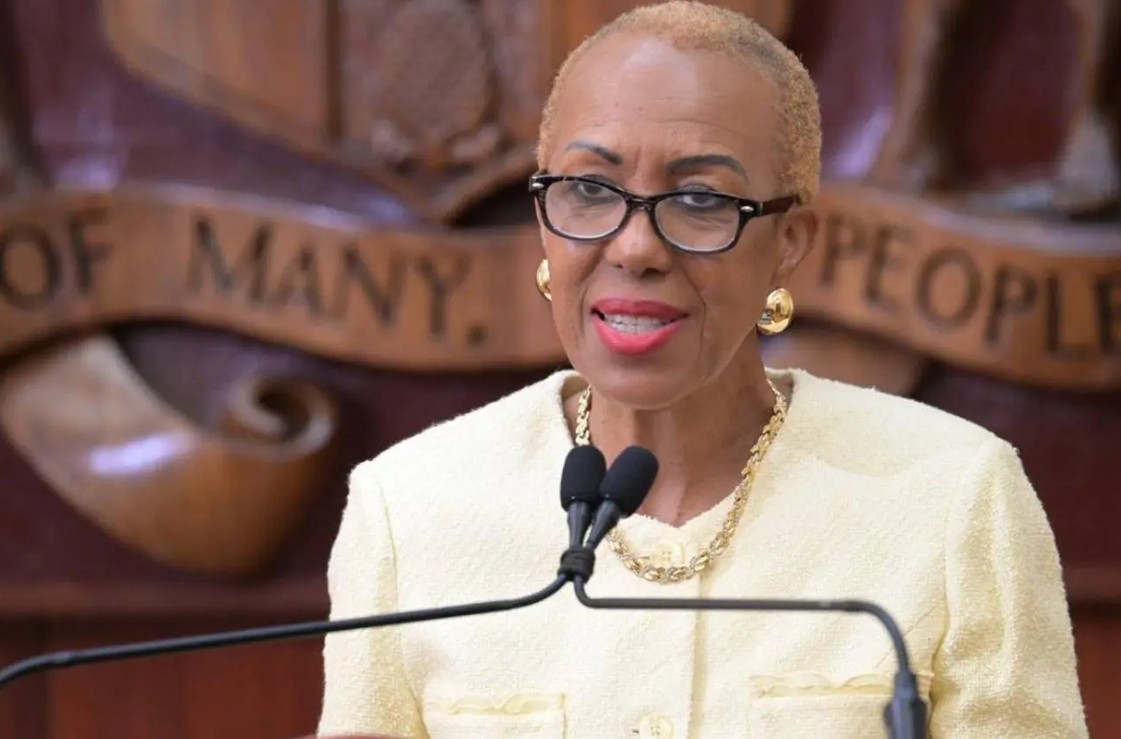
Minister of Finance, Fayval Williams. - File photo.
-
File photo.
Jamaica has secured US$200 million in parametric hurricane insurance through a World Bank-issued catastrophe bond.
The bond is US$50 million more than the government had initially sought after global institutional investors oversubscribed the offering, according to a World Bank press release.
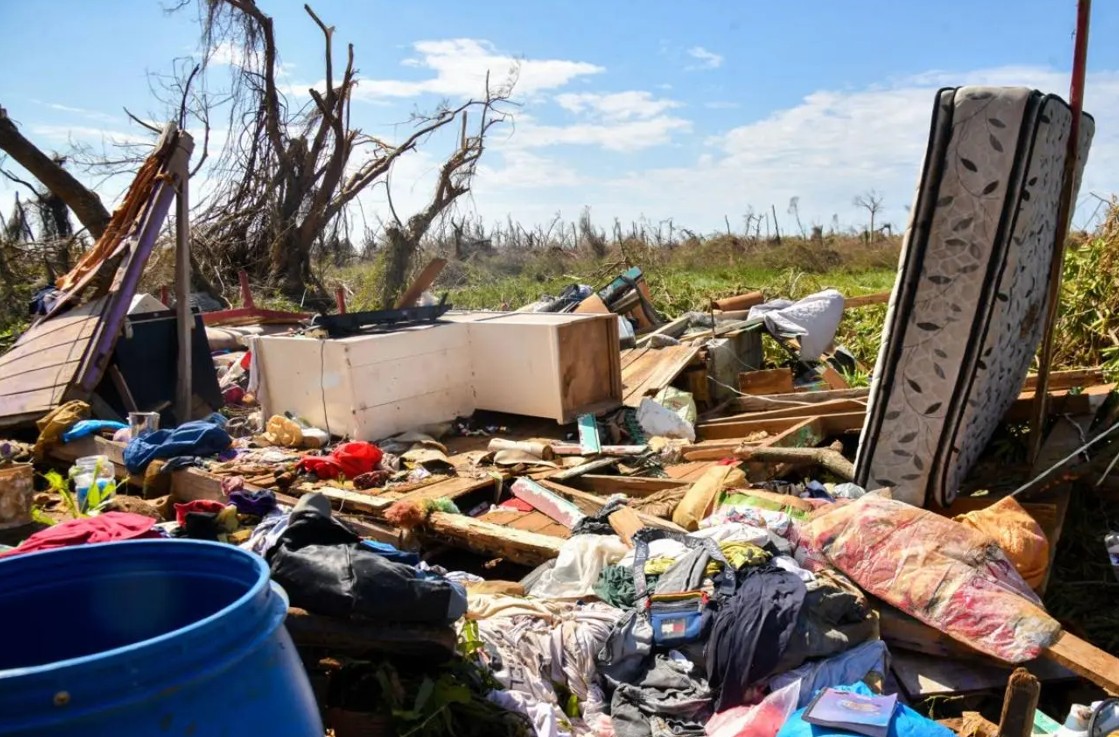
The bond replaces coverage that was fully paid out to Jamaica following Hurricane Melissa, which struck the island in October 2025.
“Having disaster risk financing in place is a key pillar of our resilience-building framework,” Finance Minister Fayval Williams said in a statement carried in the World Bank press release.
“The catastrophe bond is an important piece ensuring capital market access for Jamaica,” Williams added.
The bond was oversubscribed — meaning investor demand exceeded the amount on offer — which allowed Jamaica to upsize the transaction from its initial target of US$150 million to US$200 million.
The bond priced on May 18, with settlement scheduled for May 26, days before the Atlantic hurricane season opens on June 1.
The instrument uses a parametric trigger, meaning payouts are determined automatically by a storm’s central pressure and track through pre-defined geographic boxes covering Jamaica and the surrounding Caribbean Sea, rather than by a post-disaster damage assessment.
The World Bank said the parametric triggers on the 2024 bond were met by Hurricane Melissa, delivering rapid financial support after the storm.
The bond carries a risk margin of 6.75 per cent per annum and matures on May 23, 2030, providing four hurricane seasons of coverage.
It was issued under the World Bank’s Capital-at-Risk Notes Programme, under which the Government of Jamaica pays a premium for coverage based on terms achieved in capital markets.
The bond will be listed on the Singapore Exchange.
Investors were drawn predominantly from Europe (42 per cent) and North America (41 per cent), with Bermuda accounting for 16 per cent and Asia and Australia one per cent.
Specialist insurance-linked securities funds took 69 per cent of the deal, asset managers 25 per cent, and insurers and reinsurers six per cent. Aon Securities and Swiss Re Capital Markets acted as joint structuring agents and bookrunners, while Moody’s RMS served as risk modeller and calculation agent.
Moody’s upgraded Jamaica to Ba3 from B1 following Hurricane Melissa, while Standard & Poor’s and Fitch each affirmed BB ratings with stable outlooks.
Williams attributed the ratings outcomes, in part, to the disaster financing framework.
“Having these buffers against natural disasters is an important underpinning when international rating agencies assess Jamaica’s creditworthiness,” she said in her opening address to the 2026/27 Budget Debate.
The Planning Institute of Jamaica (PIOJ) placed total damage, losses and associated costs from Hurricane Melissa at US$12.23 billion, equivalent to 56.7 per cent of Jamaica’s 2024 GDP and more than four times the dollar-value toll of Hurricane Gilbert in 1988, according to PIOJ Director General Dr Wayne Henry.
The 2024 catastrophe bond payout formed part of a broader US$662-million liquidity package that also included US$91 million from the Caribbean Catastrophe Risk Insurance Facility, US$300 million from an Inter-American Development Bank contingent credit facility, US$37 million from the Government’s own disaster reserves, and a Catastrophe Deferred Drawdown Option — a pre-arranged World Bank credit line activated after disasters — drawn in full at US$84 million.
Everton McFarlane, executive director of the Insurance Association of Jamaica, previously said the bond provided fast liquidity support based on the storm’s intensity.
“While the amount would represent only a fraction of the total cost of direct and indirect economic damage and losses, the liquidity provided was crucial to provide resources for early recovery efforts and to cushion the short-term fiscal impact of the event,” he said.
carolyn.guniss@rjrgleaner.com
Follow The Gleaner on X, formerly Twitter, and Instagram @JamaicaGleaner and on Facebook @GleanerJamaica. Send us a message on WhatsApp at 1-876-499-0169 or email us at onlinefeedback@gleanerjm.com or editors@gleanerjm.com.