Lu Celania Sierra shares her pageant playbook
Loading article...
-
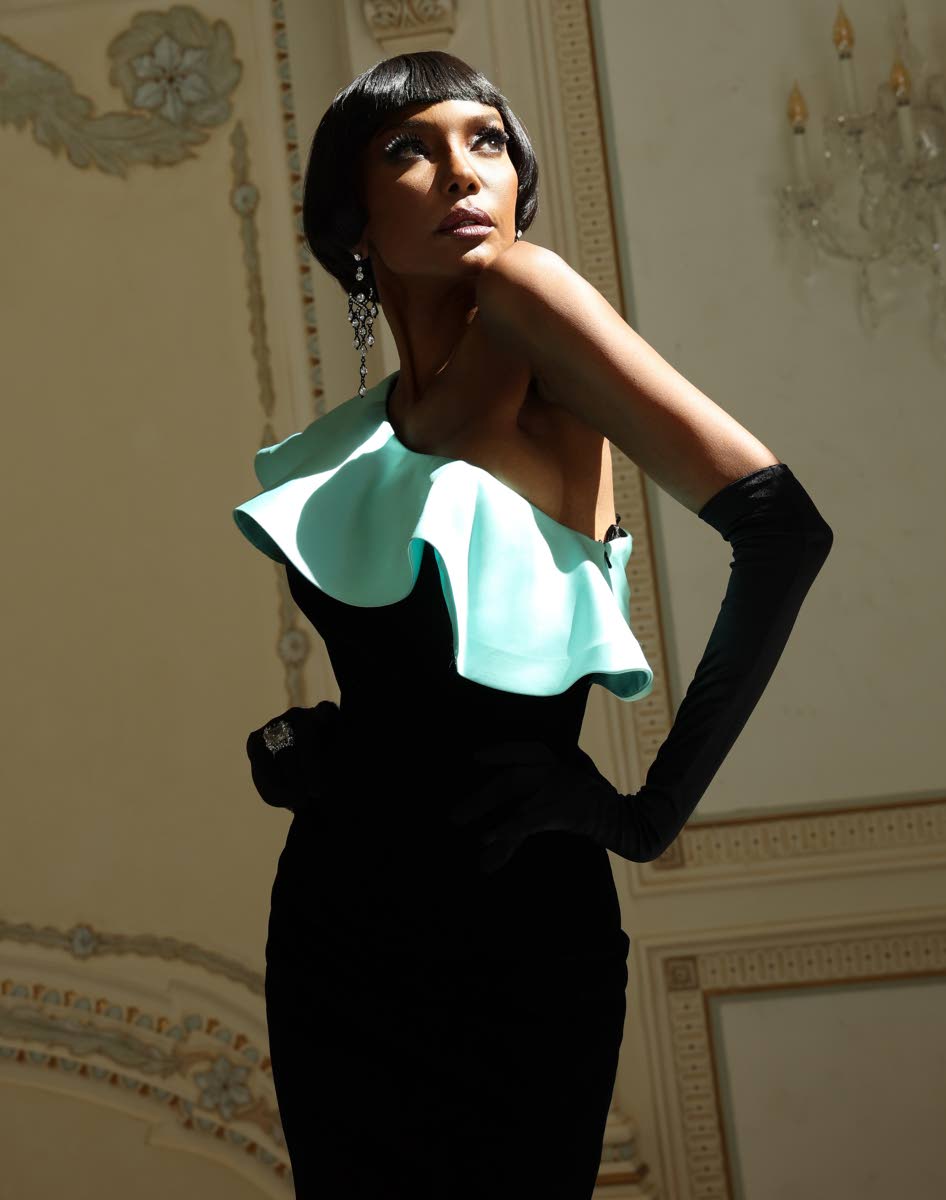 Lu Celania Sierra, internationally recognised model, runway expert and pageant coach. Photo - Fadil Berisha
-
Lu Celania Sierra, internationally recognised model, runway expert and pageant coach. Photo - Fadil Berisha
-
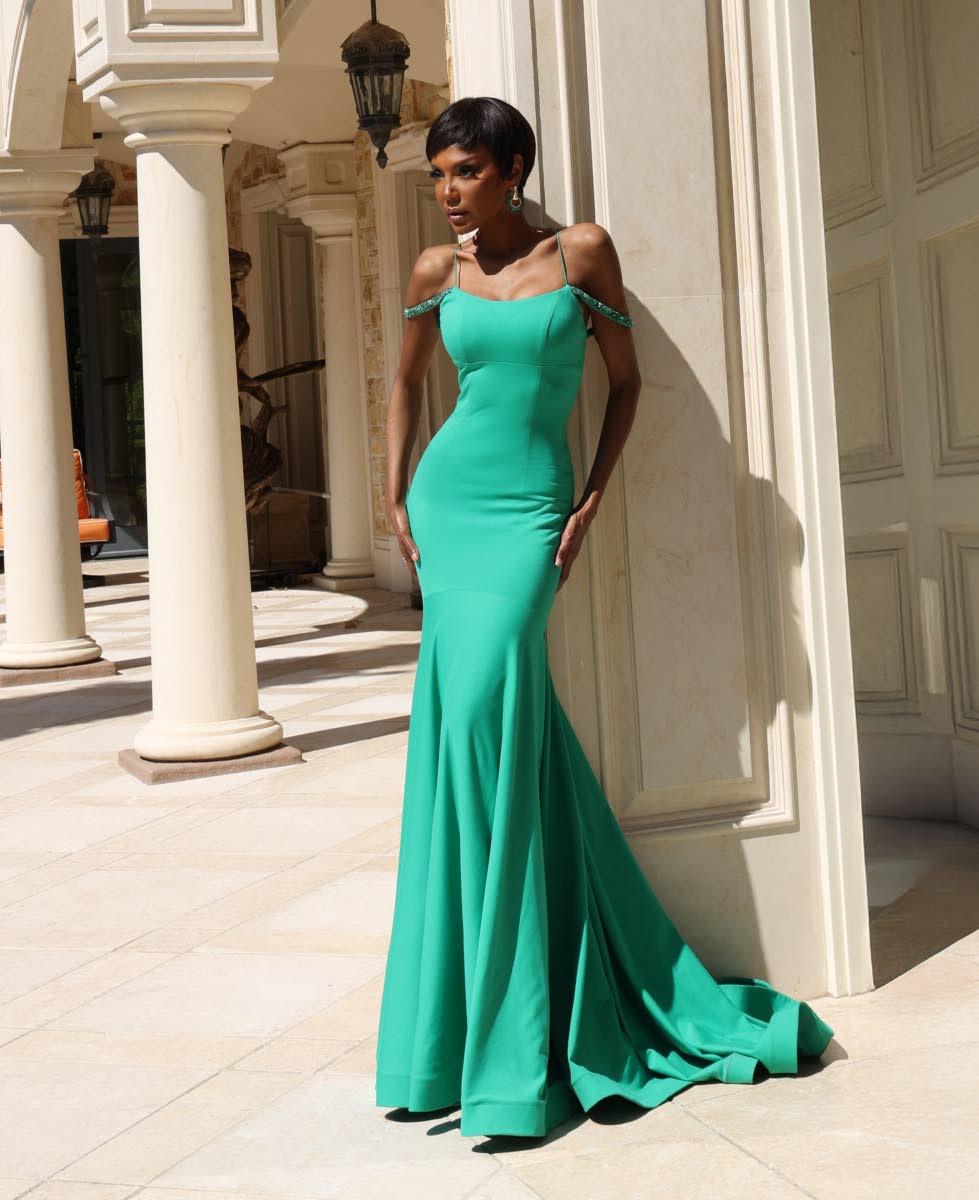 Sierra is known for her work training models and pageant contestants around the world. Photo - Fadil Berisha
-
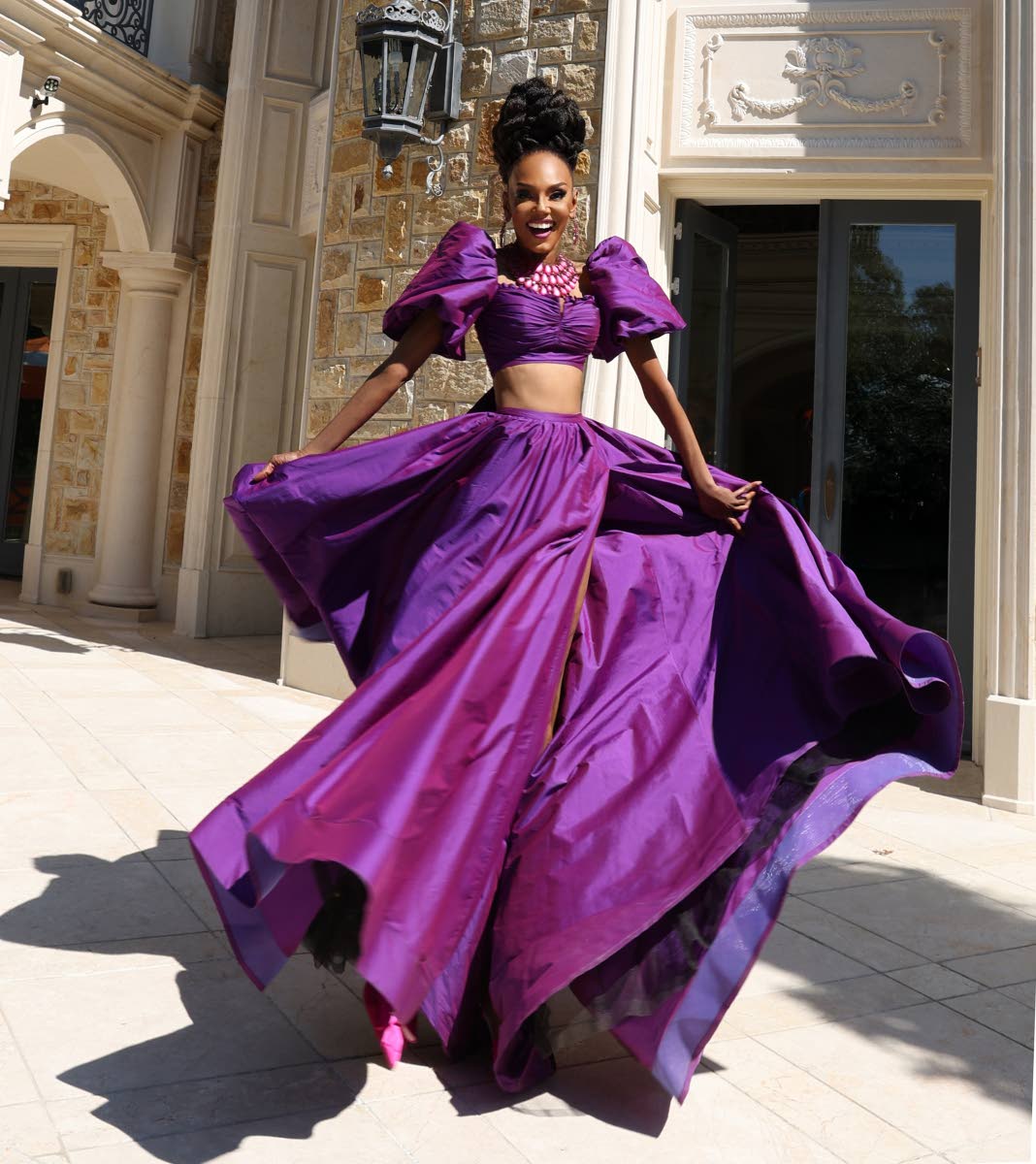 Sierra shared her expertise on pageantry and runway presentation. Photo - Fadil Berisha
When contestants stepped onto the Miss Universe Jamaica stage last weekend at the AC Hotel Kingston, where Miss Universe Jamaica Portland Celene Hall was crowned Miss Universe Jamaica 2026, audiences saw the gowns, glamour, smiles and seemingly effortless walks. What they did not see is the work that goes into making a contestant look like she belongs on an international stage. That is where Lu Celania Sierra, an internationally recognised model, runway expert, pageant coach and television personality, comes in.
Known throughout the fashion and pageant industries as ‘Runway Lu’, Sierra was in Jamaica for Beauty and Wellness Week and the staging of Miss Universe Jamaica 2026, bringing with her decades of experience working with some of the world’s most recognisable beauty queens, models and fashion designers. In a sit-down interview, she spoke about the differences between modelling and pageantry and shared insights on resilience, confidence, authenticity, preparation, stage presence and the mindset contestants need to succeed.
For Sierra, one of the biggest misconceptions in the industry is that modelling and pageantry are essentially the same thing. They are not. “Models sell products. Pageant ladies sell themselves,” she explained, drawing a clear distinction between the two disciplines. According to Sierra, modelling teaches an important lesson that applies equally to pageantry: rejection is part of the business. A successful model can be turned down repeatedly and still be expected to walk into the next casting with confidence and enthusiasm. That resilience, she said, is equally important for a pageant contestant who does not win on her first attempt. “You have to get up with the same enthusiasm every day,” she noted.
For Sierra, losing should never become an identity. A contestant who fails to win one year must return stronger, wiser and more prepared, rather than allowing disappointment to become bitterness. The goal, she said, is to take what is already working, identify what needs improvement and become “a better version of herself”. And that evolution begins with understanding the job.
Few things attract as much attention in pageantry as the walk, but Sierra believes contestants often misunderstand what makes a walk effective. The answer depends entirely on the environment. In high fashion, particularly during New York, Paris and Milan fashion weeks, the clothes are the star. “There is no incredible walk,” she said, explaining that designers often want models to move almost like a clothing hanger – walking straight, maintaining a controlled expression and allowing the clothing to command attention. Pageantry is the complete opposite. A pageant contestant is not simply presenting a garment. She is presenting herself. “She must wow the audience,” Sierra said, leaving judges with the feeling that they connected with her energy. That means understanding one’s body, owning the gown and feeling comfortable in the swimsuit segment.
Sierra is particularly passionate about authenticity when it comes to wardrobe selection. She rejects the idea that a contestant should simply be told that she can “win” in a particular dress if she does not actually feel confident wearing it. “If a girl does not love her gown, how can she possibly be the girl who loves her gown?” she questioned. For her, the solution is simple: understand the contestant. If she likes something flowy, find something flowy. If she feels powerful in a structured silhouette, work with that. The objective is to make the contestant feel like “a million dollars after taxes” when she walks onto the stage.
But when it comes to confidence in her body, Sierra believes the responsibility ultimately belongs to the woman herself. “You better love your body,” she stressed. At Miss Universe, beauty is not enough. Sierra has worked with enough contestants to know that international pageants are filled with extraordinarily beautiful women. The challenge is figuring out who can distinguish herself from the crowd. Her answer is presence. A contestant hoping to move from the preliminary rankings into the coveted Top 15 or Top 5 cannot behave like everyone else. Sierra wants contestants to be memorable before they ever reach the stage. That means thinking about what they wear each day, creating looks that generate interest, and ensuring that their personalities are visible.
She also stresses the importance of projection. When a contestant is asked a question, she should not whisper her response or speak so softly that people must ask what she said. “She stands up and projects,” Sierra explained. Preparation also extends beyond the rehearsal room. Sierra expects her contestants to know what is happening in the world. Instead of spending the morning distracted by their phones, she encourages them to watch international news and remain aware of current events that could potentially become interview questions. She also encourages contestants to make themselves visible to the media rather than waiting for someone to invite them into the spotlight. Those seemingly small decisions, she believes, can make the difference in a competition where dozens of women may possess comparable physical beauty.
Sierra’s coaching becomes particularly intense when contestants are preparing to compete. Her message is direct: “do not save your best for later”. She wants contestants to bring their “A-game” to every stage of the competition. Even when standing in line, they should be practising their stage presence. Sierra points out that dancers stretch, singers rehearse their voices, and actors run through their lines before performances. Pageant contestants, she argues, should be doing the same. Standing backstage and simply waiting is not preparation.
Her mental strategy is equally uncompromising. When contestants walk onto the stage, she wants one message dominating their thoughts: “I am your winner.” No negativity. No social media chatter. No second-guessing. No outside voices. The objective is to enter the competition convinced that the crown belongs to them – while understanding that confidence must ultimately be supported by preparation.
Perhaps nowhere is Sierra’s expertise more evident than in the interview portion of the competition. For the stage question, she trains contestants to accomplish three things:
- Acknowledge the person asking the question. If the host is asking, the contestant should initially address the host, because that is the natural and respectful response. But she should not spend the entire answer speaking only to the front of the stage. The judges need to see her eyes and feel her passion. And the audience matters too.
- Connect with the judges, then expand that connection to the wider audience. Sierra believes the stage-question segment is not simply about answering correctly. It is an opportunity to demonstrate whether a contestant can captivate an auditorium. Her approach is therefore deliberate.
- Calmly say “thank you” before leaving the stage and, importantly, maintain visual connection with the judges as she walks away.
For Sierra, even the final few steps matter. Despite the toughness of her training, Sierra’s passion for coaching is rooted in her belief in the women she works with. She loves working with contestants from different countries because each brings a different personality, culture and story. Yet, she sees a common thread among them. They are hungry. They want to win. They want to reach another level. They want to become better versions of themselves. She describes them as a “sponge”, women who are willing to absorb information, learn, and improve.
But there are also contestants who believe they already know everything. Sierra considers that attitude a major obstacle. In her view, the moment a contestant believes there is nothing left to learn, she begins eliminating herself from the competition. Her philosophy is simple: there is always something new to learn. The contestant may choose whether or not to use the advice, but she should always remain open to receiving it.
No stranger to Jamaica
Sierra is no stranger to Jamaica, but this visit has given her a different perspective on the island. Her previous visit was primarily a vacation. This time, she arrived as a professional, working alongside a local team. And the difference, she said, has been significant. The level of professionalism surrounding her current visit has impressed her, as has the warmth of the Jamaican people. She also approached the island differently this time – with greater knowledge of where to go, what to wear, and how a professional model should navigate the destination independently. And then there is the food. Sierra openly admits that food is part of the travel experience for her, and Jamaica has already begun making an impression. “I love food everywhere I go,” she said.
For someone whose professional life is surrounded by cameras, fashion, travel and high-profile events, Sierra’s idea of relaxation is surprisingly private. When she is not working, she likes to shut the world out. At home, blackout curtains are closed, a mud mask may be on, and gospel music or one of her favourite ministers may be playing in the background. She works out, disconnects, and tries to quiet a mind that is almost constantly occupied. As the owner of two companies who also manages social media, travel and professional commitments, she says excellence is something she continually strives for. Even packing for a trip is a process. She begins as much as three weeks before travelling, slowly preparing her wardrobe and rotating outfits across multiple closets to ensure she does not repeat a gown or outfit. For Sierra, however, the real luxury is not fashion. It is being able to turn her brain off.
Sierra’s credentials are formidable. She has coached contestants who went on to win major titles, including Olivia Culpo, who won Miss USA and Miss Universe in 2012. Thousands of women around the world have benefited from her training in pageantry, modelling, presentation and self-confidence. She is also a consultant to the Miss Universe Organization and helped introduce the wrap to the swimsuit segment, while her expertise has made her a sought-after international authority in runway presentation and pageant preparation. She has also been selected as one of the experts speaking to audiences at Miss World America.
Before becoming one of the industry’s most respected coaches, however, Sierra built her own reputation in front of the camera and on the world’s fashion runways. As a supermodel, she commanded runways for designers including Bill Blass, Escada, Byron Lars, Bob Mackie, B Michael, Cesar Galindo and Yves Saint Laurent. She also worked as a muse and fit model for legendary designers and fashion houses including Oscar de la Renta, Givenchy and Patrick Kelly.
lifestyle@gleanerjm.com